 Go Back


Bitcoin's Recent Dip: Exploring Global Macroeconomic Factors
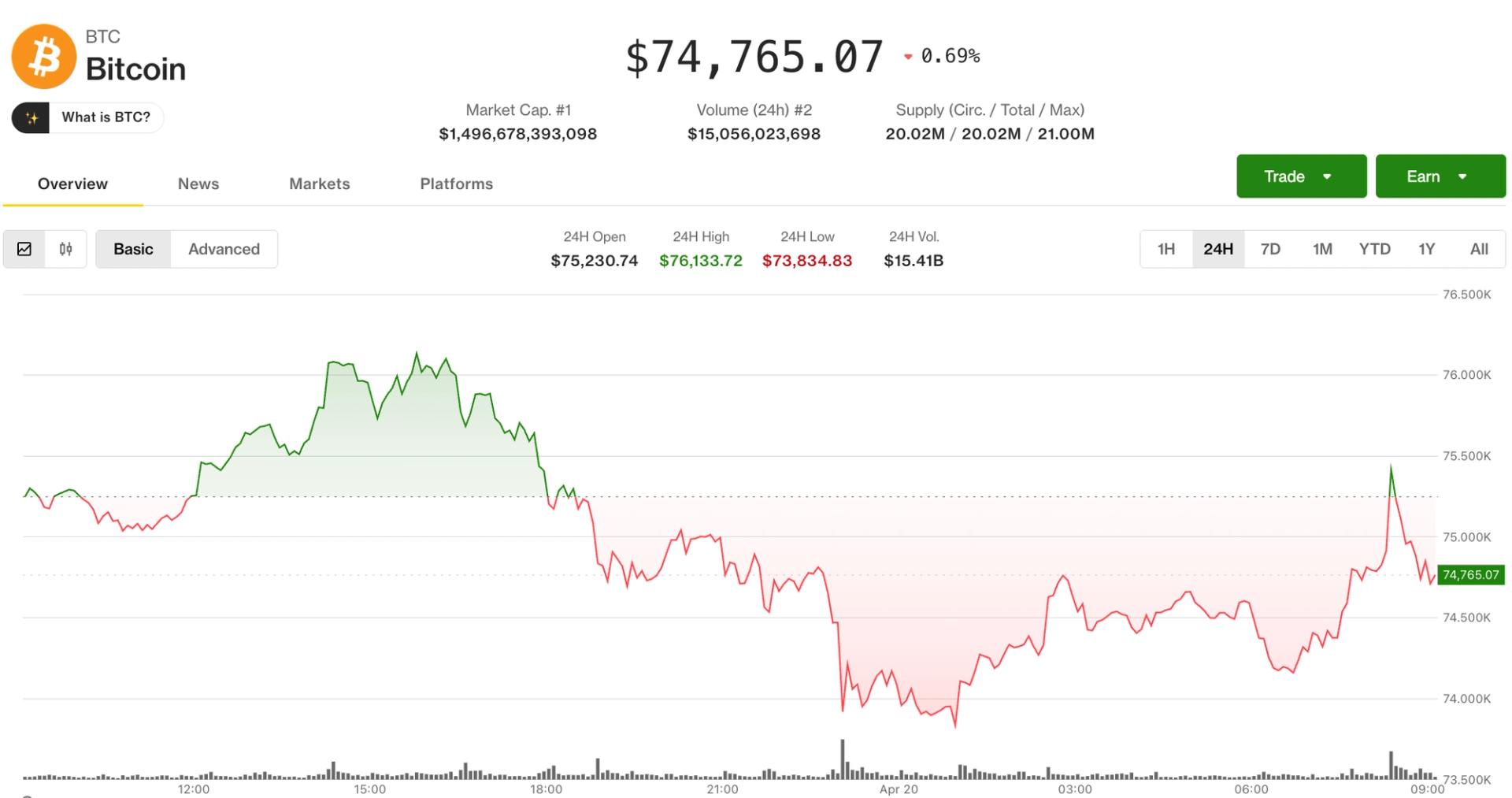
Bitcoin's price fluctuations are often a subject of intense scrutiny, especially when they coincide with significant macroeconomic events. Recently, Bitcoin experienced a notable pullback after a surge, prompting traders to analyze the implications of a CME futures gap, the fallout from a DeFi exploit, and broader economic pressures. This blog delves into the intricacies of these dynamics and their potential impact on the cryptocurrency landscape.
Quick Take
| Key Factors | Description |
|---|---|
| Price Movement | Bitcoin pulled back after a recent surge, signaling market volatility. |
| CME Futures Gap | Traders are closely monitoring the CME gap, indicating potential price targets. |
| DeFi Exploit Impact | Recent hacks in the DeFi sector have rattled altcoins, leading to a broader market reaction. |
| Global Economic Pressure | Macroeconomic factors are influencing investor sentiment in the crypto market. |
Market Context
Historically, Bitcoin has exhibited high volatility, often reacting sharply to changes in market sentiment and external economic factors. The cryptocurrency market is particularly sensitive to macroeconomic indicators like inflation rates, employment figures, and geopolitical tensions. With various economies around the world grappling with inflationary pressures and monetary policy shifts, investors are on high alert.
Recent events showcase how intertwined Bitcoin is with both the conventional financial markets and emerging decentralized finance (DeFi) sectors. For instance, while Bitcoin surged to recent highs, the subsequent drop highlights a typical retracement pattern, where traders take profits and shift their focus to underlying market conditions.
SWOT Analysis of Bitcoin's Market Position
Strengths
- Market Leadership: As the first cryptocurrency, Bitcoin retains a dominant market position, often leading the trend for other altcoins.
- Institutional Adoption: Increasing acceptance among institutional investors enhances its credibility and market stability.
Weaknesses
- Volatility: Bitcoin's price is notoriously volatile, making it a risky investment compared to traditional assets.
- Regulatory Scrutiny: Ongoing regulatory developments pose potential hurdles for widespread adoption and market stability.
Opportunities
- DeFi Integration: Growing interest in DeFi can provide new avenues for Bitcoin's utility and adoption as collateral.
- Global Economic Uncertainty: Economic instability may drive more investors towards Bitcoin as a hedge against traditional market risks.
Threats
- Market Manipulation: The relatively smaller market capitalization compared to traditional assets makes Bitcoin susceptible to manipulation.
- Technological Risks: Vulnerabilities in the blockchain or related technologies (e.g., smart contracts) can lead to market disruptions.
Impact on Investors
As Bitcoin faces pressures from both macroeconomic factors and specific market events like DeFi hacks, investors should adopt a cautious yet strategic approach. The decline from recent highs reinforces the importance of closely monitoring market conditions and understanding the underlying causes of volatility.
- Diversification: Investors may consider diversifying their portfolios to mitigate risks associated with Bitcoin's volatility.
- Long-term Perspective: Given the cyclical nature of the cryptocurrency market, maintaining a long-term investment perspective could yield better returns.
- Stay Informed: Keeping abreast of macroeconomic indicators and industry news is crucial for making informed investment decisions.
Conclusion
The dynamics of Bitcoin's recent price movements illustrate the intricate relationship between the cryptocurrency market and global macroeconomic factors. Understanding these influences helps investors navigate the complexities of the market and make more informed decisions. As Bitcoin continues to evolve, being aware of the larger economic landscape will remain vital for all participants in the cryptocurrency sphere.
Through a combination of strategic insights, historical context, and awareness of emerging trends, investors can position themselves effectively to respond to the challenges and opportunities presented by the ever-changing market landscape.