 Go Back


Bitcoin's Unique Resilience Amid Fed Signals and Oil Price Surge
Quick Take
| Metric | Bitcoin | Gold | Silver |
|---|---|---|---|
| Recent Price Change | -2% | -3.5% | -4% |
| Market Sentiment | Risk-Off | Risk-Off | Risk-Off |
| Hawking Signals from Fed | Present | Present | Present |
Introduction
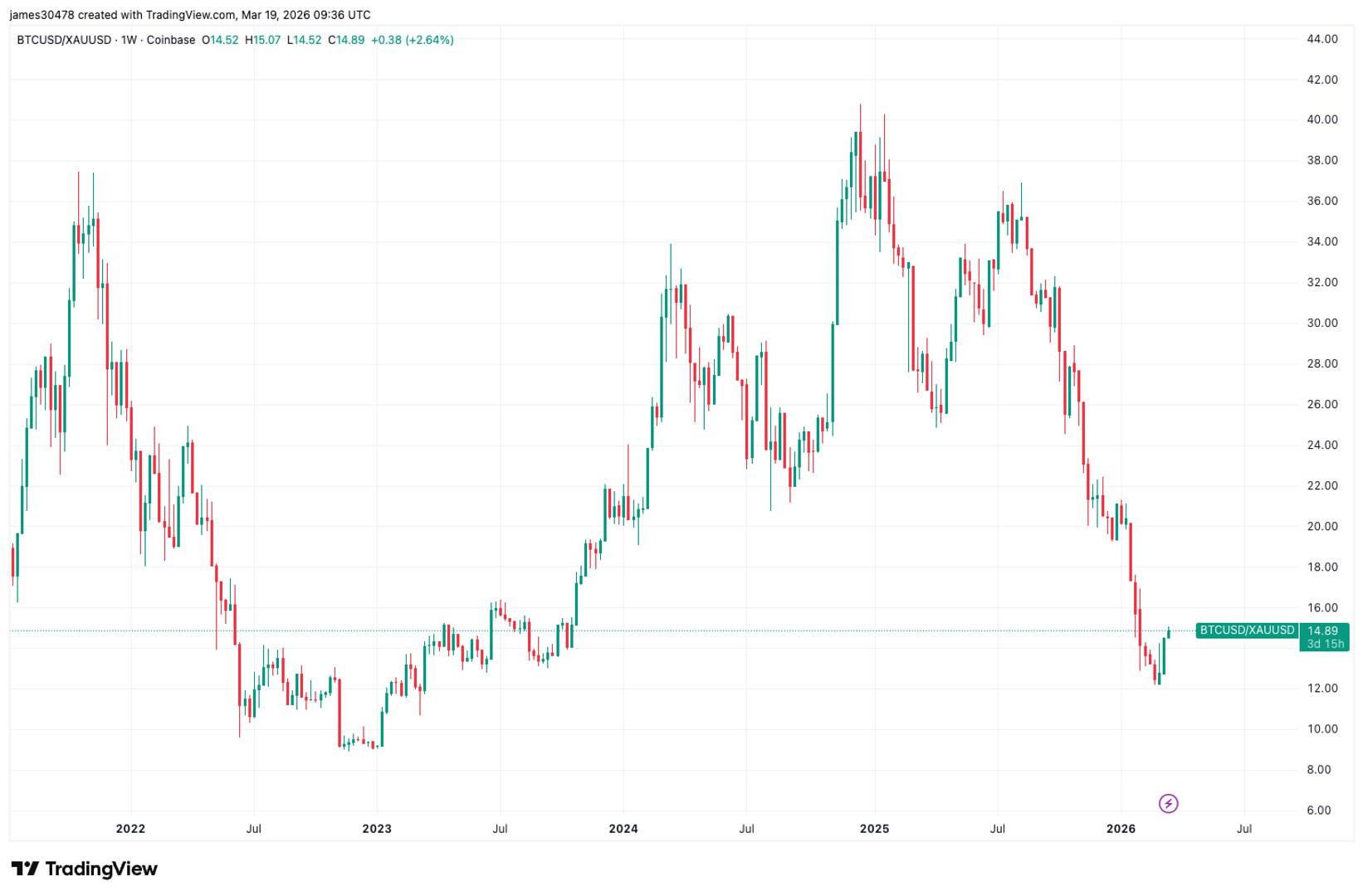
The current economic landscape shows a fascinating divergence in asset performance, particularly between Bitcoin and traditional safe-havens like gold and silver. Despite Bitcoin experiencing a slight drop of 2%, it has surprisingly outperformed gold and silver, which faced sharper declines of 3.5% and 4%, respectively. This behavior is noteworthy, especially against the backdrop of a hawkish Federal Reserve stance and rising oil prices, which typically contribute to a risk-off sentiment among investors. This blog post will delve into the macroeconomic context, perform a SWOT analysis, and explore the implications for investors moving forward.
Market Context
The backdrop of the recent market movements is shaped by the Federal Reserve's monetary policy signals. A hawkish Fed often implies a tightening of monetary policy, which can lead to increased interest rates. Typically, higher interest rates are detrimental to non-yielding assets like gold and Bitcoin, as they become less appealing compared to interest-bearing securities.
Additionally, surging oil prices can lead to inflationary pressures, prompting investors to seek safety in more traditional assets. However, the current situation indicates a shift in investor behavior, as evidenced by Bitcoin's relative strength compared to its traditional counterparts.
Factors Influencing Bitcoin's Performance
- Institutional Adoption: Increased institutional investment in Bitcoin has brought legitimacy and a degree of stability to the cryptocurrency, which may contribute to its relative outperformance.
- Market Sentiment: A growing belief in Bitcoin as 'digital gold' could be influencing investor preferences, especially in risk-off scenarios.
- Liquidity Factors: The liquidity provided by exchanges and growing derivatives markets could be supporting Bitcoin's pricing even amid overall market volatility.
SWOT Analysis
Strengths
- Decentralization: Bitcoin's decentralized nature allows it to operate independently of traditional financial systems, offering a hedge against systemic risks.
- Scarcity: With a capped supply of 21 million coins, Bitcoin’s scarcity could drive demand during inflationary periods.
- Growing Acceptance: Increasing acceptance among retailers and institutions adds to its utility and potential value.
Weaknesses
- Volatility: Bitcoin's price remains highly volatile, which can deter risk-averse investors.
- Regulatory Uncertainty: Ongoing regulatory scrutiny may pose risks to Bitcoin’s long-term adoption and integration into traditional finance.
- Perception as a Speculative Asset: Many investors still view Bitcoin primarily as a speculative investment rather than a store of value.
Opportunities
- Emerging Markets: As more individuals in emerging markets gain access to cryptocurrencies, demand for Bitcoin could surge.
- Technological Advancements: Innovations in blockchain technology and cryptocurrency services can enhance Bitcoin's use case and appeal.
- Economic Instability: Ongoing economic uncertainties can drive more individuals to seek alternatives to traditional currencies and fiat systems.
Threats
- Regulatory Changes: Unanticipated regulatory actions can significantly impact Bitcoin’s price and adoption rates.
- Market Manipulation: The potential for market manipulation remains a concern, particularly in the relatively young cryptocurrency market.
- Competition from Altcoins: The increasing proliferation of altcoins and their unique value propositions could divert interest away from Bitcoin.
Impact on Investors
For investors, the current dynamics present both challenges and opportunities. Bitcoin’s performance relative to gold and silver indicates a growing acceptance of digital assets, but it also highlights the necessity for a nuanced understanding of the cryptocurrency landscape. Investors should consider the following:
- Diversification: Maintaining a diversified portfolio that includes both traditional and digital assets may help mitigate risks associated with volatility.
- Long-Term Perspective: While short-term price fluctuations are common, a long-term view can be beneficial given Bitcoin's historical performance trajectory.
- Stay Informed: Keeping abreast of macroeconomic indicators and regulatory developments is crucial for making informed investment decisions.
Conclusion
In light of the current market conditions, Bitcoin's ability to outperform gold and silver amidst hawkish Fed signals and rising oil prices underscores its evolving role in the investment landscape. As the macroeconomic environment continues to shift, Bitcoin's resilience could be a signal of its maturity as an asset class. Investors should remain vigilant and proactive in navigating this complex and rapidly changing landscape.
Tags
- Bitcoin
- Gold
- Fed
- Oil Prices
- Investment Strategies