 Go Back


Bitcoin Retreats from $80K: Oil Prices Fuel Market Selloff
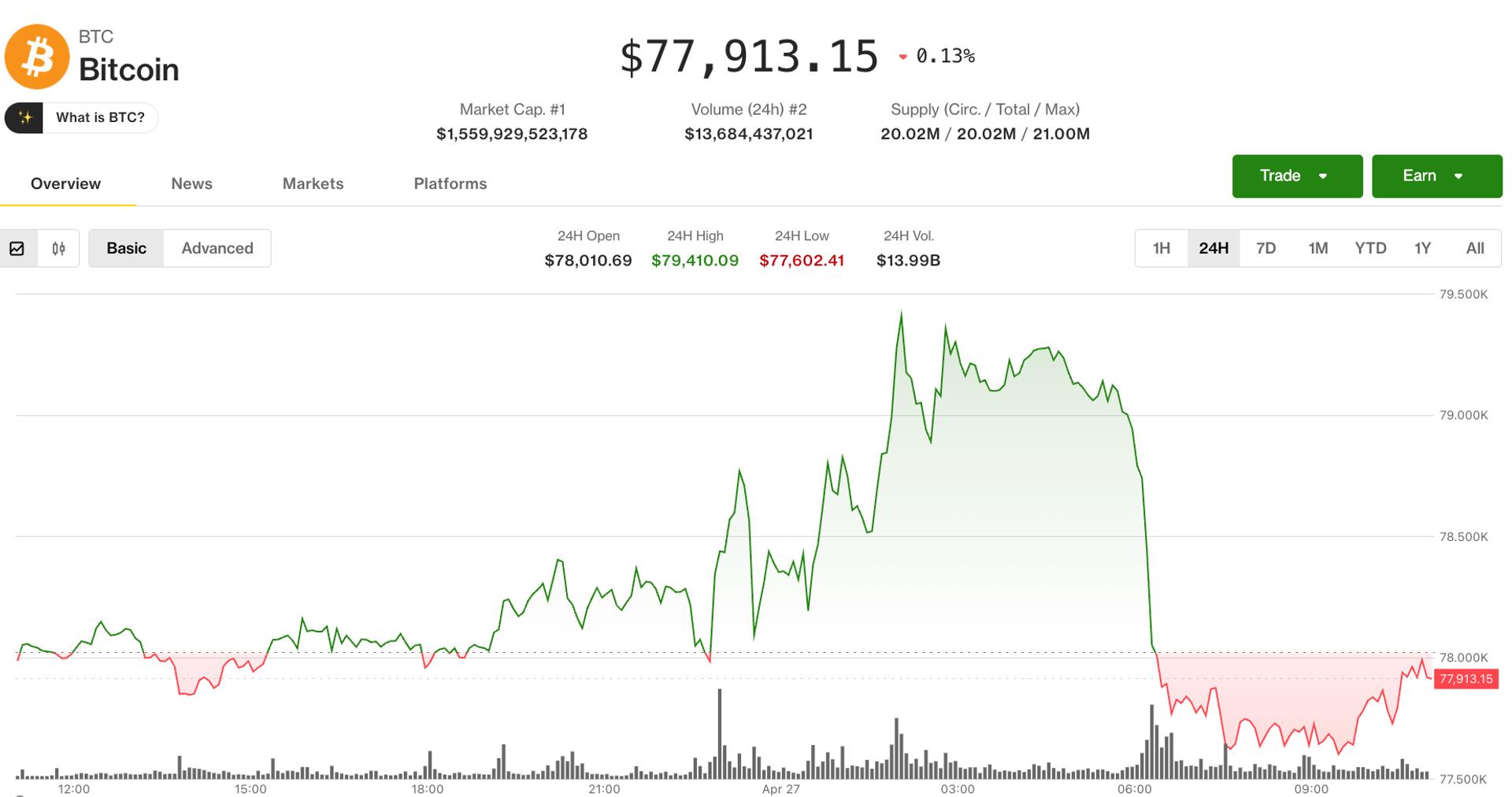
Bitcoin recently hit a peak of $79,500 before losing momentum and dropping around 2%. This retreat has drawn significant attention, particularly in light of rising oil prices that are influencing market sentiment.
Quick Take
| Event | Details |
|---|---|
| Bitcoin Peak | $79,500 |
| Recent Drop | 2% decrease |
| Market Reaction | Broader crypto selloff |
| Influencing Factor | Surge in oil prices |
| Market Sentiment | Negative due to inflation concerns |
What Happened with Bitcoin?
Bitcoin, the leading cryptocurrency, experienced a notable spike as it approached the $80,000 mark. However, it quickly reversed course, leading to a selloff that has drawn both criticism and concern among investors. The primary catalyst behind this downward trend appears to be rising oil prices, which many analysts believe are triggering inflationary fears across various markets, including cryptocurrencies.
Market Context
Historically, Bitcoin has shown a degree of correlation with macroeconomic variables, particularly commodities like oil. As oil prices increase, this often translates to higher transportation and production costs. Consequently, inflationary pressures rise, impacting consumer spending and overall economic health. This current scenario reflects such a pattern, as rising oil prices are creating a ripple effect through financial markets.
How Oil Prices Influence Bitcoin
- Inflationary Pressures: Rising oil costs usually prompt concerns over inflation, which can lead to decreased consumer confidence and spending. This sentiment frequently spills over into the crypto market, causing investors to sell off assets perceived as less stable.
- Investment Shifts: When oil prices rise, traditional investors may reassess their portfolios, favoring assets like commodities and gold as a hedge against inflation. This shift can lead to decreased demand for cryptocurrencies.
- Market Sentiment: The overall sentiment in financial markets often influences investor decisions in the crypto world. As oil prices surge and economic uncertainty looms, fear can drive sell-off behavior, disproportionately affecting altcoins even more than Bitcoin.
Impact on Investors
For investors, Bitcoin’s recent pullback is a reminder of the cryptocurrency's inherent volatility. The fact that Bitcoin managed to approach $80,000 only to experience a sharp downturn emphasizes the unpredictable nature of this asset class. Here's what investors should consider moving forward:
- Risk Management: As the market experiences fluctuations due to external factors like oil prices, investors should evaluate their risk tolerance and consider diversifying their portfolios.
- Long-term Perspective: While short-term price movements can provoke panic, it's essential to maintain a long-term view on Bitcoin and other cryptocurrencies as part of a diversified investment strategy.
- Stay Informed: Understanding macroeconomic trends and their potential impacts on cryptocurrencies will be crucial for making informed investment decisions.
Future Predictions
Looking ahead, the relationship between oil prices and Bitcoin could continue to shape market dynamics. If oil prices stabilize, there may be an opportunity for Bitcoin to regain its footing and climb towards new all-time highs. Alternatively, if inflation continues to rise, leading to further economic uncertainty, we may witness even greater volatility in the crypto markets.
Final Thoughts
Bitcoin’s recent retreat from $80,000 serves as a pertinent reminder of the interconnectedness of global markets, especially between traditional commodities and cryptocurrencies. Investors must remain vigilant and adaptive to the changing landscape, leveraging insights from economic indicators like oil prices to inform their strategies. The path ahead may be tumultuous, but with careful consideration, opportunities will still abound in the evolving world of crypto investments.