 Go Back


Bitcoin Climbs Amid Risk Sentiment Shift: What It Means for Altcoins
In the ever-dynamic landscape of cryptocurrency, recent developments have seen Bitcoin gaining momentum while altcoins face significant hurdles. As Bitcoin advanced, the backdrop of Middle East geopolitical tensions and a recent exploit in the DeFi space have triggered a notable shift in market sentiment. This blog post delves into the implications of these occurrences for Bitcoin and the broader altcoin market.
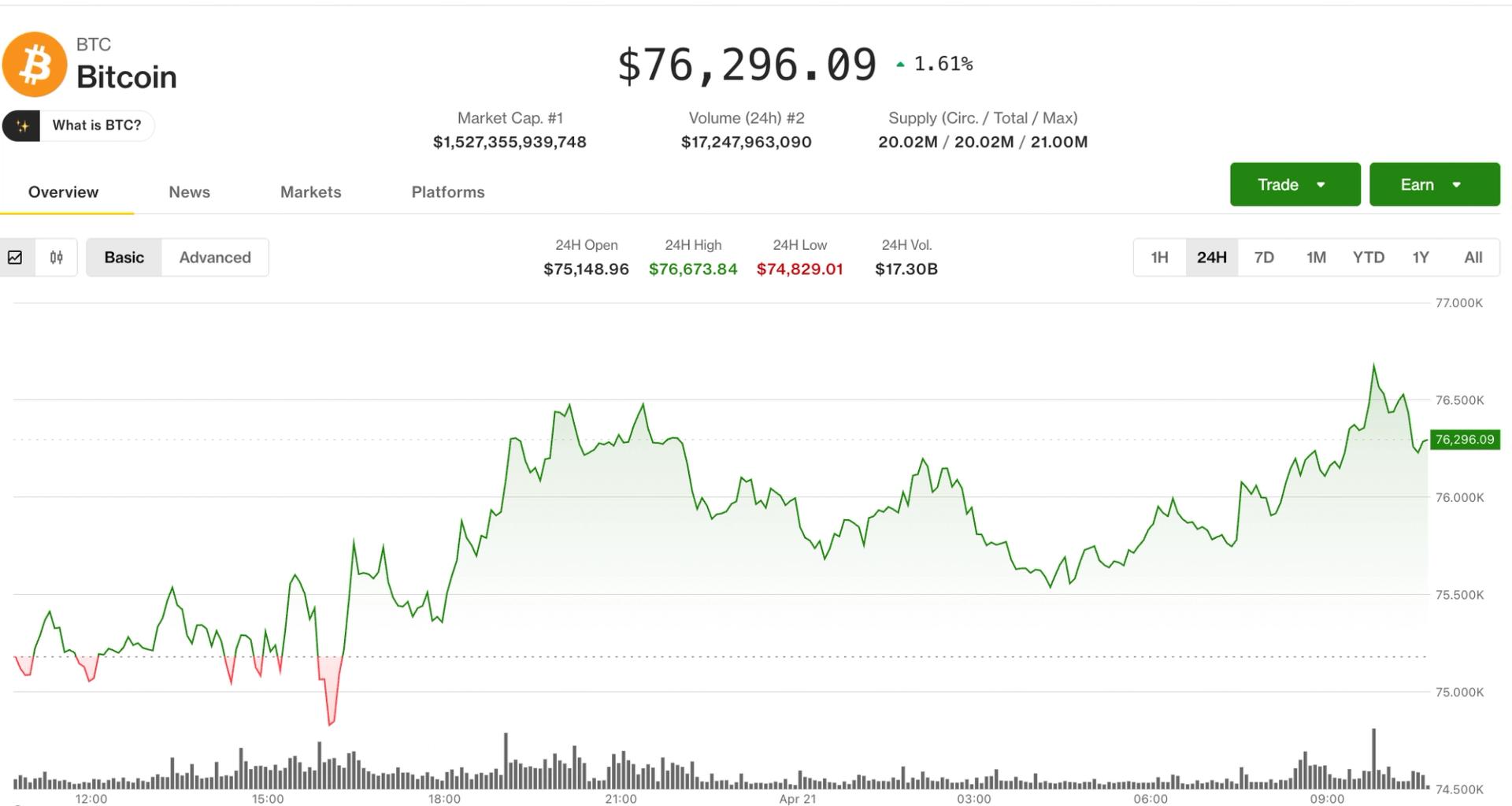
Quick Take
| Aspect | Bitcoin | Altcoins |
|---|---|---|
| Current Market Trend | Climbing | Struggling |
| Key Factors | Improved risk sentiment | DeFi exploit concerns |
| Geopolitical Impacts | Moderate | High |
| Investor Sentiment | Optimistic | Cautious |
The Good
Bitcoin has shown resilience in the face of shifting global circumstances. Its recent climb can be attributed to improving risk sentiment among investors who are seeking safe-haven assets. Historically, Bitcoin has been perceived as a store of value, especially during uncertain times. The ability of Bitcoin to attract investors during geopolitical strife is a testament to its growing role in the financial ecosystem.
The current environment has witnessed a migration of investor sentiment from altcoins to Bitcoin as they assess risk versus reward. This trend has been observed since Bitcoin's inception, where it often serves as a bellwether for the entire cryptocurrency market. The stability of Bitcoin relative to altcoins often leads to a flight to safety, particularly during turbulent market conditions.
The Bad
On the flip side, altcoins are grappling with significant challenges, particularly in the wake of the recent DeFi exploit. The incident has raised critical concerns over the security of decentralized finance platforms, leading to increased fear and uncertainty among investors. Many altcoins, which rely heavily on the DeFi ecosystem, have seen their valuations drop as investor confidence wanes.
Furthermore, the volatility inherent in the altcoin market is exacerbated by external factors, including geopolitical tensions in the Middle East. As investors prioritize safety, altcoins, which are often perceived as high-risk, may continue to face headwinds. The exploit has not only affected immediate investor sentiment but could also lead to a reevaluation of the broader economic implications for decentralized finance.
The Ugly
The compounding factors of geopolitical instability and recent exploits present a troubling picture for the altcoin market. For many investors, the necessity of rethinking their portfolios and investment strategies is more urgent than ever. The potential for regulatory scrutiny of DeFi protocols could further dampen the attractiveness of altcoins, leading to a prolonged period of underperformance compared to Bitcoin.
Moreover, the repercussions of the DeFi exploit can have lasting effects on market sentiment. If security vulnerabilities continue to plague altcoins, we may witness a significant shift in investment strategies, with a growing preference for Bitcoin and other more established cryptocurrencies.
Market Context
The context surrounding Bitcoin’s rise can be traced back to its role as a digital gold. As inflationary pressures persist and traditional markets react to geopolitical tensions, Bitcoin’s unique value proposition shines brighter. Investors are increasingly viewing Bitcoin not just as a speculative asset but as a hedge against inflation and currency devaluation.
Historically, Bitcoin has outperformed during crises, often leading to a correlation between geopolitical instability and Bitcoin price movements. The current geopolitical landscape, marked by uncertainties in the Middle East, has only intensified this correlation. As traditional asset classes experience volatility, Bitcoin's allure as a digital safe haven is likely to enhance its appeal.
Impact on Investors
For investors, the current market dynamics present both challenges and opportunities. For Bitcoin holders, this upward trend can be a signal to consolidate positions or even introduce new investments as the market shows signs of recovery. The growing institutional interest in Bitcoin is another positive indicator, suggesting long-term bullish sentiment.
Conversely, altcoin investors face a period of increased caution. The exploit in the DeFi space serves as a stark reminder of the risks associated with less established projects. Investors may need to diversify their portfolios, focusing on more robust projects with proven security protocols or pivoting towards Bitcoin as a more stable alternative.
Conclusion
As the landscape continues to evolve, Bitcoin's climbing trajectory against a backdrop of rising risk sentiment presents a complex picture for the cryptocurrency market. While Bitcoin benefits from its status as a safe haven, altcoins struggle under the weight of exploit concerns and geopolitical tensions. Investors must navigate this landscape carefully, weighing the risks and opportunities that lie ahead. Understanding these dynamics is crucial in developing sound investment strategies in this volatile market environment.