 Go Back


Bitcoin Slips: How Trump's Iran Comments Affect Crypto Markets
The crypto world just isn't taking a break, fam! Bitcoin took a hit as former President Donald Trump declared the Iranian ceasefire to be 'over', stirring up geopolitical tensions that ripple through the financial markets. Let's break down what this means for Bitcoin and the broader crypto landscape.
Quick Take
| Aspect | Details |
|---|---|
| Current BTC Price | $X,XXX (as of the latest update) |
| Market Trend | Downtrend due to geopolitical tensions |
| Impact of News | Increased volatility expected |
| Investor Sentiment | Cautious, looking for stability |
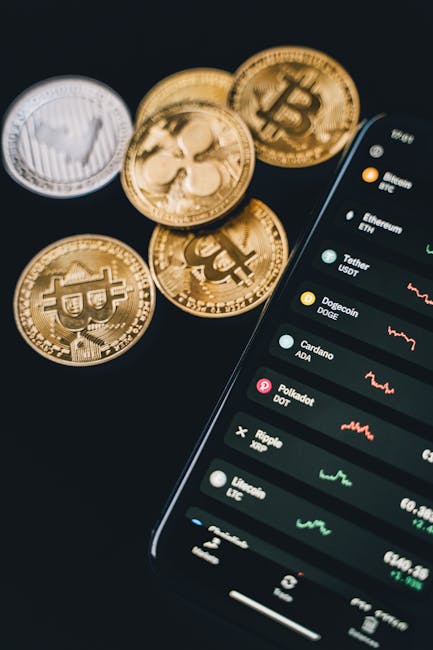
The Good, The Bad, and The Ugly
The Good
Bitcoin has long been viewed as a hedge against traditional market volatility. When uncertainty strikes, many investors flock to crypto as a safer alternative. The sheer resilience of Bitcoin over the years shows its ability to bounce back from adverse news.
Moreover, in chaotic times, crypto enthusiasts often turn to decentralized assets that are less tied to conventional finance. This can create bullish sentiments in the long run, as new investors might see Bitcoin as a viable store of value.
The Bad
However, this time, it’s different. Bitcoin’s price takes a direct hit following Trump's announcement, showcasing how sensitive the crypto market is to external factors. A slip in Bitcoin often creates a domino effect, leading to panic selling among investors who fear further declines. This could potentially lead to a broader loss of confidence in cryptocurrencies, particularly Bitcoin, as a whole.
The current sentiment hints at a cautious approach from many investors, leading to a potential decrease in trading volumes. Moreover, as geopolitical tensions rise, investors may start to allocate their assets elsewhere, further driving down Bitcoin’s value.
The Ugly
Let’s keep it real—geopolitical tensions can lead to a major market downturn. If things escalate between the U.S. and Iran, or if sanctions lead to broader economic instability, the crypto market could see increased volatility and fear-induced sell-offs. This not only affects Bitcoin but ripples through to altcoins and other investments in the blockchain space. The fear of regulatory backlash and a market crash can lead to a vicious cycle of losses.
Market Context
The crypto market isn’t just reacting to internal developments. External factors like political statements and global economic conditions play a huge role in shaping its trends. As we’ve seen historically, events that impact oil prices or cause political unrest tend to create ripple effects in the crypto markets. The relationship is complex but critical.
With rising tensions in regions like the Middle East, geopolitical uncertainty often translates to increased demand for alternative assets, including Bitcoin. However, the current scenario suggests that the crypto market is more reactive than ever, responding to news cycles that can shift investor sentiment rapidly.
Impact on Investors
Investors should be prepared for a bumpy ride. The immediate impact of Trump's comments has been a decrease in Bitcoin's price, but what does this mean for long-term holders versus day traders?
For long-term HODLers, these market dip scenarios can present unique buying opportunities. Purchasing during downturns may yield significant returns in the future, especially as Bitcoin's historical trend shows recovery. However, day traders and shorter-term investors need to brace for volatility and manage risk carefully.
Strategies Moving Forward
- Stay Informed: Keeping an eye on geopolitical news is crucial. Understanding the bigger picture can help in predicting potential market movements.
- Diversification: Consider spreading your investments across various cryptocurrencies to mitigate risks. If Bitcoin dips, other altcoins might not be as heavily affected.
- Use Stop-Loss Orders: For those trading Bitcoin, employing stop-loss orders can prevent significant losses if the market continues to slide.
- Long-Term Vision: If you believe in Bitcoin's long-term value, consider holding steady during these turbulent times.
Final Thoughts
As we witness Bitcoin's price fluctuations, it's evident that external factors like geopolitical news can weigh heavily on market movements. While Trump's declaration has caused a dip, it’s essential to look at the broader trends and make informed decisions. The crypto market is often as unpredictable as the world stage, but for those willing to navigate through, opportunities abound.
Stay safe out there, crypto fam! 🚀