 Go Back


Bitcoin Strategy Shakeup: 32 BTC Sold for First Time Since 2022
In a significant development within the cryptocurrency landscape, a notable strategy has emerged as a trader or institution has sold 32 Bitcoin (BTC) for the first time since 2022. This action raises questions about the current market dynamics and potential implications for future Bitcoin prices.
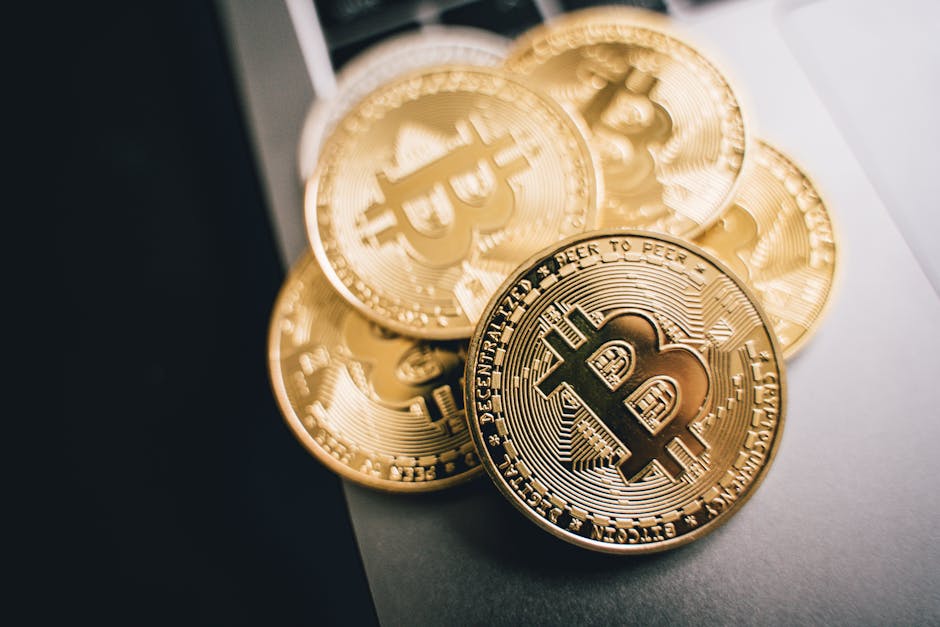
Quick Take
| Aspect | Details |
|---|---|
| BTC Sold | 32 Bitcoin |
| Last Sale | 2022 |
| Market Reaction | Anticipated volatility in BTC prices |
| Potential Implications | Change in investor sentiment, market trends |
What Does This Sale Mean for Bitcoin?
The sale of 32 Bitcoin marks a pivotal moment, especially considering it is the first such action since 2022. It suggests a possible shift in strategy for key players within the Bitcoin ecosystem. Understanding the motivations behind this sale is crucial for investors and market participants alike.
Market Context
Bitcoin has experienced significant fluctuations in recent years, particularly in response to macroeconomic factors and regulatory changes. After reaching an all-time high in late 2021, Bitcoin's value faced a decline, only to stabilize and experience sporadic growth through 2023. As the global economy continues to grapple with inflation concerns, potential recession fears, and evolving monetary policies, such moves by large holders can send ripples across the market.
Historical Perspective
Historically, strategic sell-offs by major investors or institutions have been pivotal in shaping Bitcoin’s price trajectory. For example, when large holders sell off portions of their holdings, it can lead to a downward pressure on prices, sparking fear among retail investors. Conversely, buying activity after significant sell-offs has often led to price recoveries. This cyclical behavior highlights the need for close monitoring of strategic decisions made by Bitcoin holders.
Impact on Investors
For individual investors, the sale of 32 Bitcoin may reflect deeper sentiments within the market. Here's how this might influence different types of investors:
- Long-term Holders: Those who invest with the intention of holding (HODLers) may interpret this sale as a signal to evaluate their own positions. If large holders are selling, it could indicate a lack of confidence in short-term price stability.
- Traders: Active traders may see this as an opportunity to capitalize on potential price movements. A sell-off could trigger volatility that traders can exploit for short-term gains.
- New Entrants: For those new to Bitcoin investment, such moves can either deter engagement due to perceived risk or attract interest based on the potential for profit.
Looking Ahead: Future Predictions
Given the current market dynamics, it is essential to consider the broader implications of this sale. Will this be a one-off event, or could it signal a new trend among major Bitcoin holders?
Increasing Volatility
As institutions and large holders adapt their strategies in response to macroeconomic conditions, we can expect increased volatility in Bitcoin prices. This could lead to rapid price swings, further complicating the investment landscape.
Influence of Macroeconomic Factors
Changes in interest rates, inflation, and central bank policies will inevitably affect investor sentiment. If macroeconomic indicators remain uncertain, we might witness more strategic sell-offs as investors seek to mitigate risks.
Conclusion
The sale of 32 Bitcoin for the first time since 2022 is more than just a transaction; it is a reflection of market sentiment and a potential harbinger of future trends in cryptocurrency investing. Investors must remain vigilant, analyzing ongoing market developments while considering the broader economic context. As Bitcoin continues to evolve, the actions of both large and small holders will shape the narrative of this leading cryptocurrency.
This recent development serves as a reminder of the critical interplay between trader strategies, market conditions, and the ever-changing landscape of Bitcoin investing.