 Go Back


Quick Take
| Aspect | Detail |
|---|---|
| Current Bitcoin Price | $62,000 |
| Main Influencer | US-Iran conflict |
| Market Sentiment | Bearish |
| Investor Strategy | Cautious |
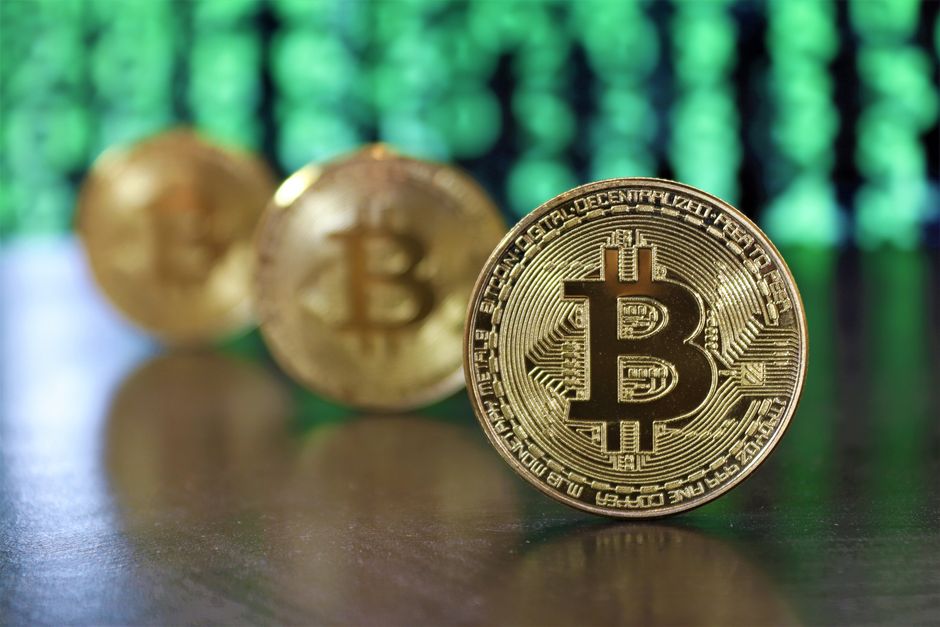
Bitcoin's price hovering around $62,000 captures the attention of traders and investors alike, particularly as heightened geopolitical tensions, specifically the US-Iran conflict, loom large over global financial markets. Although Bitcoin often serves as a 'safe haven' asset amid economic uncertainty, the current climate is raising questions about its resilience against traditional market forces.
Market Context
The cryptocurrency market has been characterized by its volatility, but the interaction between geopolitical events and crypto prices adds another layer of complexity. Bitcoin, which has gained significant traction as an alternative asset class, often reflects broader market sentiments influenced by world affairs. The ongoing tensions between the US and Iran are not just political; they have real economic ramifications, including a potential spike in oil prices, shifts in trade agreements, and changes in investor confidence.
Historically, Bitcoin has reacted differently to various types of crises. During financial meltdowns, it has occasionally rallied, perceived as a 'digital gold.' However, during geopolitical crises, its behavior can be erratic; it may react negatively as traders seek liquidity in more traditional assets. As the US-Iran conflict escalates once again, it's crucial to analyze how this situation might unfold in the coming weeks and months.
Impact on Investors
Short-Term Outlook
The immediate effects of the US-Iran conflict are causing anxiety among investors. The market appears to be leaning towards a bearish sentiment as uncertainty grows. This could lead to:
- Increased market volatility, which may deter new investments.
- Risk-averse investors selling off their Bitcoin holdings to avoid potential losses.
- A possible influx of capital into traditional assets such as gold or bonds, perceived as safer during geopolitical tensions.
Long-Term Considerations
While the short-term outlook may seem gloomy, the long-term implications are worth exploring:
- Crypto as a Hedge: In a world increasingly affected by geopolitical risks, Bitcoin's role as a hedge against uncertainty may strengthen in the long run. If traditional financial systems falter due to conflicts, Bitcoin could emerge as a preferred asset.
- Increased Adoption: Continued geopolitical strife may lead to broader adoption of cryptocurrencies as individuals and nations seek alternatives to traditional fiat currencies that may be susceptible to sanctions or economic instability.
- Technological Developments: The ongoing development in blockchain technology and crypto infrastructure may provide further resilience, making Bitcoin and other cryptocurrencies more appealing in uncertain times.
Conclusion
As Bitcoin flirts with the $62,000 mark amid escalating geopolitical tensions, investors must remain vigilant and informed. While the short-term impacts of the US-Iran conflict may present challenges, the long-term landscape for Bitcoin could evolve favorably. Adapting investment strategies to account for both immediate risks and future potential is essential in navigating this complex environment.
In times of uncertainty, maintaining a balanced perspective will be crucial. By understanding the nuances of how global macroeconomic contexts affect the crypto market, investors can position themselves wisely for what lies ahead.