 Go Back


Bitcoin's Outlook: Looming Treasury Operations and Market Impacts
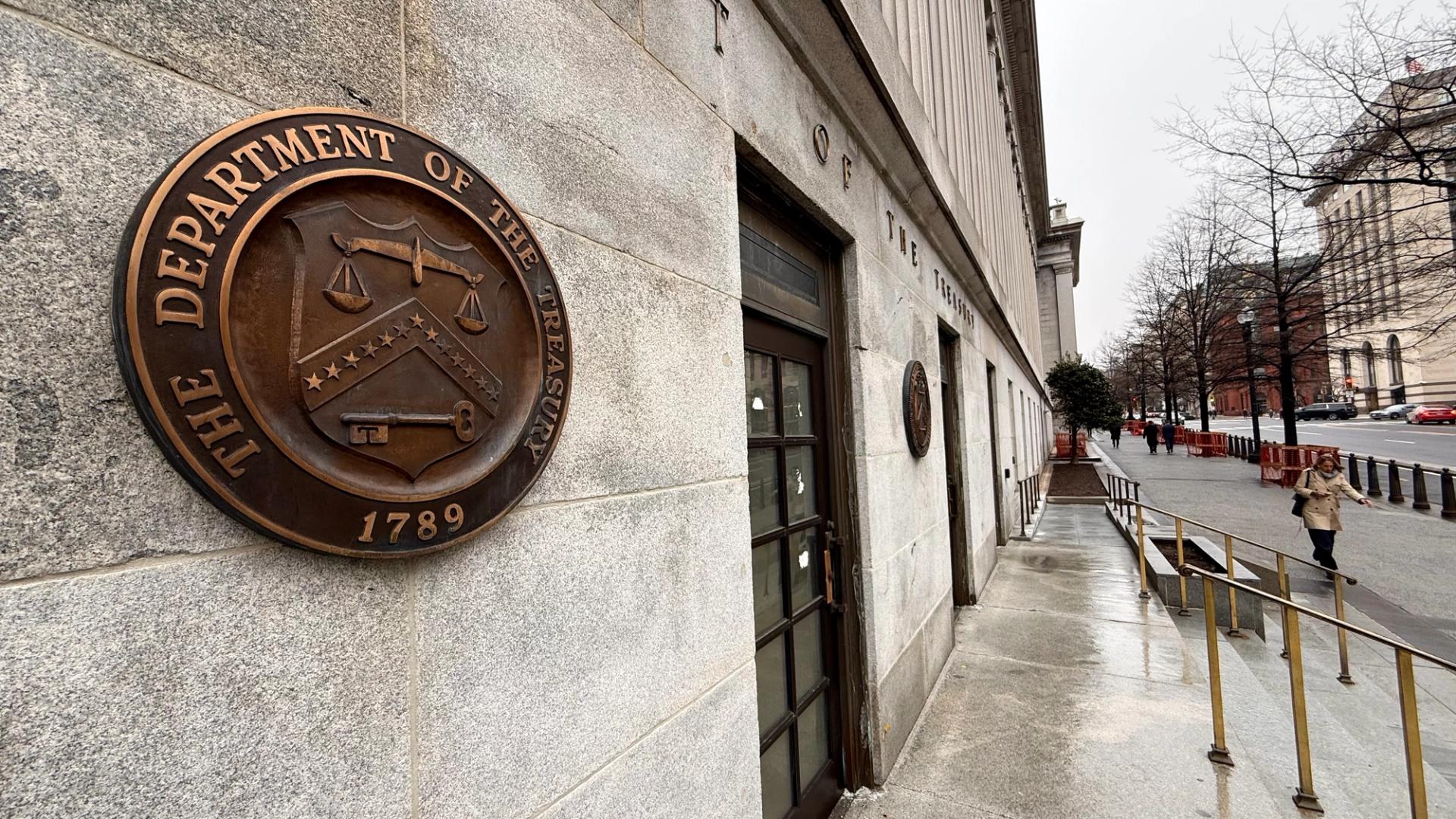
The cryptocurrency market is often a reflection of broader economic trends, and current warnings from fund manager Michael Kramer suggest that a significant liquidity drain from upcoming U.S. Treasury operations could have drastic implications for Bitcoin and other cryptocurrencies. As the financial landscape shifts, it’s crucial to analyze the potential repercussions of these Treasury actions on digital assets.
Quick Take
| Key Points | Details |
|---|---|
| Liquidity Drain | $150 billion from U.S. Treasury operations |
| Market Sentiment | Potentially bearish for Bitcoin |
| Historical Context | Previous Treasury operations affecting crypto |
| Investor Action | Watch for market reactions |
The Good, The Bad, and The Ugly: Analyzing the Situation
The Good
- Market Awareness: As investors become increasingly aware of monetary policy and its effects on asset prices, there is potential for more informed trading strategies.
- Increased Institutional Interest: While bearish trends can often lead to panic selling, they may also open new opportunities for institutional investors to enter the Bitcoin market at lower prices.
- Diverse Investment Strategies: Investors are adopting a more diversified approach, reducing exposure to any single asset, which can stabilize portfolios during turbulent times.
The Bad
- Price Volatility: The anticipated $150 billion liquidity drain may lead to increased volatility in Bitcoin and related markets, resulting in significant price swings.
- Investor Confidence Erosion: Continuous negative market sentiment can lead to a reduction in new investors entering the market, especially if they perceive Bitcoin as a risky investment during economic uncertainty.
- Comparative Performance: Bitcoin could underperform compared to traditional safe havens like gold if liquidity crises continue to unfold, leading to a shift in investor interest.
The Ugly
- Potential for a Bear Market: If Bitcoin price drops significantly due to the liquidity drain, it could lead to a prolonged bear market, affecting the entire cryptocurrency ecosystem.
- Margin Calls and Liquidations: With increased volatility, many investors who leverage their positions may face margin calls, leading to forced selling and exacerbating the downward price trend.
- Regulatory Scrutiny: A decline in Bitcoin's price may prompt regulatory bodies to reassess the crypto market and its implications on financial stability, which could result in stricter regulations moving forward.
Market Context
The looming $150 billion liquidity drain from U.S. Treasury operations occurs amidst a backdrop of fluctuating interest rates and inflationary pressures. Historically, such monetary maneuvers have had pronounced effects on risk assets, including cryptocurrencies. The last major operation of this scale led to a significant downturn in various asset prices, suggesting that history could repeat itself.
In this context, Bitcoin's fundamental value proposition as a hedge against inflation may be put to the test. The asset’s correlation with traditional markets has increased, particularly as institutional money flows into Bitcoin. As the U.S. economy navigates these challenges, the market may see Bitcoin's role shift from a speculative asset to a more stable store of value, albeit temporarily.
Impact on Investors
With the warning of a potential downturn, it’s essential for investors to reassess their positions. Those with high-risk exposure to Bitcoin should consider diversifying their portfolio to mitigate risks associated with these Treasury operations. Some strategies that may be employed include:
- Hedging: Utilizing options or futures to protect against potential price declines.
- Diversification: Exploring investments in stablecoins or other cryptocurrencies that may hold value better during downturns.
- Long-Term Holding: For seasoned investors, maintaining positions during downturns could yield significant rewards when the market inevitably rebounds.
Conclusion
As we anticipate the imminent $150 billion liquidity drain from U.S. Treasury operations, the implications for Bitcoin could be profound. While there are opportunities for knowledgeable investors, the risks are equally significant. By staying informed and developing adaptive strategies, market participants can navigate the uncertain waters ahead. The evolving landscape of monetary policy will undoubtedly shape the future trajectory of Bitcoin, making it crucial for investors to remain vigilant and proactive.
By evaluating the current situation through the lenses of the good, the bad, and the ugly, investors can better position themselves for the upcoming challenges posed by these macroeconomic factors. Whether Bitcoin can withstand this impending liquidity shock remains to be seen, but understanding the market dynamics will be key for anyone looking to thrive in this environment.
Tags
- Bitcoin
- Treasury Operations
- Market Analysis
- Investors
- Cryptocurrency Trends