 Go Back


Bitcoin Volatility Amidst Iran Tensions and CME Futures Insights
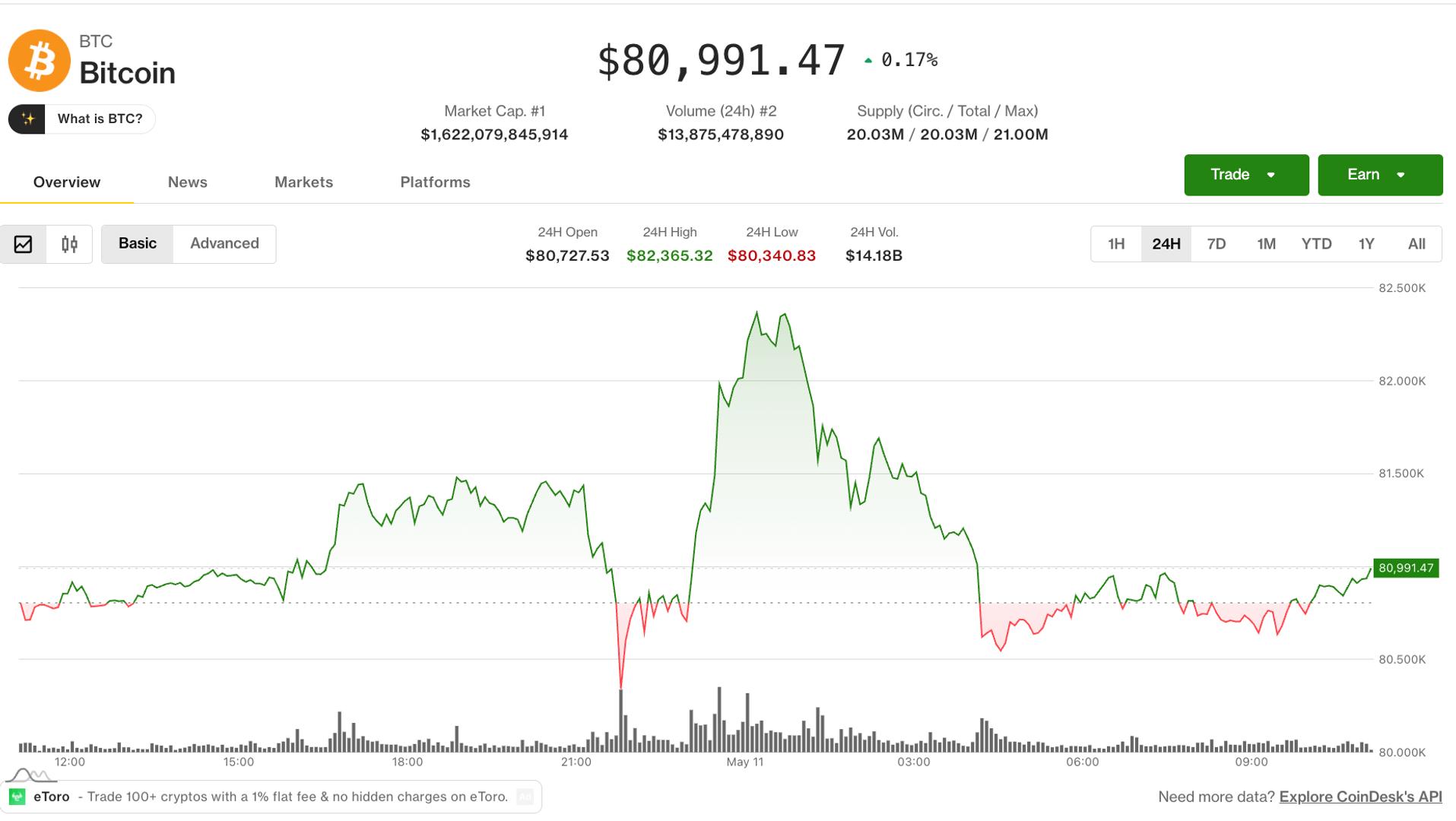
Bitcoin (BTC) recently experienced significant price fluctuations, briefly surging past $82,400 before retracting below $81,000. This volatility comes amid heightened geopolitical tensions, particularly relating to Iran, and coincides with the opening of CME futures. Understanding these dynamics offers a lens into not only the cryptocurrency's current scenario but also its long-term implications in the face of global upheaval.
Quick Take
| Metric | Value |
|---|---|
| Recent High | $82,400 |
| Recent Low | Below $81,000 |
| Current Market Sentiment | Bearish |
| Geopolitical Factor | Iran tensions |
Market Context
The cryptocurrency market is notoriously sensitive to external factors, and geopolitical events often serve as catalysts for price movements. The recent spike in volatility for Bitcoin can be attributed to a combination of market psychology and macroeconomic signals.
CME Futures Influence
The Chicago Mercantile Exchange (CME) has become a pivotal player in the Bitcoin market since it launched its Bitcoin futures contracts. These financial instruments allow traders to hedge against price fluctuations and speculate on future price movements. When the CME market opens, it often serves as a critical juncture for price discovery in the cryptocurrency space. The recent open saw traders repositioning, which contributed to the sudden surge and subsequent drop in Bitcoin's value.
Geopolitical Tensions
The tensions surrounding Iran—whether due to military threats, sanctions, or diplomatic negotiations—have a ripple effect on various financial markets, including cryptocurrencies. Investors often view Bitcoin as a 'safe haven' asset during times of instability. However, the uncertainty also leads to cautious trading, contributing to the observed price swings. The potential for escalated conflict can deter investment and lead to increased volatility, as seen recently.
Impact on Investors
As Bitcoin fluctuates amid these geopolitical tensions, investors must navigate a precarious environment marked by both opportunity and risk.
Volatility as an Opportunity
For some traders, volatility is synonymous with opportunity. The rapid price swings allow for short-term trading strategies, presenting potential profits to those who can effectively time their entries and exits. However, this requires a nuanced understanding of both market mechanics and external factors influencing price movements.
Caution for Long-term Investors
On the other hand, long-term investors might find these fluctuations unsettling. For those with a buy-and-hold strategy, frequent market noise can lead to emotional decision-making. It's vital for long-term holders to remain focused on fundamental aspects of Bitcoin, such as adoption rates, technological developments, and macroeconomic trends, rather than reactive trading behaviors driven by short-term events.
Historical Context
Bitcoin's price history has been punctuated by periods of intense volatility often coinciding with geopolitical events. For instance, previous conflicts in the Middle East or major political changes have similarly influenced market conditions. This historical perspective can inform current strategies, as it highlights the need for both caution and preparedness.
A Look Ahead
The interplay between Bitcoin's price movements and global geopolitical tensions is likely to continue as a defining factor in the market landscape. Analysts predict that as international relations evolve, Bitcoin might either solidify its status as a digital gold—an asset resistant to traditional market movements—or face new challenges from regulatory scrutiny as governments respond to its growing acceptance.
Conclusion
As traders and investors navigate the complex landscape of Bitcoin's current volatility amidst Iranian tensions, understanding the underlying factors is crucial. The CME futures market will continue to play a significant role in shaping price movements, while geopolitical events remain a wildcard in assessing market stability. For those involved, the balance between opportunity and risk will be a continual theme in their investment journeys.
Investors must stay informed and strategically position themselves to weather the storm of volatility that is likely to persist in the coming months.