 Go Back


Bitcoin Weakness Drives Strategy's 11th Losing Month: A Deep Dive
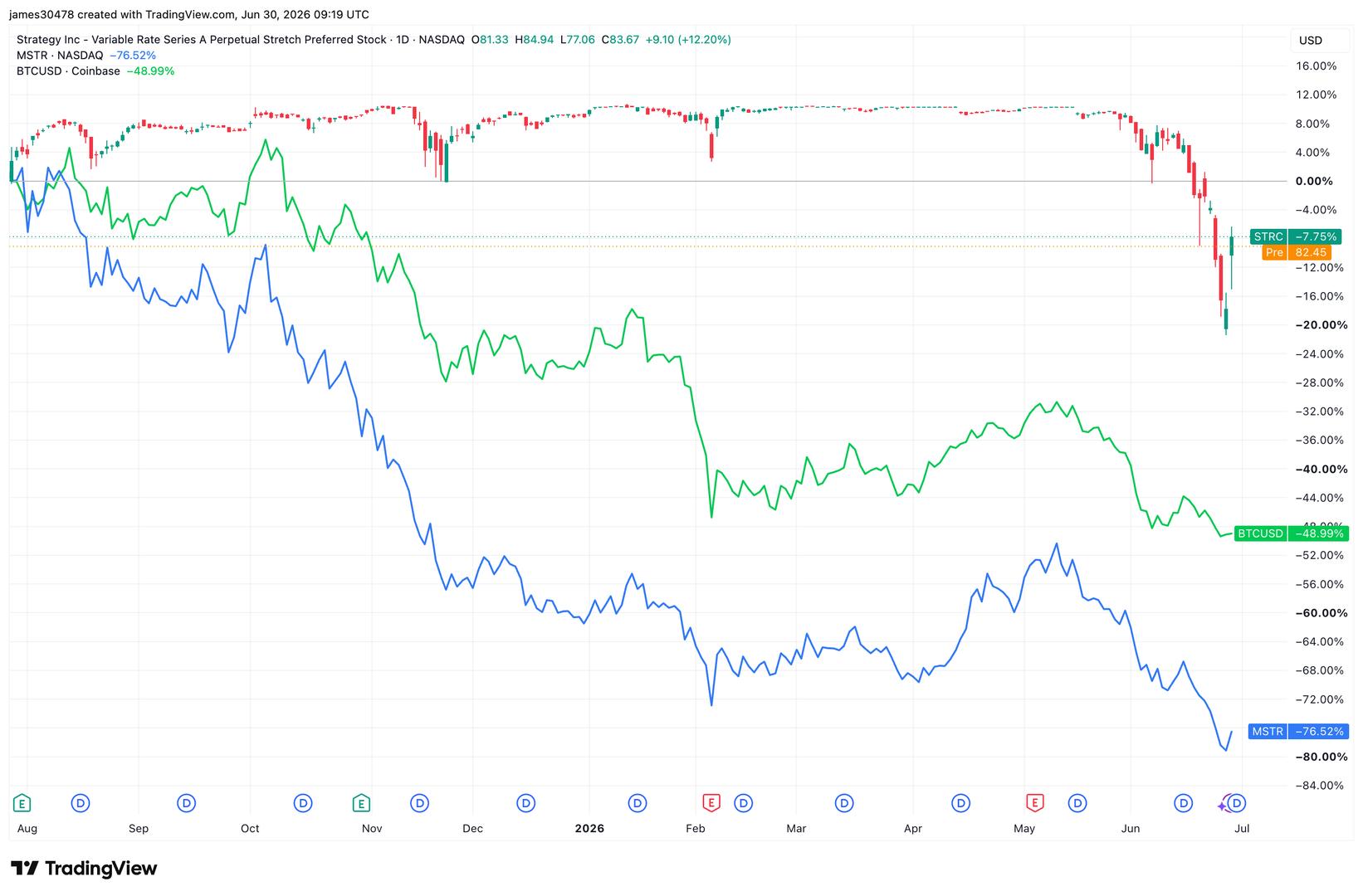
The cryptocurrency market has faced significant turbulence, and the recent performance of Strategy (MSTR) shares serves as a telling indicator of Bitcoin's ongoing struggles. As of June 2026, MSTR has lost approximately 41% of its value in a month characterized by persistent Bitcoin weakness. This scenario has set the stage for Strategy to potentially record its eleventh losing month out of twelve. Below is a quick overview of the situation.
Quick Take
| Metric | Value |
|---|---|
| MSTR Share Loss | -41% in June |
| Losing Months | 11 out of 12 |
| Bitcoin Performance | Continued Weakness |
Market Context
The relationship between Bitcoin and public companies like Strategy has become increasingly intertwined. As Bitcoin continues its downward trend, the implications extend far beyond mere price—it affects associated equities, investor sentiment, and overall market dynamics.
Historical Performance
Historically, Bitcoin has been known for its high volatility, showcasing periods of rapid price appreciation followed by significant corrections. The current environment echoes past bear markets but is exacerbated by macroeconomic factors such as rising interest rates, inflationary pressures, and ongoing regulatory scrutiny. This particular downturn is reminiscent of the 2018 crypto winter, where Bitcoin experienced prolonged bearish sentiment and led to substantial losses for companies heavily invested in cryptocurrency.
Current Economic Landscape
The global economic landscape is rife with uncertainty. Central banks worldwide are grappling with inflation and the potential for recession, creating an atmosphere of cautious investment. Additionally, the geopolitical climate and supply chain disruptions have introduced further volatility. In this context, Bitcoin's struggle is not merely a reflection of its technical or market-specific issues; it's also a symptom of broader economic challenges. Investors are becoming more risk-averse, leading to decreased demand for assets perceived as volatile.
SWOT Analysis
Strengths
- Institutional Adoption: Despite the decline, institutional interest in Bitcoin remains, suggesting that long-term fundamentals could still be strong.
- Decentralization: Bitcoin's decentralized nature continues to attract investors looking for alternatives to fiat currencies.
Weaknesses
- Price Volatility: The sharp declines create a challenging environment for companies like Strategy that are heavily tied to Bitcoin's price.
- Market Sentiment: The ongoing bearish sentiment can dissuade new investors, further exacerbating price declines.
Opportunities
- Long-Term Potential: The current downturn may present buying opportunities for long-term investors who believe in Bitcoin's future potential.
- Technological Development: Advances in blockchain technology and cryptocurrency use cases could provide value and recovery in the long term.
Threats
- Regulatory Risks: Increased regulatory scrutiny could hamper growth and investment in cryptocurrencies.
- Economic Instability: Continued economic downturns could lead to further declines in both the crypto market and associated equities.
Impact on Investors
The ongoing struggles of MSTR and Bitcoin pose several considerations for investors. The decline in MSTR shares signals a lack of confidence in the cryptocurrency market, potentially leading to a shift in investment strategies. Investors may need to reassess their risk tolerance and consider diversifying their portfolios to mitigate exposure to volatile assets like Bitcoin.
Investment Strategies
- Diversification: Consider balancing portfolios with a mix of traditional and alternative investments to reduce risk.
- Stay Informed: Regularly monitor macroeconomic indicators, as they can influence market conditions significantly.
- Long-Term Perspective: For committed investors, a long-term view may provide opportunities to capitalize on price recoveries when the market stabilizes.
Conclusion
In summary, the struggles of Strategy amid Bitcoin's persistent weakness reveal much about the current state of the cryptocurrency market and its interplay with global economic factors. While the outlook appears challenging in the short term, the long-term prospects for Bitcoin and companies like Strategy can remain optimistic for those willing to navigate the complexities of this evolving landscape. Investors must remain vigilant and adaptable, equipped with insights to make informed decisions in an unpredictable market.