 Go Back


Bitcoin's Rough Ride: The Worst Month Since June 2022
Bitcoin has been cruising down a rocky road, recently posting its worst month since June 2022. If you’re in the crypto space, you know that volatility is the name of the game, but this recent slump has caught many traders off guard. Let’s dive into what’s happening, why it matters, and what it could mean for the future.
Quick Take
| Metric | Value |
|---|---|
| Worst Month Since | June 2022 |
| Current Price | Potential drop to $40,000 |
| Investor Sentiment | Bearish |
| Market Context | Macroeconomic factors at play |
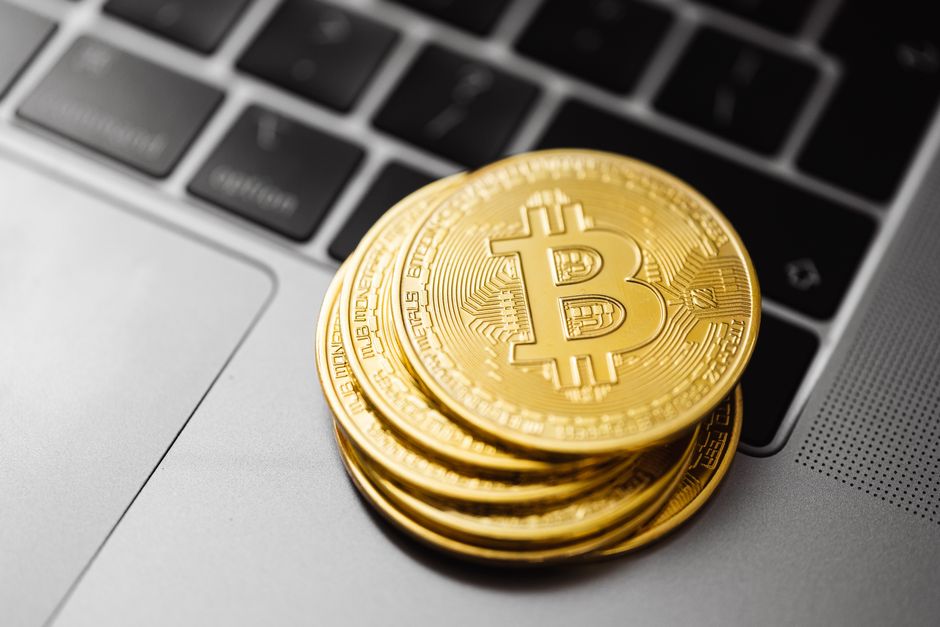
The Good
First, let’s acknowledge some of the silver linings amidst this storm. Bitcoin, despite its current woes, remains the king of crypto, with its strong brand recognition and a robust community backing it. Historically, Bitcoin has shown resilience, bouncing back after significant dips. Moreover, this recent dip may provide a buying opportunity for savvy investors looking to stack SATs at lower prices.
The Bad
On the flip side, Bitcoin's downturn signals a bearish market sentiment. Analysts are now projecting prices could fall as low as $40,000, which is a serious concern for holders and new investors alike. This month’s performance has been marred by macroeconomic factors, such as rising interest rates and inflation concerns, leading to a pullback not just for Bitcoin, but for the entire cryptocurrency market. The fear of regulation and unfavorable market conditions has many investors questioning their positions.
The Ugly
The ugly truth in this situation is that Bitcoin's price drop can trigger a domino effect across the entire cryptocurrency ecosystem. We’ve seen it before: when Bitcoin falters, altcoins often follow suit. Many investors are now on edge, wondering if this downturn is the beginning of a longer-term bear market. Additionally, market manipulation and fear-driven sell-offs can exacerbate the situation, leading to more chaos and uncertainty.
Market Context
Bitcoin's struggles don't exist in a vacuum. The broader macroeconomic environment plays a significant role in shaping crypto prices. As central banks around the globe raise interest rates to combat inflation, risk assets like Bitcoin take a hit. Higher rates typically mean that the cost of borrowing increases, which can cool off investment in speculative assets, creating a ripple effect that impacts Bitcoin and the entire crypto market.
Furthermore, geopolitical tensions and economic instability can trigger panic selling, exacerbating declines in Bitcoin’s price. Investors are increasingly turning to safer assets during these uncertain times, which can lead to further declines in Bitcoin as its appeal as a hedge against economic instability wanes.
Impact on Investors
So, what does this mean for investors? If you're holding Bitcoin, it might feel like a rollercoaster ride, but staying in the game could pay off in the long run. Historical data shows that Bitcoin has had numerous significant dips, often followed by a recovery that outpaces its previous highs. For those looking to enter the market, the current low prices might represent an opportunity to buy the dip.
However, it’s crucial to remain cautious. The bearish sentiment could linger, and there's no guarantee that Bitcoin will bounce back quickly. Investors should consider their risk tolerance and investment strategy carefully before making any moves. Diversification across assets could also help mitigate risk during this tumultuous period.
Final Thoughts
Bitcoin’s recent downturn is a wake-up call for investors and enthusiasts alike. While its past performance offers hope for recovery, the current macroeconomic landscape poses real challenges that can’t be ignored. Staying informed and vigilant is key to navigating these choppy waters. Whether you decide to hold, buy, or sell, always remember: the crypto market is wild, and it’s essential to keep your wits about you.
Tags
- Bitcoin
- Cryptocurrency
- Market Analysis
- Investing
- Economic Factors