 Go Back


Bitcoin's 22,800% Surge: A Decade of Dominance in Crypto
Over the last decade, Bitcoin has exhibited an astonishing growth of over 22,800%, solidifying its status as the leading cryptocurrency. 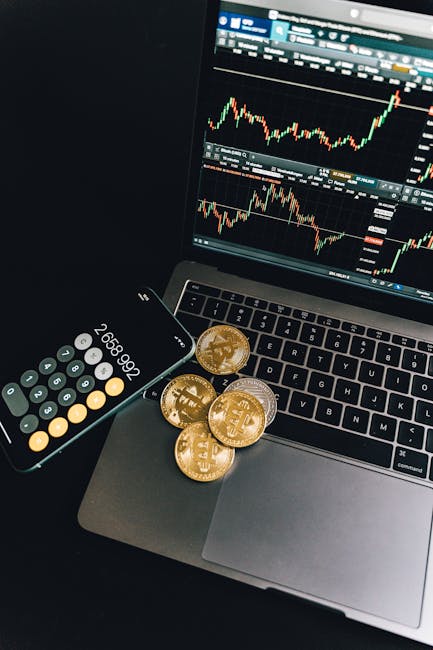 This surge reflects not just the evolution of Bitcoin but also the broader implications for the global economy, investment strategies, and technological advancements within the crypto sphere.
Quick Take
| Aspect | Details |
|---|---|
| 10-Year Growth | 22,800% |
| Current Market Status | Leading cryptocurrency |
| Global Adoption | Increasing institutional interest |
| Technological Impact | Innovations in blockchain technology |
| Investor Strategy | Long-term hold vs. short-term trading |
Historical Context of Bitcoin's Growth
To understand Bitcoin's spectacular rise, it’s crucial to look back at its inception in 2009 when it was worth mere cents. The early days were marked by skepticism and limited adoption, but as the concept of decentralized finance started gaining traction, Bitcoin began to attract attention. The introduction of smart contracts and decentralized applications (dApps) further propelled interest in blockchain technology.
Key milestones in Bitcoin's journey include:
- 2013: Bitcoin reaches $1,000 for the first time, capturing media attention.
- 2017: After a meteoric rise to nearly $20,000, Bitcoin enters the mainstream conversation.
- 2020-2021: Institutional investors like MicroStrategy and Tesla begin adding Bitcoin to their balance sheets, validating its use as a digital asset.
Market Context
Bitcoin's surge can be attributed to a combination of factors:
- Increased Institutional Adoption: Financial giants and corporations are increasingly investing in Bitcoin as a hedge against inflation. This trend has been accelerated by global economic responses to crises such as the COVID-19 pandemic.
- Supply Dynamics: Bitcoin's capped supply at 21 million coins introduces scarcity, differentiating it from fiat currencies that can be printed indefinitely. This scarcity becomes more pronounced as mining rewards are halved approximately every four years in events known as