 Go Back


Bitcoin's Challenging Year: A Deep Dive into Market Dynamics
The year 2023 has been a turbulent one for Bitcoin, with the cryptocurrency facing significant challenges amid a shifting global economic landscape. Traders are increasingly pessimistic, betting that the worst may still be ahead. This post delves into the macroeconomic factors at play, the current market context, and what this means for investors in the long run.
Quick Take
| Factor | Impact on Bitcoin | Traders' Sentiment |
|---|---|---|
| Global Economic Uncertainty | Negative | Bearish |
| Regulatory Scrutiny | Heightened | Cautious |
| Interest Rate Changes | Ongoing | Pessimistic |
| Market Volatility | Increasing | Uncertain |
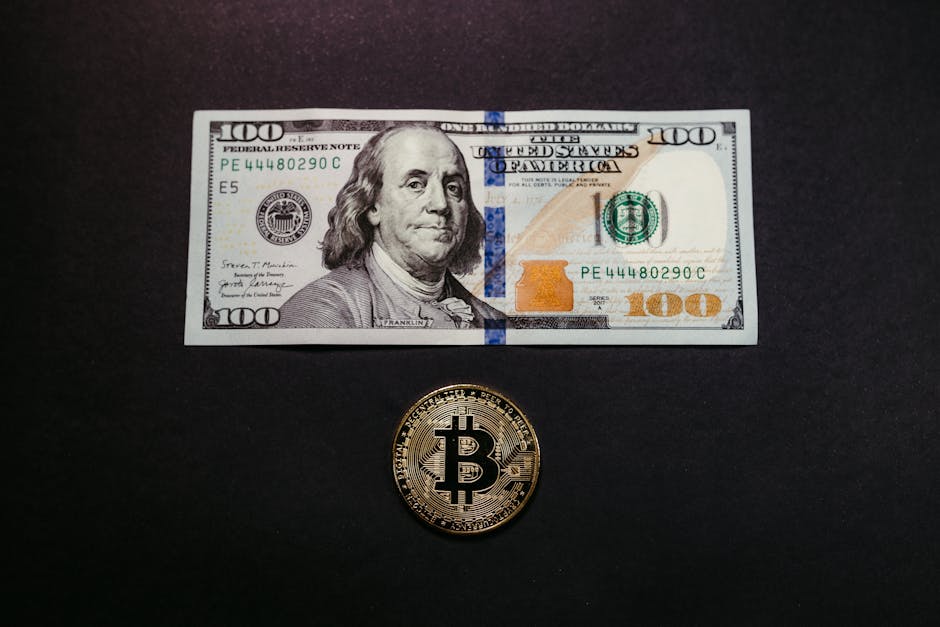
What Macro Factors Are Influencing Bitcoin's Price?
Bitcoin's price movements are increasingly tied to broader macroeconomic conditions. As inflation rates rise and central banks tighten monetary policy, risk assets like cryptocurrencies often experience heightened volatility.
Inflation and Interest Rates: With the Federal Reserve and other central banks around the world implementing aggressive interest rate hikes to combat inflation, the appetite for speculative investments typically wanes. Higher interest rates make traditional savings vehicles more attractive compared to volatile assets like Bitcoin.
Geopolitical Tensions: Ongoing geopolitical issues, such as the conflict in Ukraine and rising tensions in Asia, contribute to overall market uncertainty. Investors tend to retreat from riskier assets, including cryptocurrencies, during such times.
Regulatory Landscape: Increasing regulatory scrutiny in key markets has created headwinds for Bitcoin. Governments are actively seeking to impose regulations that could restrict Bitcoin's growth and utility, leading to trader skepticism about its future prospects.
Market Context
The current Bitcoin market reflects a bearish outlook among traders. This sentiment is not just a reaction to current prices but is also influenced by a confluence of external factors that present both immediate and long-term challenges:
- Market Volatility: Bitcoin has faced extreme price fluctuations this year, with significant drops leading to panic selling among traders. This volatility often creates a self-reinforcing cycle where negative sentiment drives prices down further.
- Short Selling: Many traders are betting against Bitcoin, utilizing short-selling strategies in anticipation of further price declines. This trend amplifies the pessimism surrounding Bitcoin, as increased short positions can lead to larger sell-offs.
- Investor Sentiment: Surveys indicate that many investors are cautious about re-entering the market, opting instead to wait for clearer signals of stability before committing more capital.
Impact on Investors
For long-term investors, the current climate presents both risks and opportunities. Here's how the evolving market landscape might impact investment strategies:
Risks
- Uncertain Returns: With the ongoing bearish sentiment, investors may face prolonged periods of stagnation or decline in Bitcoin's value, leading to uncertainty in potential returns.
- Regulatory Risks: The evolving regulatory environment could result in restrictions that affect Bitcoin's market viability, leading to a decline in adoption and use.
Opportunities
- Accumulation Phase: Savvy investors might view the current downturn as an opportunity to accumulate Bitcoin at lower prices, betting on a future recovery.
- Diversification: Investors may also consider diversifying their portfolios to include a mix of assets, leveraging Bitcoin alongside other cryptocurrencies or traditional investments as a hedge against market volatility.
Looking Ahead: Future Predictions for Bitcoin
As we look to the future, several scenarios could unfold for Bitcoin:
- Regulatory Clarity: If governments clarify their stance on cryptocurrencies, it could lead to renewed interest and investment.
- Technological Advancements: Innovations in blockchain technology may enhance Bitcoin's utility and adoption, creating new use cases that could drive demand.
- Macroeconomic Recovery: Should global economic conditions stabilize, with inflation controlled and interest rates potentially lowered, risk appetite could return, benefiting Bitcoin's price.
In summary, while 2023 has been a challenging year for Bitcoin, the macroeconomic context offers insights that may guide traders and long-term investors alike. Navigating this landscape will require a careful analysis of both the risks and potential rewards as the market evolves.
Conclusion
Bitcoin's rocky road in 2023 underscores the importance of being informed about the macroeconomic drivers influencing the market. As traders react to a myriad of factors, a deeper understanding of these dynamics will be essential for making informed investment decisions.