 Go Back

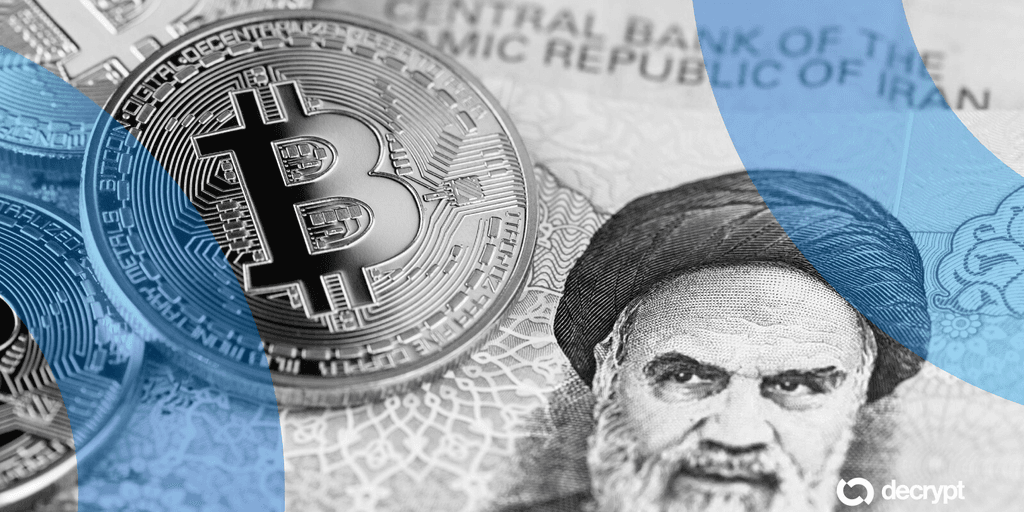
Bitcoin's Fluctuations: Ceasefire Hopes and Global Trends
Quick Take
| Item | Details |
|---|---|
| Market Reaction | Bitcoin's price volatility |
| Investor Activity | Tom Lee continues buying |
| Emerging Platforms | Polymarket's new financial system |
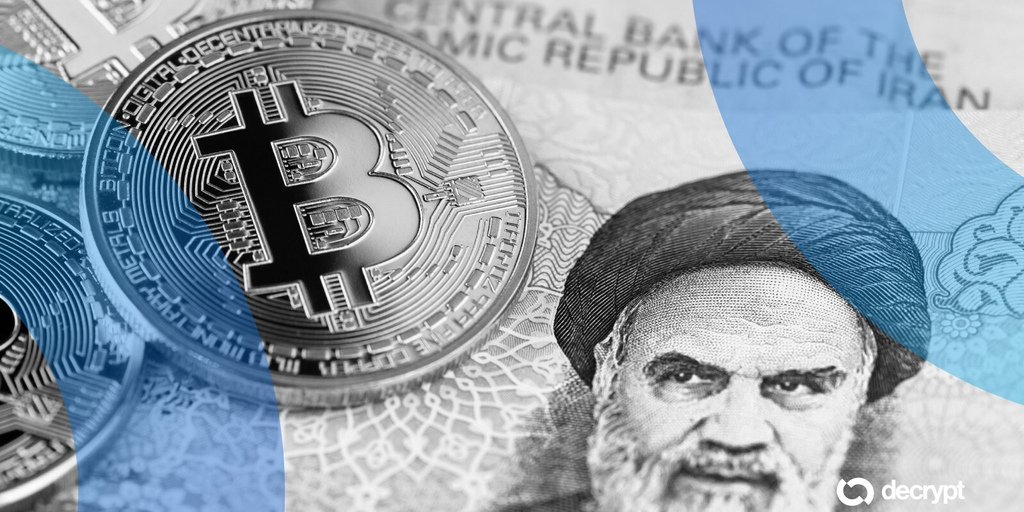
The current landscape of cryptocurrency is continuously influenced by various macroeconomic factors. Recently, Bitcoin has exhibited notable volatility, mirroring the rise and fall of ceasefire hopes in global conflicts. This phenomenon has reignited discussions about Bitcoin as a digital asset, its role in economic stability, and the implications for long-term investors. In this blog post, we will analyze the current situation through a SWOT analysis, examine market context, and explore the impact on investors.
Market Context
The price of Bitcoin has always shown sensitivity to geopolitical events. The recent fluctuating hopes for ceasefires in conflict zones, specifically in the Middle East and Eastern Europe, have driven Bitcoin's volatility. Traditionally perceived as a safe haven asset, Bitcoin's price dynamics suggest a complex interplay between investor sentiment and global affairs.
When news breaks regarding potential ceasefires, Bitcoin often rallies as investors seek refuge from traditional market instability. Conversely, when those hopes diminish, Bitcoin's price typically retracts, reflecting a broader uncertainty in both crypto and equity markets. This connection between geopolitics and financial assets speaks volumes about investor behavior in the current climate.
Tom Lee, a prominent figure in the cryptocurrency investment community, has been noted recently for his continued acquisition of Bitcoin despite its volatility. His strategy aligns with the belief that these price swings represent temporary fluctuations rather than a long-term bearish trend. Such actions from influential investors often instigate confidence in the market, encouraging others to follow suit and increasing Bitcoin's overall liquidity.
SWOT Analysis
Strengths
- Decentralized Nature: Bitcoin remains a decentralized and borderless asset, which can act as a hedge against geopolitical instability.
- Established Market Position: As the leading cryptocurrency, Bitcoin has garnered significant recognition and trust among investors.
Weaknesses
- Volatility: The correlation between Bitcoin's price and external geopolitical events can lead to unpredictable market swings.
- Regulatory Risks: Heightened scrutiny from governments around the globe could threaten Bitcoin's market dynamics and investor confidence.
Opportunities
- Institutional Adoption: Increasing participation from institutions could bolster Bitcoin's market stability and enhance its legitimacy as an asset class.
- Emerging Financial Systems: Platforms like Polymarket are developing new financial infrastructures, potentially integrating Bitcoin into more traditional financial frameworks.
Threats
- Market Manipulation: Large trades by influential investors can disproportionately affect market prices, leading to a lack of trust in Bitcoin's value.
- Global Economic Trends: Broader economic downturns could lead to decreased investment in risk assets, including cryptocurrencies.
Impact on Investors
The recent price fluctuations of Bitcoin, fueled by geopolitical developments, necessitate a careful examination by investors. While some may see the volatility as a deterrent, others may interpret it as an opportunity for strategic investment. The ongoing political uncertainty can create entry points for seasoned investors while cautioning less experienced participants to tread carefully.
Investors should also consider the implications of platforms like Polymarket, which may innovate new ways for individuals to participate in financial systems that are closely tied to real-world events. The integration of these platforms with Bitcoin could reshape how investors view digital assets in relation to traditional financial systems, presenting both challenges and opportunities in the evolving landscape.
Conclusion
As we move forward, the relationship between geopolitical events and Bitcoin's price movements will remain a critical focus for investors. Understanding this dynamic will be essential for developing robust investment strategies that can withstand the test of time. The sentiment surrounding ceasefire hopes and global stability will continue to influence Bitcoin, making it a fascinating asset for both new and seasoned investors alike. The future of Bitcoin will undoubtedly be shaped by a multitude of factors, including macroeconomic trends and emerging platforms that redefine the financial landscape.
Tags
- Bitcoin
- Cryptocurrency
- Investment Strategies
- Macroeconomics
- Geopolitical Events