 Go Back


Understanding Bitcoin's Quantum Threat
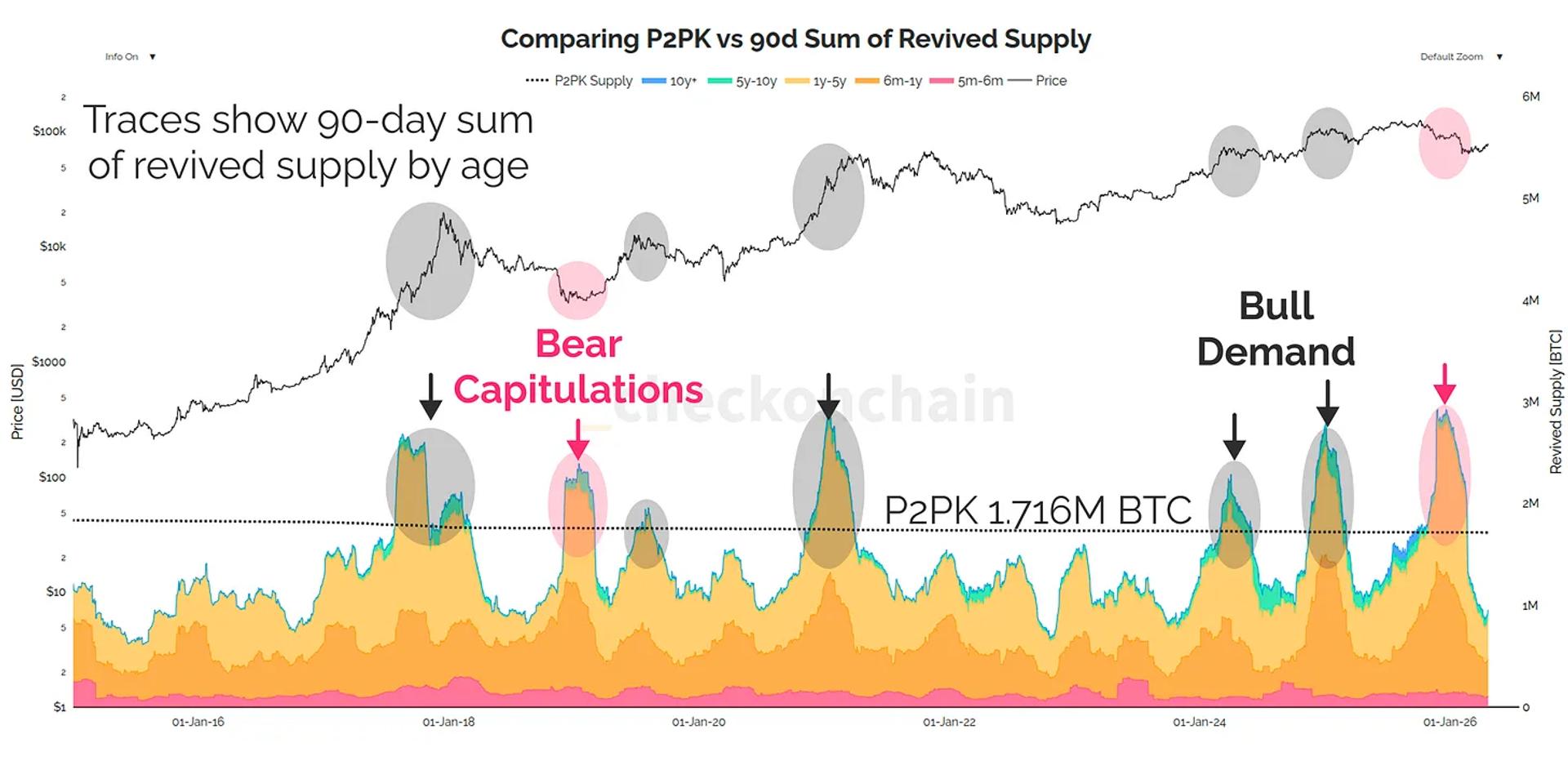
As discussions around quantum computing grow, many enthusiasts and investors in the cryptocurrency space are concerned about its implications for Bitcoin and its underlying technology. A recent article from CoinDesk sheds light on this issue, arguing that while quantum threats exist, they are manageable rather than existential. This post explores the nuances of this potential threat, its market context, and what it means for long-term investors.
Quick Take
| Aspect | Details |
|---|---|
| Quantum Threat Level | Manageable, not existential |
| Market Impact | A potential sell-off could be significant but not catastrophic |
| Focus Areas | Vulnerable early wallets and future quantum-resistant solutions |
| Long-Term Outlook | Continued innovation and adaptation within the crypto space |
What is the Quantum Threat to Bitcoin?
Quantum computing represents a fundamental shift in computing power, enabling the processing of complex calculations at speeds unimaginable with today’s technology. For Bitcoin, this poses a potential threat to its security model, which relies heavily on cryptographic algorithms. Specifically, Shor’s algorithm has the capability to break widely-used encryption methods, potentially exposing Bitcoin wallets to hacking.
While this is a valid concern, it is essential to put it into perspective. The current quantum computing capabilities are far from being able to execute such high-level attacks against Bitcoin. The fear primarily focuses on early wallets that might be more vulnerable.
Market Context
The $145 Billion Math
According to the CoinDesk piece, the market data suggests that even in a worst-case scenario involving quantum threats, the economic repercussions would be substantial but far from catastrophic. An estimated $145 billion in Bitcoin could be at risk, highlighting the need for robust security measures but also reflecting the resilience of the market.
- Current Market Resilience: Bitcoin has shown incredible resilience over its history, bouncing back from significant setbacks and price corrections. This historical context suggests that even if quantum threats materialize, the market is likely to adapt.
- Infrastructure Improvements: The cryptocurrency ecosystem is continually evolving. Innovations aimed at enhancing security, such as quantum-resistant algorithms, are in development, which can mitigate these risks.
The Evolution of Cryptography in Response to Quantum Threats
The threat of quantum computing is prompting the crypto community to rethink its cryptographic standards. Researchers and developers are already exploring various alternatives that could replace traditional encryption methods. Post-quantum cryptography is a growing field, focusing on creating algorithms that can withstand quantum attacks. As these solutions become more viable, Bitcoin’s defensive measures will strengthen.
Impact on Investors
Short-Term vs. Long-Term Perspectives
For investors, the key insight from this discussion is the difference between short-term panic and long-term strategy.
- Short-Term Traders: Those who engage in speculative trading may find themselves reacting to news of quantum advancements, leading to market volatility. However, such fluctuations should be viewed with caution, as they are often overreactions to emerging technologies.
- Long-Term Holders: Investors with a long-term view should focus on Bitcoin’s historical performance and the ongoing advancements in its ecosystem. The potential risks presented by quantum computing should not overshadow the fundamental value and innovative spirit of Bitcoin.
Diversification Strategies in a Quantum Future
Given the uncertainties surrounding quantum technology, diversification remains a prudent strategy for cryptocurrency investors. Here are a few ways to approach this:
- Invest in Quantum-Resistant Projects: Look for cryptos that are actively working on solutions to counteract quantum threats.
- Balance Your Portfolio: Consider allocating funds across various assets, including stablecoins, altcoins, and traditional financial instruments, to mitigate risk.
- Stay Informed: Keep up with advancements in both quantum technology and cryptocurrency security to make informed decisions about your investments.
Conclusion
While the quantum threat to Bitcoin is a legitimate concern, it’s essential to view it within the broader context of market resilience, technological evolution, and investor strategy. The crypto landscape is ever-changing, and as developers work on countermeasures to quantum risks, Bitcoin is likely to remain a cornerstone of the digital asset universe. Investors should remain vigilant but also recognize the long-term potential and adaptability of this revolutionary asset class.
Tags
- Bitcoin
- Quantum Computing
- Cryptography
- Market Analysis
- Investment Strategy