 Go Back


Block's New Moves: Transforming Bitcoin into Everyday Currency
The excitement around Bitcoin is reaching new heights, especially with the latest developments presented at Bitcoin 2026. Block, led by the innovative Miles Suter, is not just talking the talk but walking the walk with a clear aim to position Bitcoin as ‘everyday money’. This transformation could be a game-changer in how we perceive and utilize Bitcoin in our daily lives.
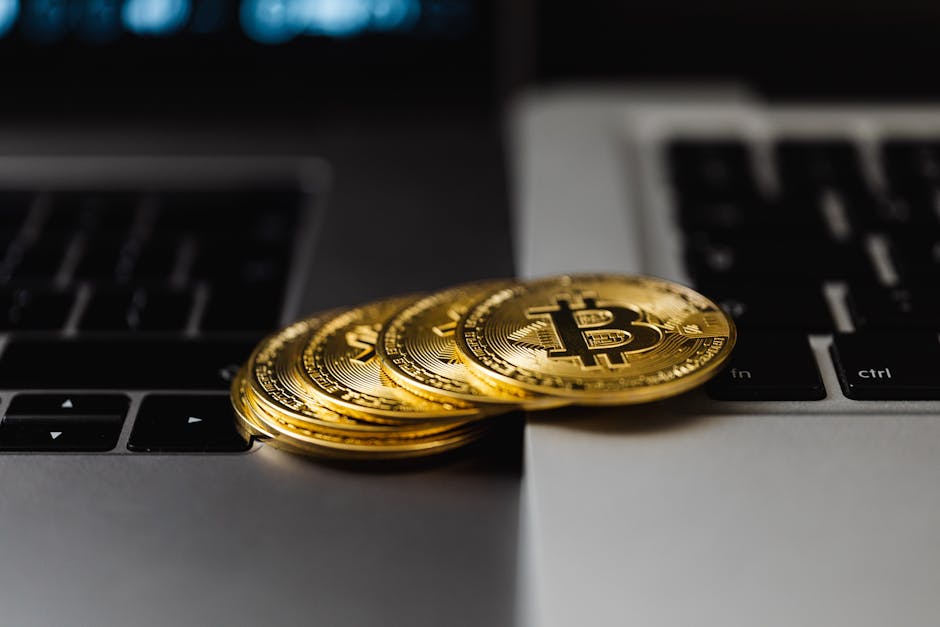
Quick Take
| Feature | Details |
|---|---|
| New Tools | Payments, rewards, and self-custody |
| BTC Reserves | Proof of $2.2 billion in BTC |
| Event | Bitcoin 2026 |
| Focus | Bitcoin as a mainstream currency |
The Big Reveal at Bitcoin 2026
At the Bitcoin 2026 event, Miles Suter unveiled a suite of tools aimed at empowering users with Bitcoin. Block is making bold moves to embed Bitcoin deeply into our everyday transactions. With the proof of a whopping $2.2 billion in BTC reserves, it’s clear that Block is not just a player in the crypto space; they're here to redefine how we view and use Bitcoin.
Market Context
The vision of Bitcoin as a practical currency has been around since its inception, but recent years have seen fluctuating interest and adoption rates. Following the all-time highs and lows of 2021 and 2022, Bitcoin has been on a rollercoaster ride, often viewed as a speculative asset rather than a functional currency. However, with Block’s fresh initiatives, the narrative is shifting.
The incorporation of Bitcoin into everyday transactions isn’t just a pipe dream. Companies like Block are leveraging technological advancements to create user-friendly solutions that make transactions seamless. The focus on self-custody tools is particularly noteworthy, as it empowers users to take control of their own assets, furthering the idea of decentralized finance (DeFi).
Impact on Investors
For investors, Block's initiatives represent both opportunity and risk. On one hand, if Bitcoin becomes a mainstream currency, the value and utility of Bitcoin could increase significantly, making it a more attractive asset class. On the other hand, the introduction of new tools and competition in the space could lead to volatility in Bitcoin’s price as investors react to changing market dynamics.
- Increased Utility: As Bitcoin becomes integrated into daily transactions, its utility increases, potentially leading to higher demand and price stability.
- Investor Sentiment: The excitement around Block’s developments can also lead to increased investor interest, pushing prices upward as more people look to get involved.
- Regulatory Considerations: With innovation comes scrutiny. Investors should keep a keen eye on regulatory developments that could impact Block and Bitcoin's trajectory.
The Future of Bitcoin as Everyday Money
Looking ahead, the long-term potential of Bitcoin as a currency hinges on several factors:
- User Adoption: The more users that adopt Bitcoin for everyday transactions, the more integral it becomes in the economy.
- Technological Innovations: Continued advancements in payment technologies will further simplify the process of purchasing and using Bitcoin.
- Regulatory Support: Supportive regulations can pave the way for wider acceptance and use of Bitcoin in traditional markets.
- Market Stability: As Bitcoin stabilizes and becomes less volatile, it could be seen as a more viable alternative to fiat currencies.
Conclusion: A New Era for Bitcoin
Block’s ambitious plans to transform Bitcoin into everyday money could signify the dawn of a new era for the cryptocurrency. If successful, this initiative could pave the way for Bitcoin to take its rightful place alongside traditional currencies. Investors should keep their eyes peeled on the developments from Block and the broader cryptocurrency landscape as this journey unfolds. The future of Bitcoin as a practical currency is not just a possibility—it’s becoming a reality.
With Block's commitment and a solid foundation of BTC reserves, the stage is set for Bitcoin to emerge as a staple in the financial ecosystem. Be ready to witness this exciting transformation!