 Go Back


BNY Mellon Expands Institutional Custody with USDC Services
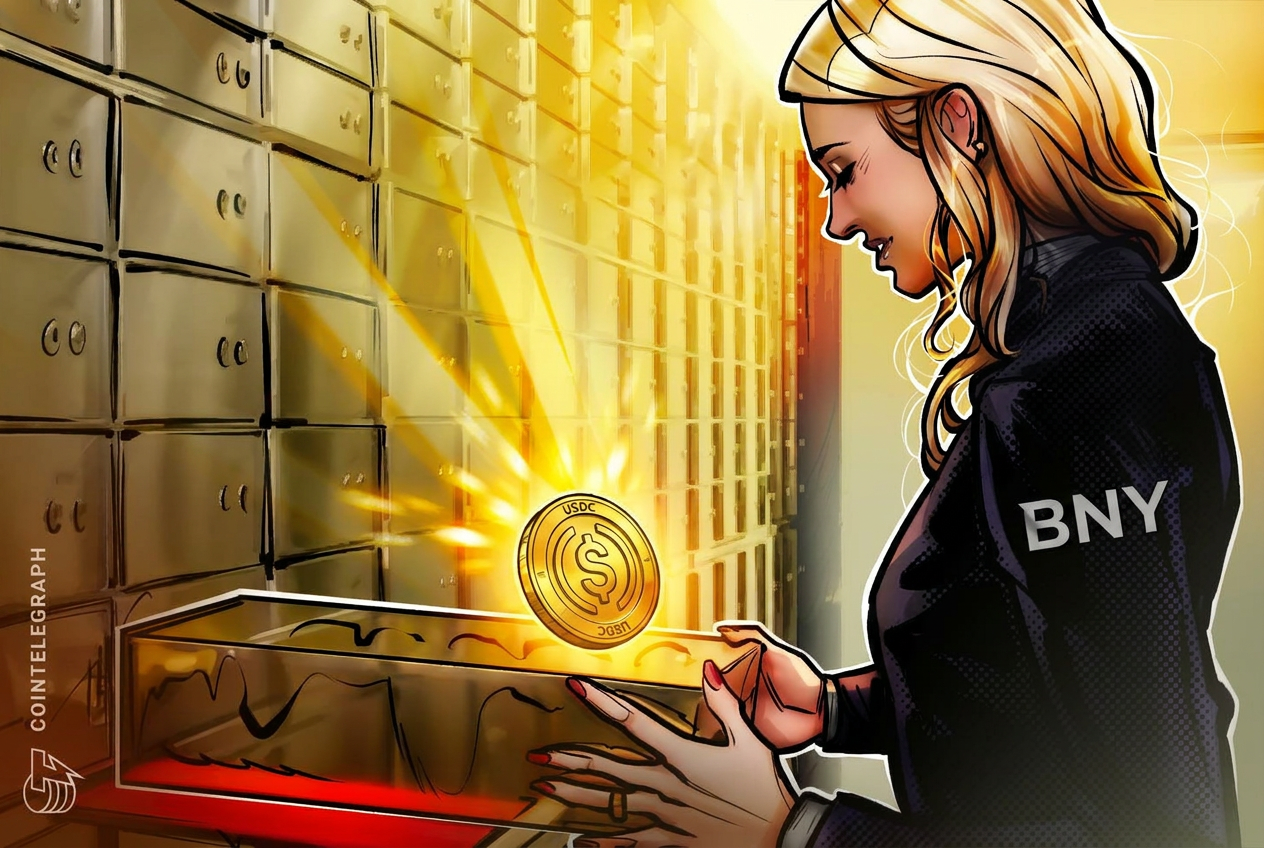
In a strategic enhancement to its services, BNY Mellon has added USDC minting and redemption capabilities to its institutional custody platform. This development not only strengthens the bank's partnership with Circle, the issuer of USDC, but also places BNY Mellon at the forefront of the evolving landscape of digital asset management. As the primary custodian of USDC reserves, BNY Mellon is poised to impact the institutional cryptocurrency market significantly.
Quick Take
| Aspect | Details |
|---|---|
| Partnership | Enhanced collaboration with Circle |
| Services Added | USDC minting and redemption |
| Market Position | Primary custodian of USDC reserves |
| Target Audience | Institutional clients |
| Implications | Increased trust in digital assets |
The Good: Strengthening Institutional Trust
With the addition of USDC minting and redemption services, BNY Mellon is encouraging more institutional investors to engage with cryptocurrency markets. One of the primary barriers for these investors has been the lack of trustworthy custodial solutions. By offering a service that allows for both minting and redemption, BNY Mellon reduces the friction often associated with entering the crypto space.
This move could enhance the overall adoption of digital currencies within institutional portfolios, as it enables investors to manage their USDC holdings more efficiently. Furthermore, it sets a precedent for other financial institutions to explore similar offerings, thereby expanding the ecosystem.
The Bad: Regulatory Scrutiny and Risks
Despite the positive aspects, the integration of USDC services into BNY Mellon’s platform does not come without challenges. The regulatory environment surrounding stablecoins remains uncertain. Regulatory bodies across the globe have begun scrutinizing digital assets more closely, particularly focusing on how they can be classified and regulated.
For BNY Mellon, this means navigating a complex landscape of rules that could evolve rapidly. If regulators impose stringent requirements on stablecoin custodians, it could lead to additional operational costs and compliance burdens for BNY Mellon. Furthermore, any negative regulatory actions could impact the bank's reputation and the perceived stability of USDC itself.
The Ugly: Market Volatility and Investor Concerns
The cryptocurrency market is notorious for its volatility, and even stablecoins like USDC are not immune to market fluctuations. While USDC is pegged to the US dollar, any loss of confidence among investors could lead to a sell-off, affecting its stability.
Moreover, the introduction of USDC minting and redemption services could attract speculative behavior from investors, putting further pressure on BNY Mellon to maintain the integrity of its custodial services. Institutional investors, while typically risk-averse, could find themselves dealing with unexpected volatility in digital assets, which may lead to reluctance in fully embracing cryptocurrencies.
Market Context
The backdrop of BNY Mellon's decision fits into a broader trend where financial institutions are increasingly adopting blockchain technology and digital assets. As of late 2023, institutions are increasingly looking to diversify their portfolios with digital assets, and the demand for stablecoins has surged as a means to navigate market volatility.
According to recent data, the total market capitalization of stablecoins has surpassed $150 billion, indicating a growing reliance on these digital currencies for both transactions and value storage. BNY Mellon's move to integrate USDC services aligns perfectly with these trends, positioning the bank as a crucial player in the evolving digital asset landscape.
Impact on Investors
For investors, BNY Mellon's new services could provide a more secure and efficient way to manage USDC holdings. It may also encourage more institutions to adopt cryptocurrencies, contributing to a more stable market overall. However, investors should remain cautious and stay informed about regulatory developments that could impact the stability and usability of USDC and other stablecoins.
Additionally, it is essential for investors to recognize the inherent risks associated with digital assets, including regulatory risks, market volatility, and the potential for technological failures.
In summary, while BNY Mellon's expansion into USDC services represents a positive development for institutional engagement in the cryptocurrency space, it also brings regulatory and market challenges that both the bank and its clients must navigate carefully. As the landscape continues to evolve, staying informed and adaptable will be crucial for all stakeholders involved.