 Go Back

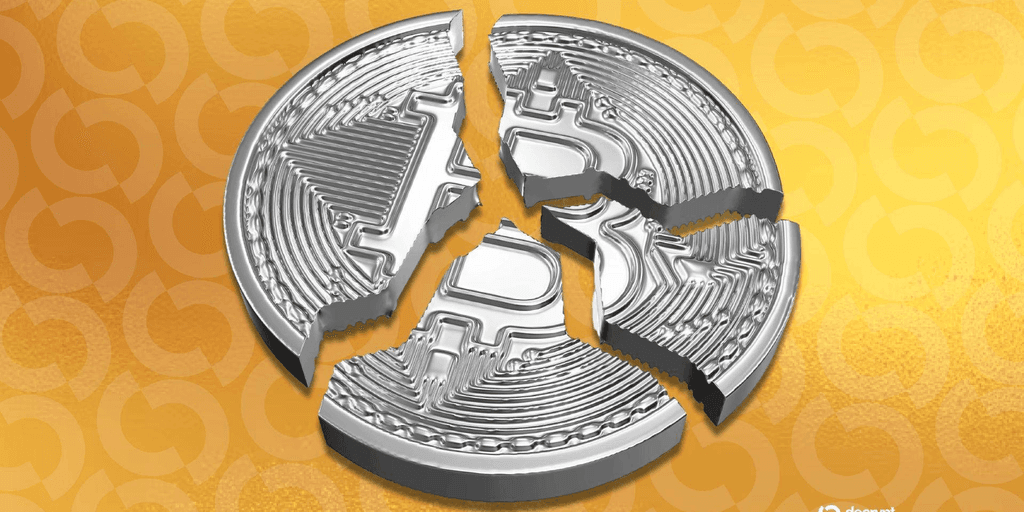
The Implications of Burning $8.2 Million in Bitcoin
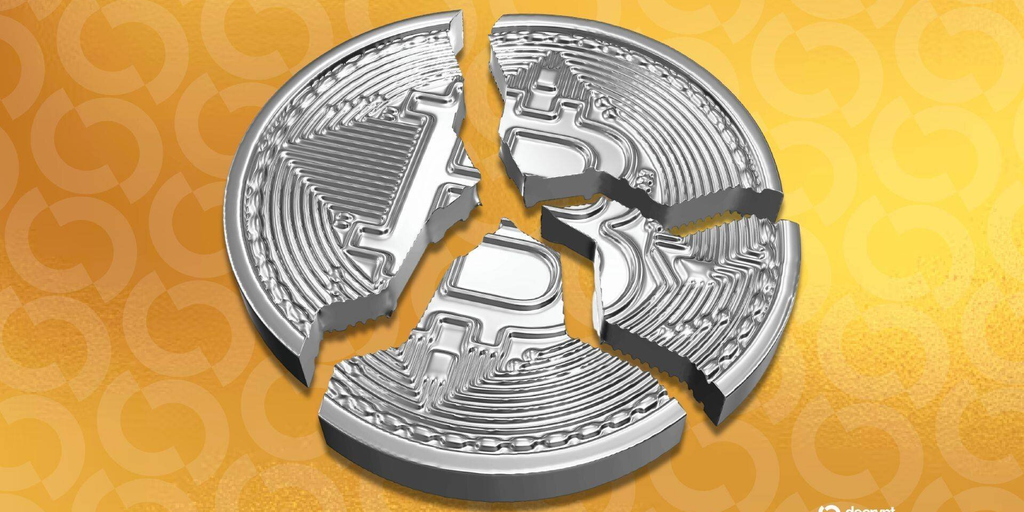
On a seemingly ordinary day in the cryptocurrency world, five unknown addresses have made headlines by removing approximately 107 Bitcoin (BTC), valued at around $8.2 million, from circulation. This event has sparked curiosity and intrigue on social media platforms, with crypto enthusiasts and investors speculating about the motives behind such a significant action. But what does this mean for the market, the currency itself, and investors at large?
Quick Take
| Aspect | Details |
|---|---|
| Amount Burned | 107 Bitcoin |
| Value | $8.2 million |
| Addresses | Five unknown addresses |
| Market Reaction | Increased speculation |
| Long-term Impact | Potential deflationary effects |
The Good: A Deflationary Signal
The act of burning Bitcoin removes it from circulation permanently, which has several implications. In the context of Bitcoin's fixed supply cap of 21 million coins, this reduction can be viewed positively. According to the economic principle of scarcity, reducing the available supply of an asset can lead to increased demand, particularly as more investors recognize Bitcoin’s potential as a store of value.
In the long run, if such burns become a trend, they could help bolster Bitcoin's price by creating a deflationary environment. Investors may perceive Bitcoin as even more scarce and valuable, potentially driving up demand from institutional and retail investors alike.
The Bad: Risk of Uncertainty
While there are potential positive aspects to the burning of Bitcoin, it also introduces an element of uncertainty. The anonymity of the addresses involved raises questions about the intent behind this action. Were these Bitcoin assets burned as part of a strategic move by an investor or organization, or were they simply lost? If they were lost, this could indicate that even the most seasoned investors can make critical mistakes, or worse, that Bitcoin's accessibility comes with risks.
Moreover, the lack of information regarding the individuals behind these transactions can create a sense of distrust within the community. Speculation may breed fear, leading to a decline in market confidence. If investors perceive this act as a precursor to larger market manipulation or an indication of an impending downturn, we may see a short-term negative impact on Bitcoin's price.
The Ugly: Potential Market Manipulation
One of the ugliest scenarios emerging from this incident is market manipulation. If the burning of Bitcoin was orchestrated as part of a larger scheme to affect market perception, it could have dire consequences for overall market stability. Historical patterns show that sudden, large-scale changes in Bitcoin's supply can lead to price volatility, which can be exploited by traders looking to capitalize on fear and uncertainty.
Additionally, if influential figures or organizations were tied to these unknown addresses, it could lead to allegations of collusion or insider trading. The crypto space has seen its fair share of scandals, and this incident could reignite fears about the integrity of market operations.
Market Context
Understanding the current macroeconomic landscape is essential when analyzing events like this one. Globally, markets are experiencing heightened volatility due to inflation concerns, geopolitical tensions, and regulatory scrutiny. As Bitcoin is often seen as a hedge against inflation and economic instability, any action that alters its supply could provoke significant market reactions.
Currently, Bitcoin's price has been fluctuating in response to these macroeconomic factors. The increasing interest from institutional investors, coupled with the potential impact of this Bitcoin burn, adds layers of complexity to the overall market dynamics.
Furthermore, the broader cryptocurrency market is also undergoing transformations, with increased regulatory oversight and innovations such as decentralized finance (DeFi) and non-fungible tokens (NFTs) drawing attention from both retail and institutional investors. In such a complex environment, the implications of burning Bitcoin could resonate far beyond the immediate market reaction.
Impact on Investors
For investors, the burning of Bitcoin presents a unique dilemma. On one hand, the act could signify increasing scarcity, potentially driving prices up in the long run. On the other hand, the uncertainty surrounding the motives of the unknown addresses could lead to short-term volatility and market anxiety. Investors should remain vigilant, keeping an eye on market signals and broader economic indicators that may influence Bitcoin's price trajectory.
In times of uncertainty, it’s important for investors to maintain a diversified portfolio and to understand the inherent risks that accompany cryptocurrency investments. The lesson here is to stay informed and be prepared for sudden shifts in market conditions, especially when unexpected events, like the burning of Bitcoin, occur.
Conclusion
The removal of $8.2 million worth of Bitcoin from circulation is a significant event that stirs the pot of speculation and intrigue within the cryptocurrency community. While there are potential benefits in terms of scarcity and a deflationary outlook, the risks associated with uncertainty and market manipulation cannot be ignored. As always, staying informed and adapting to changing market dynamics will be crucial for any investor looking to navigate the complexities of the cryptocurrency landscape.