 Go Back


Can You Buy a Car With Cryptocurrency in 2026? Insights Ahead
The question of whether cryptocurrencies will facilitate car purchases in 2026 is not merely speculative; it encapsulates the broader trajectory of digital currencies within the global economy. The rapid evolution of cryptocurrencies has led to a burgeoning interest in their practical applications beyond investment. As we delve into this topic, we will explore the macroeconomic context, technological advancements, and market dynamics that could shape the future of cryptocurrency transactions in the automobile industry.
Quick Take
| Aspect | Current Trend | 2026 Prediction |
|---|---|---|
| Cryptocurrency Adoption | Increasing in various sectors | Mainstream in retail transactions |
| Car Manufacturers' Stance | Limited acceptance | Potential partnerships with crypto |
| Regulatory Environment | Evolving, with some restrictions | More clarity and acceptance |
| Consumer Attitude | Growing interest | Widespread acceptance |
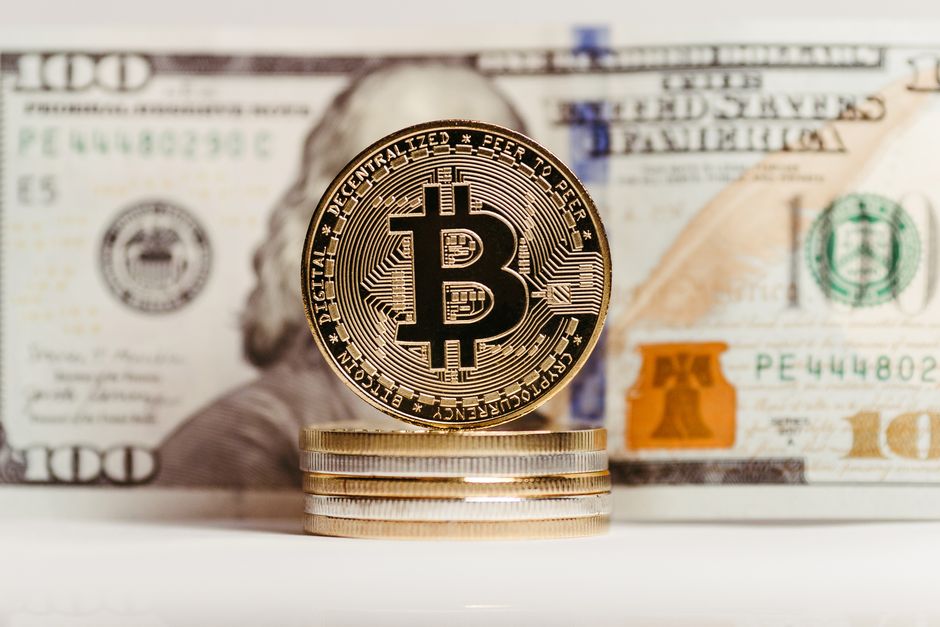
The Rise of Cryptocurrency in Everyday Transactions
Cryptocurrency has made significant strides since the inception of Bitcoin in 2009. Initially viewed as a speculative asset, it has gradually found practical applications across various sectors, including retail, real estate, and service industries. Key players such as Tesla and Overstock have paved the way for accepting cryptocurrency as a form of payment, showing that digital currencies can serve a real purpose beyond investment.
Current Landscape in 2023
As of 2023, several automobile manufacturers and dealerships are experimenting with accepting cryptocurrency for car purchases. Companies like Lamborghini and Tesla have allowed customers to buy vehicles with Bitcoin, showcasing the growing acceptance of cryptocurrencies in the automotive sector. However, widespread adoption remains hampered by regulatory uncertainty and market volatility.
Market Context
Economic Factors Influencing Cryptocurrency Adoption
The macroeconomic landscape in 2023 suggests that interest rates, inflation, and consumer spending power will play critical roles in shaping the future of cryptocurrency. High inflation rates may encourage consumers to seek alternative payment methods, including cryptocurrencies, as they look for better value retention. Additionally, the evolution of central bank digital currencies (CBDCs) may catalyze further acceptance of digital currencies in everyday transactions.
Technological Developments
The rise of blockchain technology is another driving force behind the anticipated growth of cryptocurrency payments. Innovations in payment processing and smart contracts can streamline transactions, making it easier for consumers to purchase cars using cryptocurrencies. As these technologies mature, we may see more automobile manufacturers integrating cryptocurrency payment systems into their sales processes.
Impact on Investors
Volatility and Risk Assessment
For investors, the idea of using cryptocurrencies to buy a car in 2026 raises questions about volatility and risk management. While the value of cryptocurrencies can fluctuate dramatically, some investors view these fluctuations as opportunities for gains. However, the potential for depreciation poses a significant risk, especially for high-value purchases like cars.
Diversification Strategies
Investors may consider diversifying their portfolios to include assets that can be liquidated for cryptocurrency purchases. This strategic approach can mitigate risks associated with market volatility while positioning themselves to take advantage of future opportunities in the automotive sector. The potential for automotive purchases via cryptocurrency may further influence investment decisions in the coming years.
What the Future Holds
As we look toward 2026, various factors will determine the feasibility of purchasing a car with cryptocurrency. These include:
- Regulatory Clarity: Governments worldwide are working towards clearer regulations for cryptocurrency transactions. As regulatory frameworks solidify, consumer and business confidence in using cryptocurrencies will likely increase.
- Technological Integration: The advancement of payment processing technologies and blockchain solutions will facilitate smoother transactions and potentially lower costs associated with cryptocurrency payments.
- Consumer Education: Increased understanding and awareness of cryptocurrencies among consumers will drive demand for their use in everyday transactions, including car purchases.
Conclusion
The prospect of buying a car with cryptocurrency in 2026 hinges upon various economic, technological, and consumer factors. While current trends indicate a gradual acceptance of cryptocurrency in retail transactions, the evolution of the market remains uncertain. Stakeholders, including automobile manufacturers, investors, and regulatory bodies, must navigate this complex landscape to unlock the full potential of cryptocurrencies in everyday purchases.
The coming years will be crucial for defining how cryptocurrencies integrate into traditional markets, with the automobile industry poised to play a significant role in this transformation. As we approach 2026, keeping an eye on these developments will be essential for understanding the future of cryptocurrency as a viable payment method for significant purchases like cars.