 Go Back


Canada’s Potential Ban on Crypto ATMs: What Investors Should Know
The Canadian government is currently evaluating a sweeping ban on Bitcoin and crypto ATMs, a move that could significantly impact the cryptocurrency landscape in the nation. With nearly 4,000 crypto ATMs in operation—making Canada the second-largest host of such machines after the United States—the implications of this ban are far-reaching. 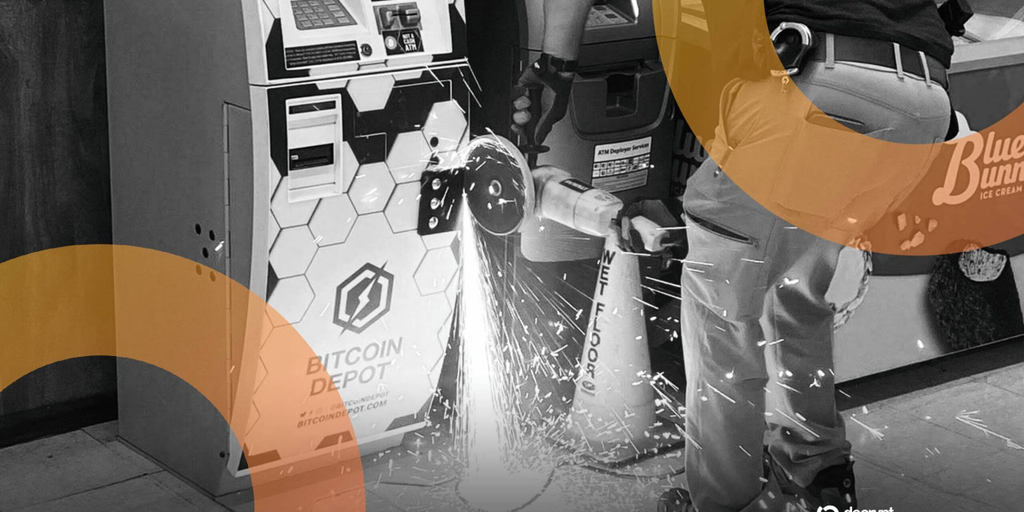
Quick Take
| Key Point | Details |
|---|---|
| Current ATMs | Approximately 4,000 across Canada |
| Global Position | Second only to the U.S. |
| Government Action | Proposal for a sweeping ban on crypto ATMs |
| Potential Impact | Increased regulation, investor sentiment shifts |
Market Context
The Canadian cryptocurrency market has grown exponentially over the past few years, largely buoyed by an increasing number of crypto ATMs that allow users to buy and sell digital currencies with ease. This boom has reflected a global trend, as nations across the world grapple with how to regulate this burgeoning industry.
Current Regulatory Landscape
In Canada, the regulatory environment for cryptocurrencies has been evolving. The Financial Transactions and Reports Analysis Centre of Canada (FINTRAC) has previously mandated that crypto operators register as money services businesses (MSBs) and adhere to strict anti-money laundering (AML) and know-your-customer (KYC) regulations. While this has created a framework for compliance, the proposed ban on crypto ATMs signifies a potential tightening of this regulation.
Comparison with Other Countries
- United States: The U.S. has a much larger number of crypto ATMs, primarily due to a more lenient regulatory framework in many states. However, recent discussions about stricter regulations indicate that the U.S. may also be moving towards more cautious governance.
- European Union: The EU has been pushing for regulations to enhance consumer protection and reduce the risks associated with cryptocurrencies, but they have not implemented broad bans on ATMs.
- Asia: Asian countries have taken various approaches, with some like China enforcing outright bans on cryptocurrency transactions, while others, such as Japan, have embraced them with a robust regulatory framework.
Impact on Investors
The potential ban on crypto ATMs in Canada could have several implications for investors:
1. Liquidity Concerns
- With fewer points of access to buy and sell cryptocurrency, the liquidity in the Canadian market may diminish. This could lead to price volatility as large trades may become harder to execute without significant slippage.
2. Investor Sentiment
- Bans on crypto ATMs may lead to increased apprehension among retail investors, who might view such regulations as a signal of the government's lack of support for digital currencies. This could result in reduced participation in the market, further affecting pricing and investment.
3. Shift to Other Platforms
- Investors may migrate to online exchanges and decentralized finance (DeFi) platforms for transactions. While this could mitigate some liquidity issues, it also raises concerns about security, as not all platforms have the same level of regulatory oversight.
4. Long-term Implications
- If Canada enacts this ban, it may set a precedent for other nations contemplating similar moves. The global perception of cryptocurrencies may shift towards viewing them as high-risk assets, prompting further regulatory scrutiny in other jurisdictions.
Future Outlook
As the Canadian government reviews its stance on crypto ATMs, it is essential for investors to stay informed about these developments. The possible ban reflects broader sentiments regarding the necessity for regulation in the cryptocurrency market, which is often seen as chaotic and unregulated.
Monitoring Developments
Investors should monitor:
- Legislative updates from the Canadian government.
- Reactions from the cryptocurrency community and industry stakeholders.
- The global regulatory landscape, particularly in regions with close ties to Canada.
Opportunities Amid Regulation
While the potential ban may seem like a setback, it can also lead to opportunities in compliance-focused projects and services. Companies that prioritize regulatory adherence could emerge as trusted players in a more controlled environment.
Ultimately, the future of cryptocurrency ATMs in Canada and beyond will depend on the balance between innovation and regulation. As the ecosystem continues to evolve, investors must adapt their strategies accordingly, ensuring they are prepared for whatever regulatory frameworks emerge.