 Go Back


Quick Take
| Key Points | Details |
|---|---|
| Incident | $13M cryptocurrency scam |
| Location | Canada |
| Guilty Plea | Pleaded guilty to fraud |
| Regulatory Response | Increased scrutiny on crypto scams |
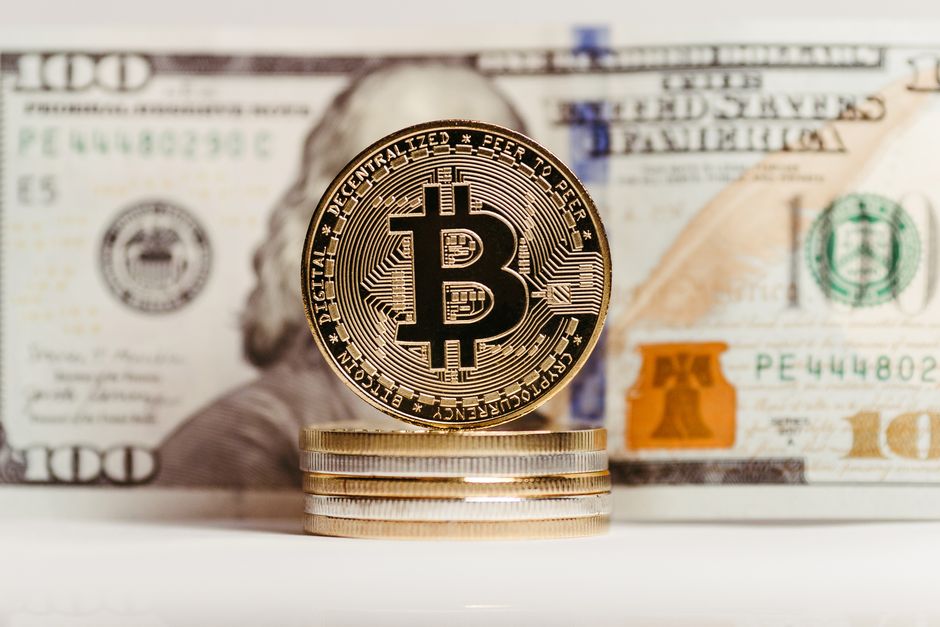
The world of cryptocurrency has been marked by its dramatic rise in popularity and value over the last decade. However, with this rise has come a dark underbelly of scams and fraud that have stained its reputation. A recent case in Canada serves as a poignant reminder of the risks inherent in the cryptocurrency landscape. A Canadian man has pleaded guilty to orchestrating a $13 million cryptocurrency scam, illustrating the challenges faced by regulators and investors alike.
Background of the Scam
In this case, the perpetrator engaged in fraudulent activities that misled investors into believing they were participating in legitimate cryptocurrency investment opportunities. By exploiting the naivety of new investors and leveraging the hype surrounding digital currencies, he managed to accumulate significant sums of money before the scheme was uncovered.
Market Context
- Historical Precedents: This is not the first time that cryptocurrency scams have made headlines. Various Ponzi schemes and fraudulent ICOs (Initial Coin Offerings) have plagued the sector since its inception, leading to billions of dollars lost by unsuspecting investors.
- Current Trends: The cryptocurrency market has shifted dramatically, with increased scrutiny from regulators across the globe. Governments are taking a more proactive stance against scams, which is essential for the long-term health and stability of the market.
- Investor Awareness: The surge of scams has led to greater awareness among investors. However, the lure of quick profits continues to draw people into poorly vetted investment opportunities.
Regulatory Landscape
The case of the Canadian man pleading guilty adds to an ongoing discussion about the need for robust regulatory frameworks that can protect investors while still fostering innovation in the crypto space. Regulatory bodies are faced with the challenge of creating laws that address the unique nature of digital assets without stifling their growth.
- Increased Regulation: This incident may lead to stricter regulations governing cryptocurrency investments. Potential measures could include mandatory licensing for crypto companies and enhanced disclosure requirements to ensure transparency.
- International Cooperation: Cryptocurrency operates on a global scale, and fraudsters often take advantage of jurisdictional gaps. International cooperation among regulators could help in the swift identification and prosecution of scammers.
Impact on Investors
For investors, the implications of this scam extend beyond the immediate loss of funds. It raises several important considerations:
- Trust in the Market: Fraudulent schemes can erode trust in the broader cryptocurrency market. Investors who have been burned by scams may be less willing to engage with legitimate projects, stifling growth.
- Due Diligence Importance: This case underscores the importance of conducting thorough due diligence before investing in any cryptocurrency venture. Investors must scrutinize the legitimacy of projects and be wary of promises of guaranteed returns.
- Potential for Future Scams: As long as there is money to be made, scammers will continue to target the crypto space. Investors must remain vigilant and skeptical of opportunities that seem too good to be true.
Conclusion
The guilty plea of the Canadian man involved in the $13 million cryptocurrency scam is a stark reminder of the risks that accompany the burgeoning crypto market. As regulatory bodies step up their efforts to combat fraud, the onus is on investors to educate themselves and remain informed. Understanding the historical context, market dynamics, and regulatory frameworks will be crucial for navigating this evolving landscape. Only through collective efforts can we mitigate the impact of scams and pave the way for a more secure and prosperous cryptocurrency ecosystem.
Tags
- Cryptocurrency
- Scam
- Regulation
- Canada
- Investor Awareness
- Fraud Prevention