 Go Back


Understanding the Implications of CBDC Ban Until 2030
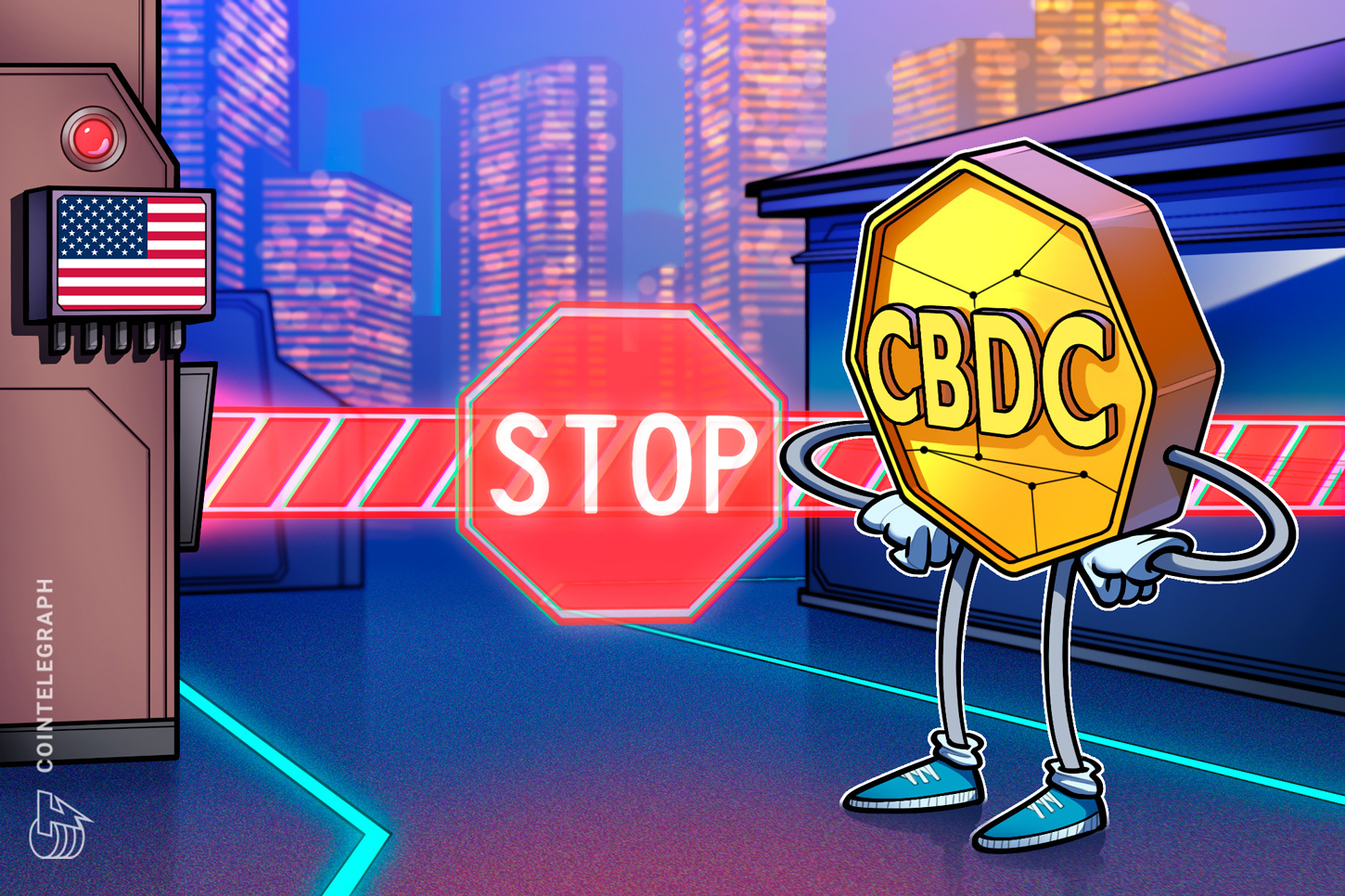
The recent passage of a housing bill in the United States includes a proposal to ban central bank digital currencies (CBDCs) until 2030, pending President Donald Trump's approval. This legislative movement raises significant questions about the future of digital currencies, their regulation, and their influence on the broader financial landscape.
Quick Take
| Aspect | Details |
|---|---|
| Legislation | CBDC ban in housing bill |
| Proposed By | US House of Representatives |
| Pending Approval | President Donald Trump |
| Effective Until | 2030 |
| Impacted Entities | Central banks, fintech firms, consumers |
Market Context
The introduction of CBDCs has been a hot topic among financial institutions and governments worldwide. The U.S. proposal to prohibit CBDCs until 2030 indicates a cautious approach to digital currency adoption, positioning itself in stark contrast to several nations actively exploring or implementing their digital currencies. For instance, countries like China and Sweden have made significant strides in their CBDC projects, with the People's Bank of China leading the way with its digital yuan.
The ban reflects a growing sentiment among U.S. lawmakers concerned about the implications of CBDCs on monetary sovereignty, privacy, and existing fintech ecosystems. While advocates argue that CBDCs could improve the efficiency of payment systems, critics warn of potential overreach and surveillance by central banks.
Implications for the Financial System
- Regulatory Landscape: The ban signals a need for a more defined regulatory framework for digital currencies. The U.S. government appears cautious, likely seeking to understand the long-term implications of CBDCs before allowing their introduction.
- Global Competitiveness: Missing out on CBDC development may hinder the U.S.'s competitive edge in the global financial market. As other countries advance their digital initiatives, the U.S. risks falling behind in adopting innovative financial technologies that could streamline transactions and enhance economic efficiency.
- Private Sector Innovation: The prohibition may inadvertently stifle innovation within the private sector. Fintech companies looking to explore digital currency solutions may find themselves in a regulatory quagmire, forcing them to pivot their strategies or seek opportunities in more favorable jurisdictions.
Impact on Investors
Investors should closely monitor the implications of this ban, as it holds significant ramifications for the cryptocurrency and fintech sectors. Here are some critical points to consider:
- Market Sentiment: The introduction of regulatory measures can lead to increased uncertainty, affecting investor confidence in both cryptocurrencies and related stocks.
- Opportunity for Alternatives: With the CBDC ban, investors may turn to alternative digital assets, including Bitcoin and Ethereum, both of which can offer decentralized solutions to traditional banking.
- Long-Term Planning: Investors should factor in the potential for future regulatory changes. While the current ban may be temporary, evolving market dynamics could prompt a reevaluation of digital currencies by U.S. lawmakers.
- Adoption Rates: The pace of digital currency adoption in other regions could influence U.S. investors' strategies. As countries embrace CBDCs, U.S. investors may seek opportunities abroad to capitalize on emerging markets.
Conclusion
The House's passage of the CBDC ban highlights the U.S. government's cautious approach to digital currencies amid global advancements. While this move may temporarily shield the existing financial systems, it also raises questions about the future trajectory of digital currency development in the United States. Investors and stakeholders in the crypto ecosystem must remain vigilant and adaptable to navigate the evolving landscape of digital finance. The coming years will undoubtedly shape the future of CBDCs and their role within the global economy.
Key Takeaways
- The U.S. is taking a cautious approach to CBDCs with a proposed ban until 2030.
- Other countries are advancing in their CBDC projects, potentially impacting U.S. competitiveness.
- Investors should consider the implications of this ban on their strategies and look for opportunities in alternative digital assets.
Final Thoughts
As the U.S. weighs its approach to digital currencies, the outcome will likely have far-reaching effects on both domestic and international markets. Staying informed will be essential for investors and financial institutions navigating this critical juncture in the evolution of money.