 Go Back


Cerebras Faces Challenges Despite 92% Revenue Surge
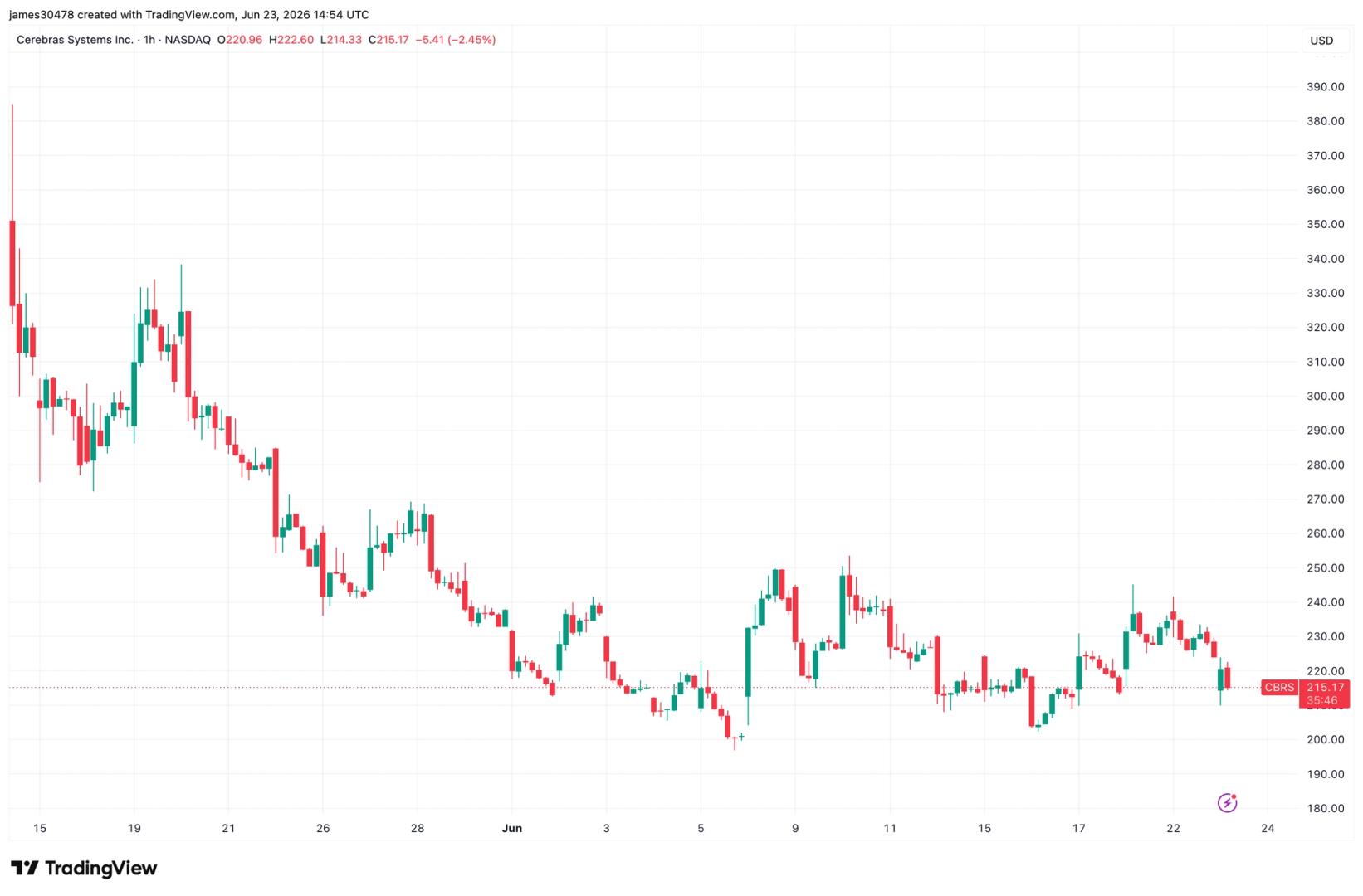
The AI chipmaker Cerebras has recently emerged from its first public earnings report, showcasing impressive growth with a 92% increase in revenue compared to the previous year. However, despite this positive development, the company experienced an alarming 11% drop in stock price following the announcement, which raises questions about the sustainability of its growth and the broader implications for the AI sector and global macroeconomics.
Quick Take
| Metric | Value | Change |
|---|---|---|
| Revenue | Up 92% YoY | Positive Growth |
| Stock Price | Down 11% post-report | Investor Concerns |
| Forecasted Margin | Lower core gross margin | Caution Ahead |
Understanding Cerebras's Position in the AI Market
Cerebras Systems has carved a niche for itself within the rapidly expanding AI hardware sector, primarily known for its innovative wafer-scale engine technology that accelerates machine learning processes. The company has been seen as a key player in supporting the burgeoning demand for AI-driven solutions, especially as businesses increasingly adopt AI for competitive advantage.
Despite the staggering revenue growth, the projected decline in core gross margin poses significant concerns. It suggests that while Cerebras is successfully increasing sales, it may face rising costs or pricing pressures that could hinder profitability. This situation is pivotal for investors and analysts who closely monitor not just the top line but also the efficiency of operations within the company.
Market Context
The backdrop of Cerebras's earnings report is crucial for understanding its implications. The global macroeconomic environment is characterized by volatility, with interest rate hikes and inflation impacting investment flows across various sectors. The technology sector, specifically, has seen a shift in investor sentiment as many companies are reevaluating their growth strategies in light of economic challenges.
Moreover, AI technology is at the forefront of this transformation, with companies like Cerebras benefiting from increased investments in AI research and development. However, as costs rise and competition intensifies, such as the emergence of alternative AI chip manufacturers, maintaining growth while managing expenses becomes ever more critical.
Future Predictions and Strategic Implications
Looking ahead, Cerebras will need to navigate a complex landscape. The anticipated lower core gross margin may necessitate strategic adjustments, including:
- Cost Management: Implementing more stringent cost controls to preserve profitability while scaling operations.
- Product Diversification: Exploring new product offerings within their hardware line to address different segments of the AI market.
- Strategic Partnerships: Collaborating with tech giants or academic institutions to bolster research and expand market reach.
Impact on Investors
For investors, Cerebras's earnings report serves as a dual-edged sword. On one side, the robust revenue growth underscores the company's potential in a lucrative market; on the other side, the dip in stock prices and lower gross margin forecasts induce caution. Investors should consider the following:
- Short-Term Volatility: Expect fluctuations in stock prices as the market digests the earnings report and adjusts expectations.
- Long-Term Viability: Assess the long-term prospects of Cerebras based on its ability to manage costs and innovate within the AI sector.
- Broader Market Trends: Keep an eye on macroeconomic indicators that could affect technology stocks overall, including interest rates and inflation trends.
Conclusion
Cerebras’s first public earnings report showcases the resilience and dynamism of the AI chip market, even as it faces challenges. The impressive revenue growth highlights the increasing importance of AI technologies, while the cautionary outlook on margins indicates the need for strategic focus moving forward. Investors must remain vigilant, balancing the lure of growth against the realities of a shifting economic landscape. Understanding these dynamics will be essential for navigating the complexities of investing in AI and tech companies in the years to come.