 Go Back


Analyzing Federal Control: CFTC Prediction-Market Rules and Their Impact
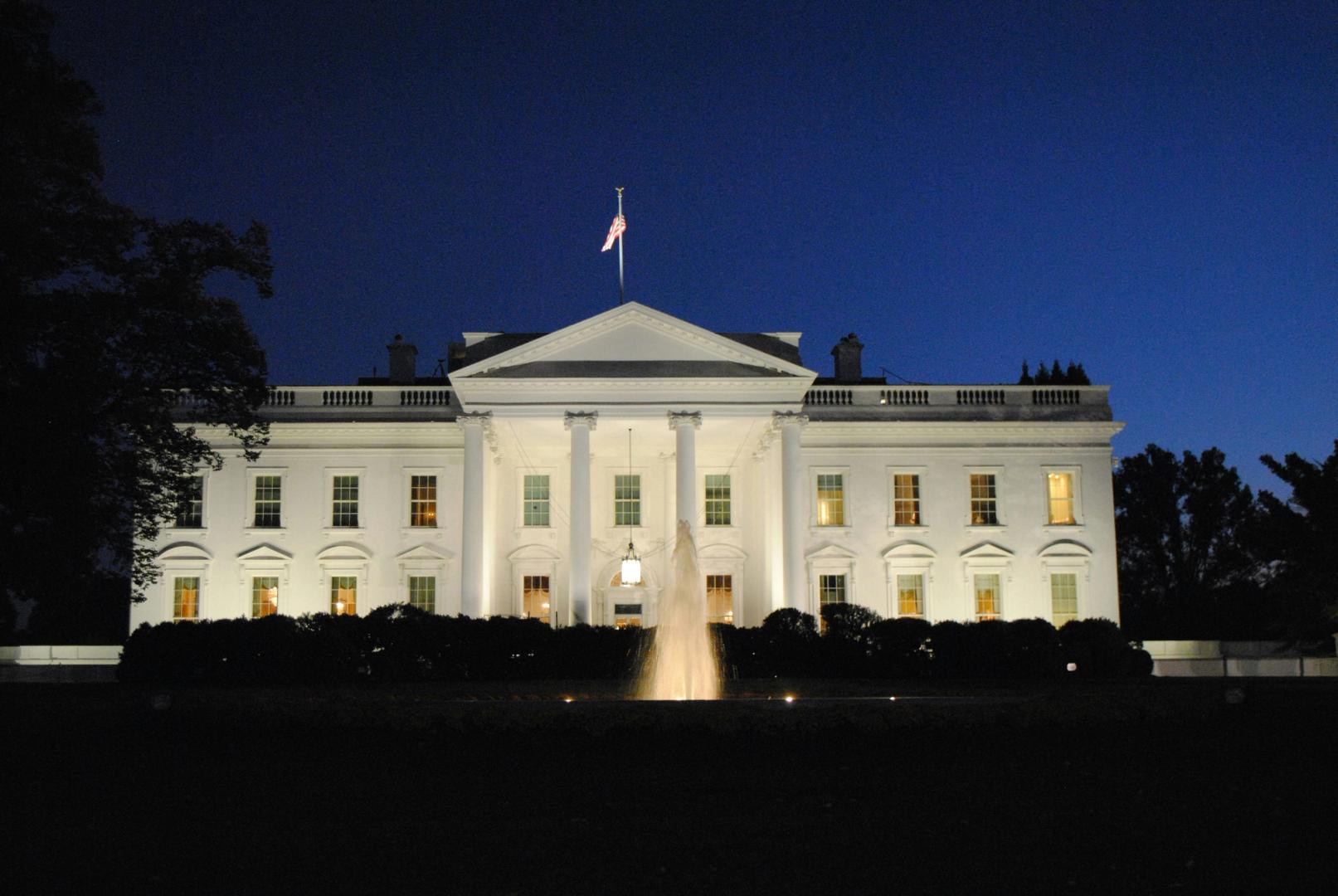
The landscape of prediction markets in the United States could soon experience a seismic shift as the White House reviews proposed regulations by the Commodity Futures Trading Commission (CFTC). This development comes amidst a backdrop of political maneuvering, including endorsements from former President Trump for increased federal oversight. The implications of these regulations may significantly influence how platforms like Kalshi and Polymarket operate, as state-level challenges to the CFTC's authority loom large.
Quick Take
| Aspect | Details |
|---|---|
| Main Focus | CFTC prediction-market regulation |
| Key Platforms Affected | Kalshi, Polymarket |
| Political Context | Trump supports federal control |
| Potential Challenges | State pushback against federal authority |
| Impact on Users | Changes in market operation and potential accessibility |
Market Context
Prediction markets have gained traction over the last decade as platforms enabling users to place bets on the outcome of future events, ranging from political elections to economic indicators. Kalshi and Polymarket have emerged as key players in this sector, offering innovative ways for users to express their views on significant events. However, the current regulatory framework is fragmented, with states asserting their authority over these platforms, often leading to confusion and operational challenges.
The CFTC has historically held jurisdiction over derivatives and futures markets, a mandate that has become increasingly contested as new financial instruments, like prediction markets, blur the lines of traditional classifications. The proposal under review by the White House is pivotal as it may establish a comprehensive federal regulatory framework for these markets, potentially standardizing rules and reducing the complexity of navigating differing state regulations.
Historical Context
The evolution of prediction markets can be traced back to their origins in the early 2000s, with platforms like Intrade paving the way for future innovations. These markets have been credited with offering insights into the likelihood of various events, sometimes performing better than polls or traditional forecasting methods. However, they have often operated in a legal gray area, facing scrutiny and regulatory challenges that have stifled their growth in certain regions.
In recent years, calls for clearer regulations have intensified, particularly as the financial landscape has evolved with the rise of digital currencies and decentralized finance (DeFi). The COVID-19 pandemic and the political turmoil in the U.S. have further catalyzed interest in these markets, highlighting their potential utility in gauging public sentiment and forecasting outcomes.
SWOT Analysis
Strengths
- Informed Decision-Making: Prediction markets provide data-driven insights into public sentiment and event outcomes.
- User Engagement: Platforms like Kalshi and Polymarket have created communities of engaged users who actively participate.
Weaknesses
- Regulatory Uncertainty: The fragmented legal landscape hampers growth and can deter potential users from participating.
- Public Perception: There is still a stigma around betting markets that can affect user trust and engagement.
Opportunities
- Standardization of Regulations: A federal framework could simplify operations and enhance trust in prediction markets.
- Expansion of Use Cases: Regulatory clarity could allow for the development of new markets, increasing user engagement and investment.
Threats
- State-Level Legislation: Ongoing challenges from states could hinder the ability of platforms to operate smoothly and may create a patchwork of regulations.
- Political Backlash: Misunderstandings about the nature of prediction markets could lead to increased regulation or pushes for outright bans.
Impact on Investors
For investors, the looming regulatory changes pose both risks and opportunities. A clear federal framework may foster greater participation from institutional investors who have been hesitant due to regulatory ambiguities. On the flip side, heightened regulation may impose restrictions that could limit the variety of markets available to investors.
The involvement of significant political figures, such as Trump, in advocating for federal control adds another layer of complexity. Political endorsement can sway public opinion and influence regulatory outcomes, which in turn can affect investor sentiment significantly. Investors must remain vigilant to adapt to these changes, particularly if state-level challenges persist or if federal regulations impose stringent compliance requirements.
Conclusion
As the CFTC's proposed rules undergo scrutiny, the future of prediction markets hangs in the balance. The outcome of this regulatory review will not only determine how platforms like Kalshi and Polymarket operate but will also shape the broader landscape of event-based markets in the U.S. With political influences at play and potential for significant changes, stakeholders must prepare for a period of evolution that could redefine the boundaries of prediction markets in America. The interplay between state and federal authority will be crucial in determining the direction of these innovative platforms, making it essential for investors to stay informed and agile in their strategies.