 Go Back

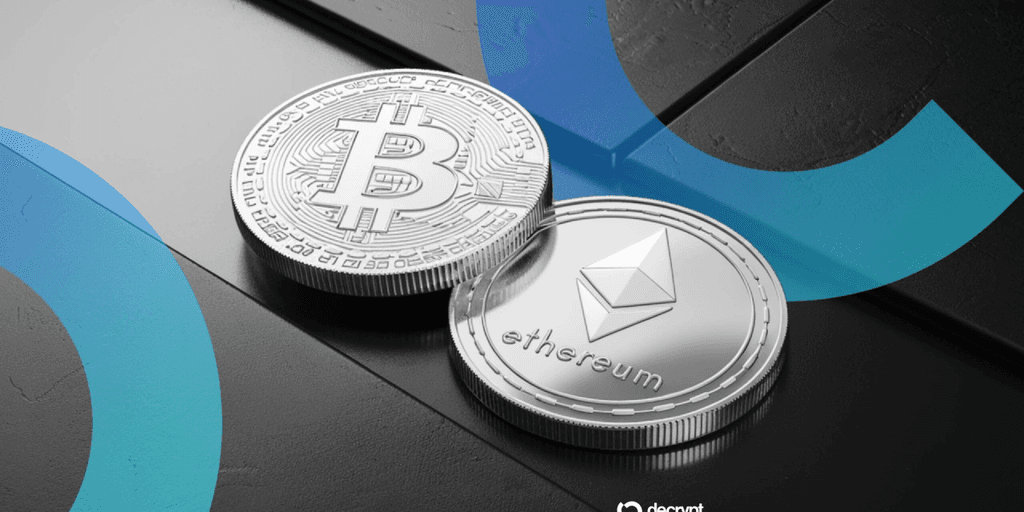
Charles Schwab Embraces Bitcoin and Ethereum Trading for Users
Charles Schwab, one of the most established financial institutions in the United States, has taken a significant step by allowing selected users to trade Bitcoin and Ethereum directly within their investment accounts. This move opens up new avenues for retail investors, who can now diversify their portfolios with cryptocurrencies alongside traditional assets.
Quick Take
| Key Highlight | Details |
|---|---|
| Company | Charles Schwab |
| New Offering | Bitcoin and Ethereum trading |
| Target Users | Selected US users |
| Market Impact | Increased accessibility for retail investors |
| Future Implications | Could signal a broader adoption of crypto in traditional finance |
Market Context
The inclusion of cryptocurrencies like Bitcoin and Ethereum in the offerings of a major brokerage firm like Charles Schwab signals a pivotal moment in the integration of digital currencies into traditional financial systems. Historically, cryptocurrencies have been viewed with skepticism by institutional investors and traditional financial advisors. However, as the market matures and the demand for crypto exposure grows, major players are beginning to adjust their strategies.
- Institutional Interest: The last few years have seen a growing acceptance of cryptocurrencies by institutional players. Companies like MicroStrategy and Tesla have made significant allocations to Bitcoin, which has contributed to its legitimacy in the eyes of the public.
- Regulatory Environment: The regulatory landscape has gradually become clearer, allowing financial institutions to operate with more confidence. This shift is critical for firms like Charles Schwab, which requires adherence to stringent regulations.
- Technological Adaptation: The advancements in blockchain technology and security protocols have made it easier for traditional financial institutions to integrate crypto trading. This technological evolution has paved the way for firms to incorporate digital assets more securely and efficiently.
Impact on Investors
The move by Charles Schwab to allow users to trade Bitcoin and Ethereum presents a new wave of opportunities and challenges for investors.
Opportunities
- Diversification: Retail investors can now diversify their portfolios without needing separate accounts on cryptocurrency exchanges. This integration simplifies the investment process and reduces complexity.
- Increased Accessibility: Schwab's user-friendly platform is known for its accessibility, which can attract new investors who may have felt intimidated by the crypto space.
- Credibility: Trading through a reputable brokerage lends credibility to cryptocurrencies, potentially attracting more traditional investors who were previously hesitant.
Challenges
- Volatility: While the accessibility to Bitcoin and Ethereum enhances investment opportunities, it also brings the volatility associated with these assets. Investors must remain aware of the risks involved.
- Lack of Control: Some investors prefer holding their cryptocurrencies in wallets rather than through custodial services provided by brokerages. This can limit the control they have over their assets.
- Market Dynamics: The influx of traditional investors may lead to changes in market dynamics, potentially impacting price movements in ways that are not yet fully understood.
Future Predictions
The decision by Charles Schwab to integrate cryptocurrencies into its offerings may have broader implications for the financial services industry.
- Trend of Adoption: Other financial institutions may follow suit, leading to widespread adoption of cryptocurrency trading on established platforms. This could further legitimize cryptocurrencies in the eyes of the mainstream market.
- Increased Innovation: As traditional firms embrace crypto, we could see increased innovation in financial products and services related to digital assets, such as crypto-managed funds and retirement accounts.
- Evolving Regulatory Framework: With the growing interest from major financial players, regulators may accelerate the development of clearer guidelines for cryptocurrencies, providing more protection and fostering trust among investors.
Conclusion
The launch of Bitcoin and Ethereum trading by Charles Schwab marks a noteworthy moment in the ongoing convergence of traditional finance and the cryptocurrency market. By making these digital assets accessible to retail investors, Schwab not only enhances its service offerings but also helps in bridging the gap between traditional investment vehicles and the burgeoning world of digital currencies. As the market evolves, it will be interesting to observe how this integration influences investor behavior, market dynamics, and regulatory approaches in the years to come.