 Go Back

China’s Ban on Bitchat: A Look at Global Protest Tools
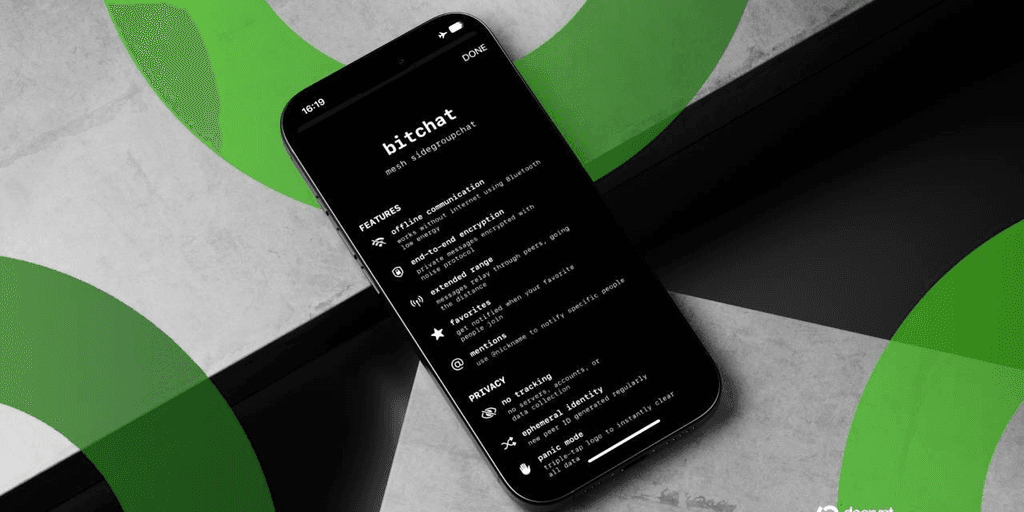
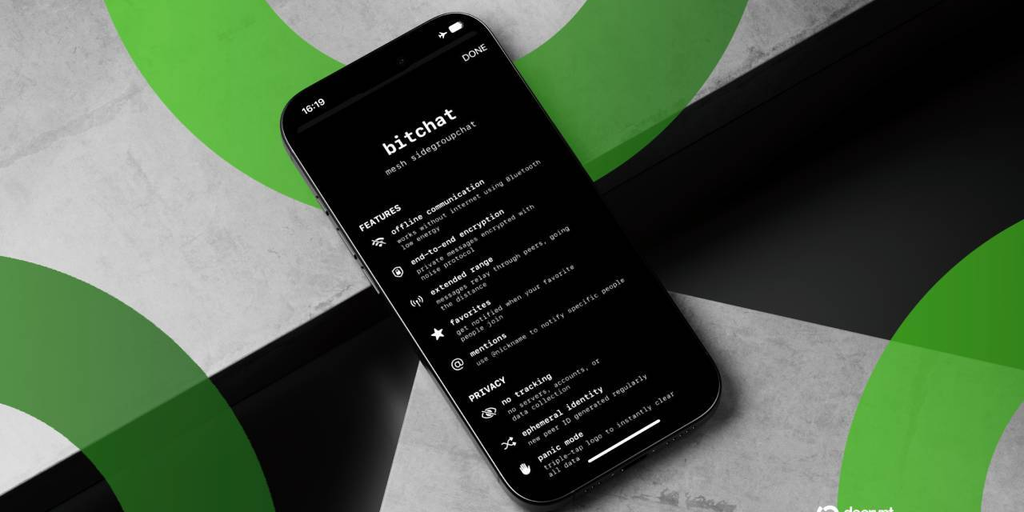
In a significant move, China has ordered the removal of Jack Dorsey’s peer-to-peer messaging app, Bitchat, from the Apple App Store. This app has been a lifeline for protestors in countries like Nepal, Madagascar, and Iran, allowing secure and decentralized communication. As we peel back the layers of this situation, let’s dissect the good, the bad, and the ugly of Bitchat's ban in the context of global macroeconomic factors and future implications for decentralized applications (dApps).
Quick Take
| Aspect | Details |
|---|---|
| App | Bitchat |
| Developer | Jack Dorsey |
| Ban Reason | Government regulation and control over communication |
| Countries Affected | Used in Nepal, Madagascar, Iran, and others |
| Impact on Users | Reduced access to secure communication tools for protestors and activists |
The Good: Empowering Voices
Bitchat provides a decentralized platform for users to communicate without government oversight. In regions where freedom of speech is stifled, such tools become essential for organizing movements and protest actions. For example, during protests in Iran, Bitchat has reportedly been used to coordinate efforts and share information securely among activists.
Additionally, the very nature of decentralized applications like Bitchat means that they are difficult to suppress entirely, even if a ban is enforced in one country. Users can often find alternative means of accessing and deploying these technologies, such as VPNs or other app stores.
The Bad: Regulatory Backlash
While enabling freedom of expression, the ban highlights the growing tension between technology companies and governments worldwide. China’s crackdown on Bitchat reflects a broader trend where nations are increasingly asserting control over digital platforms, often in the name of national security. This could discourage developers from creating decentralized applications that could disrupt the status quo, ultimately stifling innovation.
Moreover, as governments worldwide tighten their grip on technology, users may face increased surveillance, making it harder to communicate freely. This could lead to a chilling effect where potential protestors may be deterred from speaking out against oppressive regimes.
The Ugly: Implications for Innovation
The fallout from China’s ban on Bitchat extends beyond the immediate implications for protestors. The incident raises questions about the viability of decentralized applications in the current geopolitical climate. As countries like China impose stringent regulations, other nations may follow suit, leading to a fragmented digital landscape.
Such fragmentation could potentially stifle cross-border collaboration and the exchange of ideas, essential components for technological advancement. Developers may be forced to navigate a minefield of regulations that vary enormously from one country to another, possibly leading to less innovation and fewer tools available to those who need them most.
Market Context
The current market environment for decentralized applications is tumultuous. On one hand, there is strong demand for privacy-focused tools as users become increasingly aware of their digital footprint. On the other hand, regulatory challenges like China's ban are becoming more frequent, suggesting that innovation in this space will not be without its hurdles.
As nations wrestle with the implications of decentralization, it seems likely that we will see ongoing clashes between governments and technology companies. The outcome of these struggles could shape the future landscape of not just apps but the very nature of communication in a globalized world.
Impact on Investors
For investors in the blockchain and dApp space, the situation poses a unique conundrum. On one side, the demand for privacy-focused applications is growing, which could lead to increased valuations for companies involved in such technologies. On the other side, heightened regulations could lead to a more cautious approach from venture capitalists and institutional investors, potentially slowing the influx of capital into this innovative space.
Investors should keep a close eye on regulatory developments globally. Companies that can effectively navigate these challenges while addressing user demand for privacy and security may be best positioned for growth.
Future Predictions
As we move forward, it is likely that the conflict between decentralized applications and regulatory frameworks will intensify. We might see a wave of innovation aimed at creating more resilient platforms, capable of withstanding government pushback. The rise of blockchain technology could also pave the way for new forms of secure communication that don’t rely on traditional app stores, making them less susceptible to bans.
In conclusion, the ban on Bitchat serves as a microcosm of the larger battle between freedom and control in the digital age. As the world becomes increasingly interconnected, the tools we use for communication will play an integral role in shaping the future of protests, governance, and civil liberties.