 Go Back

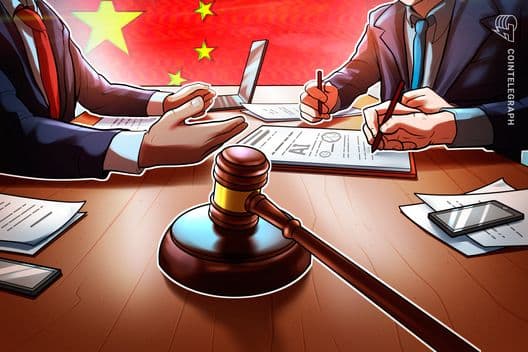
China’s Supreme Court Explores Rules for Crypto and AI Cases
As the world continues to grapple with the implications of cryptocurrency and artificial intelligence, China's Supreme People’s Court has announced plans to study adjudication rules specifically for these sectors. This move comes in the backdrop of China's strict crypto ban, raising questions about the future of digital currency and AI innovations within the country.

Quick Take
| Aspect | Details |
|---|---|
| Context | China’s Supreme Court to study rules for crypto and AI. |
| Status | Ongoing crypto ban remains in force. |
| Potential Impact | Could redefine legal frameworks for digital assets. |
| Future Outlook | Long-term implications for crypto adoption in China. |
Market Context
China has held a complex relationship with cryptocurrency. Despite being a pioneer in blockchain technology, the government has been resistant to the decentralized nature that cryptocurrencies embody. The ban on crypto activities was instituted to safeguard its financial system and curb speculative practices among residents. However, the potential of blockchain technology and emerging AI capabilities cannot be ignored.
The Supreme Court's initiative to formulate specific rules for crypto and AI cases signifies a possible shift in the regulatory landscape. This could imply that the government is starting to recognize the importance of these technologies in the future economic framework while still maintaining a cautious approach.
SWOT Analysis
Strengths
- Technological Development: The establishment of adjudication rules could foster a more robust legal framework that encourages innovation in AI and blockchain.
- Regulatory Clarity: Clear guidelines can promote investor confidence and attract legitimate businesses back into the formal economy.
Weaknesses
- Inconsistent Policies: The ongoing crypto ban creates a paradox where rules are being formulated for an industry that is still illegal, causing confusion and potential legal pitfalls.
- Limited Participation: The restrictive environment could stifle local talent and innovation in AI, pushing them to more crypto-friendly jurisdictions.
Opportunities
- Collaborative Innovation: Establishing legal standards can pave the way for partnerships between AI and blockchain sectors, leading to new advancements.
- Market Stabilization: A clearer regulatory framework can lead to increased market stability, thereby attracting foreign investment.
Threats
- Global Competition: Other countries are rapidly embracing crypto and AI, which could put China at a disadvantage in the global tech race.
- Technological Stagnation: If regulations become too stringent, it may hinder the growth of these sectors, pushing innovative companies to relocate.
Impact on Investors
For investors, the Supreme Court's initiative could be seen as a double-edged sword. On one hand, the establishment of legal frameworks may enhance the security of investments in the digital asset space in the long run. On the other hand, the current ban signifies regulatory risk, potentially deterring cautious investors.
Furthermore, the evolving landscape may invite a mixed response from international investors who may be wary of entering a market where fundamental regulatory uncertainties still exist. The balancing act for the government lies in fostering a conducive environment for innovation while ensuring financial stability.
Conclusion
As China's Supreme People’s Court prepares to delve into the complexities of adjudicating cases involving crypto and AI, the implications of this decision could be significant. While the ongoing ban adds layers of complexity, the potential for developing a clear legal framework might signal an openness to innovation that is often associated with leading global economies. Investors, technologists, and regulatory bodies alike will be watching closely as the outcomes of these discussions unfold, which could ultimately reshape the digital landscape in China and beyond.