 Go Back


Quick Take
| Aspect | Details |
|---|---|
| Legislation | Clarity Act |
| Current Status | Awaiting Senate attention |
| Key Challenge | Competing legislative priorities |
| Potential Outcome | Uncertain, hinges on Congressional calendar |
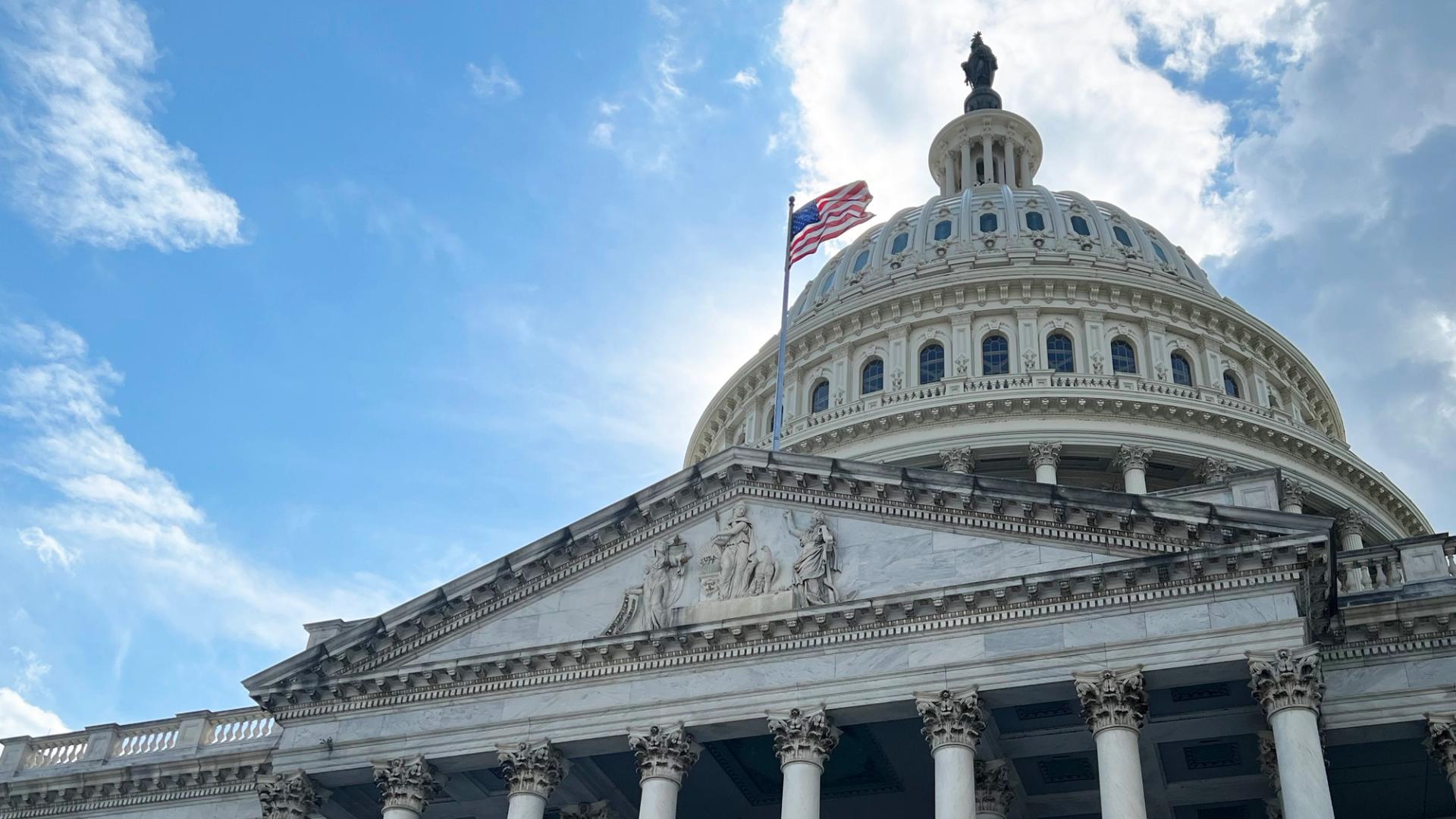
The Clarity Act has emerged as a significant piece of legislation aimed at providing regulatory clarity for cryptocurrencies in the United States. As the legislative calendar dwindles, the fate of this act is increasingly tied to the broader priorities of Congress. This blog post examines the implications of the Clarity Act, its current status, and the potential impact on the crypto market structure.
What Is the Clarity Act?
The Clarity Act is proposed legislation intended to establish a clear regulatory framework for digital assets, addressing uncertainties that have plagued the crypto sector for years. By defining cryptocurrencies and their classification, the act aims to create a more predictable environment for investors, developers, and businesses operating in this space.
Why Does the Clarity Act's Survival Depend on Other Congressional Work?
Legislative Competition
With a limited congressional calendar, various bills and legislative priorities vie for attention and floor time in the Senate. The Clarity Act faces stiff competition not only from other crypto-related initiatives but also from broader legislative agendas, including infrastructure, healthcare, and national security measures. This competitive landscape raises the stakes for crypto legislation, as delays or setbacks could hinder the act's progress.
Implications for the Crypto Market
The uncertainty surrounding the Clarity Act has significant implications for the cryptocurrency market. Investors and companies thrive in stable regulatory environments, and without clarity, they may hesitate to engage fully with digital assets. This uncertainty can stifle innovation and lead to increased volatility.
Market Context
The broader economic climate also plays a crucial role in shaping the context for the Clarity Act. As central banks worldwide grapple with inflation and interest rate adjustments, the crypto market has witnessed heightened scrutiny. Governments are increasingly concerned about the potential for cryptocurrencies to undermine traditional financial systems, leading to calls for tighter regulations.
Recent Trends in the Crypto Market
- Increased Regulatory Scrutiny: Regulatory bodies are actively monitoring crypto exchanges and ICOs, raising compliance costs for businesses.
- Institutional Investment: Despite the challenges, institutional interest in cryptocurrencies remains strong, with many firms allocating significant resources to blockchain technology and digital assets.
- Innovation in DeFi: Decentralized finance (DeFi) platforms continue to attract users, further complicating the regulatory landscape.
Impact on Investors
Investor Sentiment
The uncertainty surrounding the Clarity Act, combined with the broader economic conditions, has led to a mixed sentiment among investors. On one hand, many view the potential for clearer regulations as a positive development that could foster long-term growth. On the other hand, the risk of stringent regulations looms large, leading some to adopt a cautious approach towards investing in cryptocurrencies.
Short-Term vs. Long-Term Outlook
- Short-Term: In the immediate future, we may see increased volatility in crypto prices as news surrounding the Clarity Act and other regulatory developments emerge.
- Long-Term: Should the Clarity Act pass and provide the promised regulatory framework, it could lead to a more stable environment for cryptocurrencies, encouraging broader adoption and investment in the sector.
Conclusion
The Clarity Act stands at a critical juncture, battling for attention amidst a crowded legislative calendar. Its survival is not just a matter of navigating the intricacies of congressional politics; it also reflects broader economic contexts and investor sentiment towards crypto. As the U.S. Senate prioritizes its agenda, the outcome of this act could significantly shape the landscape of the cryptocurrency market for years to come.
By keeping a close eye on these developments, stakeholders in the crypto industry can better prepare for potential changes in the regulatory framework and market dynamics.