 Go Back


Coinbase's Base Resumes Operations: Implications for Investors
Coinbase's blockchain platform, Base, recently faced a significant challenge when a consensus problem led to a two-hour outage, temporarily halting all operations. The event has sparked discussions within the crypto community regarding the stability and reliability of blockchain networks, especially those associated with large exchanges like Coinbase. 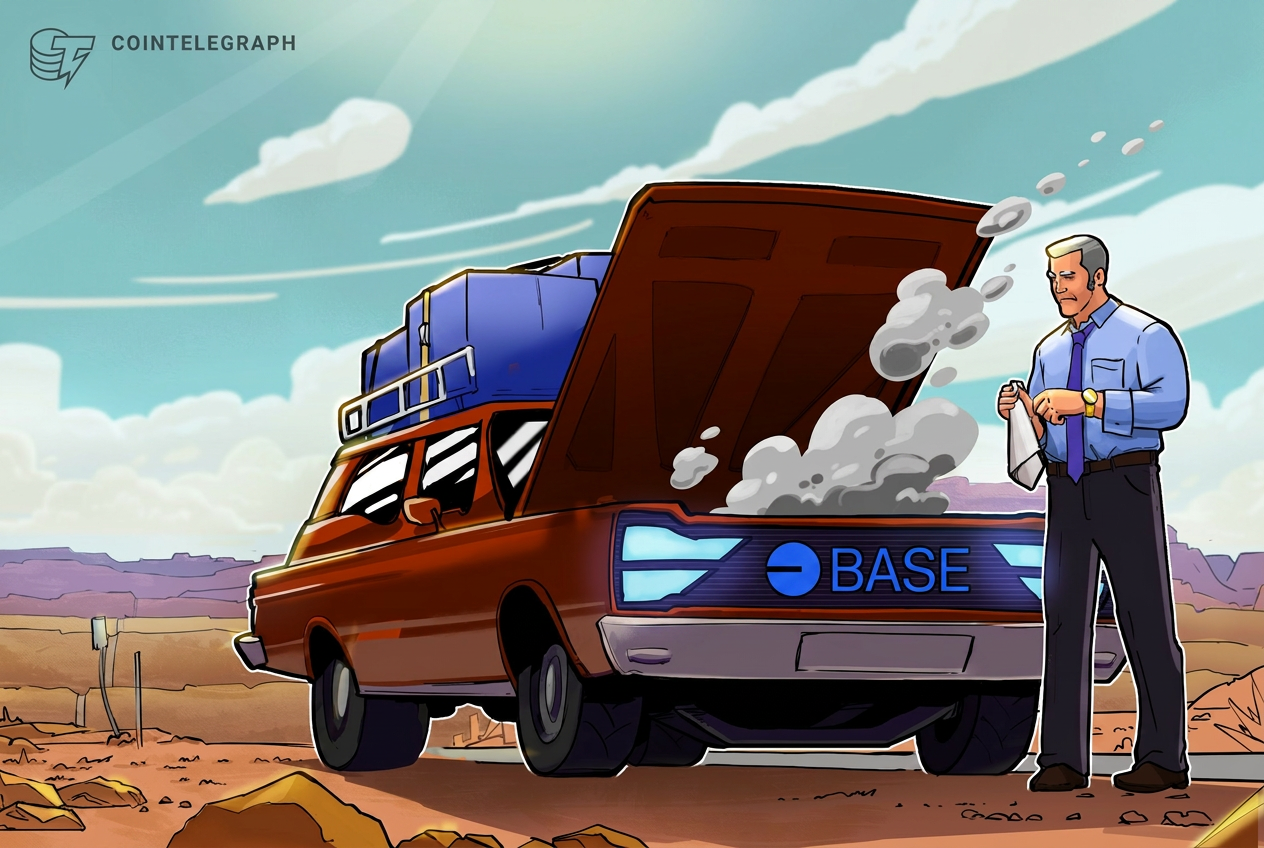
Quick Take
| Aspect | Details |
|---|---|
| Event | Coinbase's Base network outage |
| Duration | Approximately 2 hours |
| Cause | Consensus failure |
| Impact | Temporary halt in block production and transaction processing |
| Resumption | Network back online shortly after issue was resolved |
What Happened During the Outage?
The outage on Coinbase's Base blockchain was attributed to a consensus issue, a critical component of any blockchain that ensures all participants agree on the current state of data. This incident raised alarms among users and industry observers, who have come to expect high reliability from platforms backed by major companies like Coinbase.
Market Context
The recent outage highlights the fragile nature of blockchain infrastructures, even those supported by established entities. High-profile incidents like these are not just technical setbacks; they resonate throughout the market, influencing investor confidence and market movements.
Historically, blockchain outages have had a cascading effect on associated tokens and the broader cryptocurrency market. For instance, when Ethereum faced issues with the London hard fork, its native token (ETH) experienced volatility in the short term, despite the inherent long-term value proposition of its technology. Similarly, the Base incident could lead to short-lived market perturbations.
Coinbase, being one of the largest cryptocurrency exchanges, is closely watched by both retail and institutional investors. An outage like this may catalyze a reassessment of risk, especially considering the growing focus on decentralized finance (DeFi) solutions that promise greater resilience and user autonomy. As market players weigh the pros and cons of centralized versus decentralized solutions, this incident serves as a pivotal moment for decision-making.
Impact on Investors
Investors must consider several factors following the Base outage. Here’s a breakdown of what could be at stake:
1. Trust in Centralized Platforms
- An outage can undermine the trust that users have in centralized exchanges. Investors may reconsider their asset allocations or shift towards decentralized alternatives that promise greater uptime and fewer disruptions.
2. Market Volatility
- The immediate aftermath of such outages often leads to volatility, as users rush to liquidate positions in response to news. Investors should brace for price swings as the market reacts to the news.
3. Long-Term Strategy Re-evaluation
- Incidents like these can prompt a re-evaluation of long-term strategies. Investors may need to assess their risk tolerance and consider diversifying their portfolios to include more resilient assets or projects.
4. Potential Opportunities
- Despite the downsides, outages can also present buying opportunities. If the market reacts negatively, savvy investors might find discounted assets ripe for accumulation, especially if they believe in the long-term viability of the affected platform.
5. Regulatory Implications
- As incidents become more frequent, regulatory bodies may step in to impose stricter rules on exchanges. Investors should remain informed about potential regulations that could impact market operations and their investments.
Looking Ahead: Future Predictions
The Coinbase Base outage illustrates a crucial point in the evolution of blockchain technology and its adoption. While this incident was relatively short-lived, it is a stark reminder of the challenges that centralized systems face in providing uninterrupted services.
As more users migrate to blockchain technologies, the demand for reliability and uptime will only grow. This pressure may lead to improved protocols that can withstand such consensus failures. In the long term, we could see the emergence of hybrid solutions that combine the reliability of centralized systems with the robustness of decentralized options.
Investors should keep an eye on developments in the blockchain space, especially those that focus on enhancing operational resilience. Innovations such as cross-chain functionalities, enhanced consensus mechanisms, and better monitoring tools could reshape the landscape, influencing where capital flows in the future.
In summary, the two-hour outage of Coinbase's Base not only acts as a wake-up call regarding operational dependability but also presents a fertile ground for strategic discussions among investors seeking to navigate the complexities of the crypto environment. Keeping abreast of such events will be crucial for making informed decisions in this rapidly changing market.