 Go Back

Crypto Assaults in France: A Macro Perspective on Security Risks
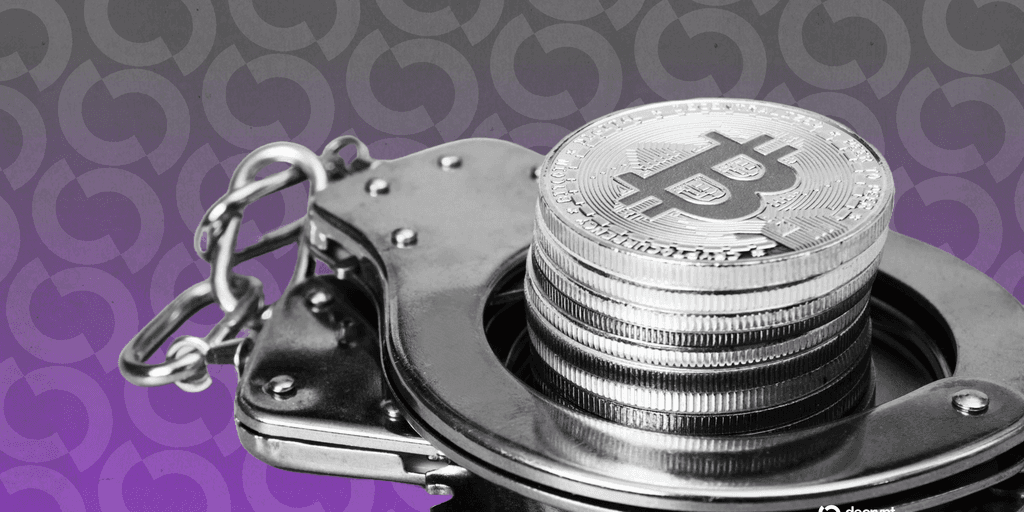
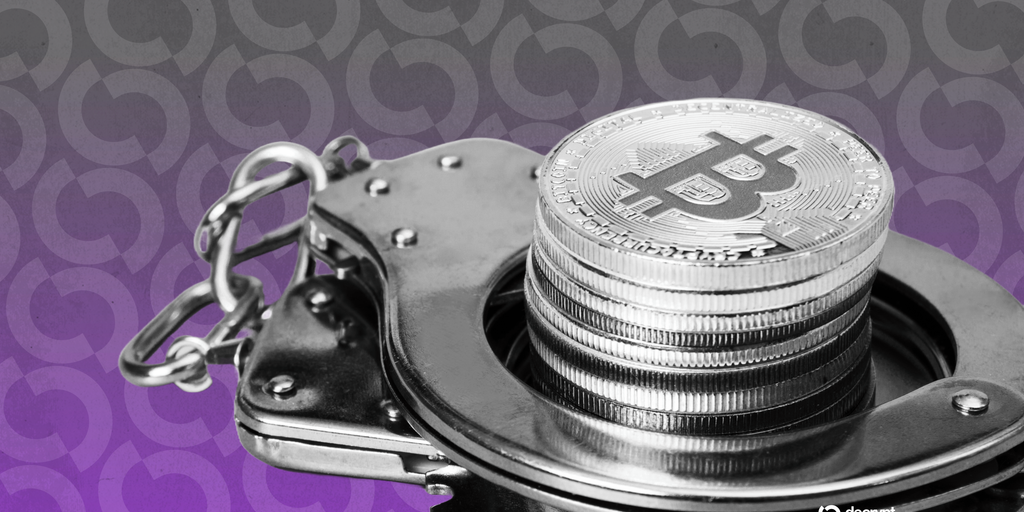
The recent indictment of an individual involved in a brazen crypto-related assault in France highlights a worrying trend in the intersection of cryptocurrency and crime. This incident, where attackers posed as police officers, is part of a larger pattern of violent robberies linked to the burgeoning crypto market. Understanding the implications of these incidents is crucial for investors and stakeholders in the cryptocurrency ecosystem.
Quick Take
| Aspect | Details |
|---|---|
| Incident Type | Wrench attack involving crypto assets |
| Location | France |
| Attackers’ Tactic | Posing as police officers |
| Broader Trend | Rise in violent assaults in crypto space |
| Implications for Investors | Heightened security concerns and regulatory scrutiny |
The Good, the Bad, and the Ugly
The Good
One could argue that the indictment of perpetrators involved in crypto crimes serves a vital role in deterring future criminal activities. By prosecuting individuals engaged in these sophisticated assaults, law enforcement sends a clear message that such consequences await those who exploit the digital currency space for nefarious purposes. Furthermore, as these incidents receive media attention, they can potentially galvanize regulators to create more stringent security frameworks that protect investors and their assets.
The Bad
On the flip side, these violent incidents underscore a darker reality within the cryptocurrency realm. The increased prevalence of such attacks reflects the vulnerabilities associated with the lack of physical safeguards for digital assets, particularly those held in private wallets. The potential for high-value rewards continues to attract criminals, leading to a cycle of violence that could tarnish the public perception of cryptocurrencies. Investors and the general public may develop an aversion to cryptocurrencies due to fears about personal safety and asset security.
The Ugly
The ugliness of these attacks extends beyond physical violence; they also serve to highlight the broader systemic issues within the crypto market. The rapid rise of decentralized finance (DeFi) and ease of access have democratized crypto investments but also contributed to an environment where educated criminals can exploit weaknesses. The need for investor education on the risks and best practices for securing assets becomes increasingly essential as these incidents proliferate. Moreover, the potential for increased regulatory pressures could stifle innovation while simultaneously attempting to enhance security.
Market Context
The global cryptocurrency market has experienced exponential growth over the last decade. As per data from CoinMarketCap, the total market capitalization of cryptocurrencies has surged from just $17 million in April 2013 to over $2 trillion by 2021. This explosive growth has not only attracted legitimate investors but also a myriad of opportunistic criminals seeking to exploit the inherent vulnerabilities of the space.
In France specifically, the growing number of crypto users—reported to be over 5 million—has alarmed law enforcement agencies and regulators alike. The French government has made strides in regulating the crypto market, yet the impact of recent violent attacks raises questions about the adequacy of current measures. The perception of cryptocurrencies as a potential safe haven for illicit activities may lead to stricter regulations, which can stifle innovation while attempting to curb crime.
Impact on Investors
For investors, the rise in violent assaults linked to cryptocurrency raises significant concerns. The psychological impact of attacks can lead to a decline in public trust and a hesitancy to engage with digital assets, particularly for newcomers. Additionally, as regulatory bodies respond to increased crime, investors may face more stringent compliance measures, impacting the ease of access to trading platforms and investment opportunities.
Moreover, these incidents highlight the importance of security practices for individual investors. Utilizing hardware wallets, employing multi-signature technology, and maintaining vigilance about personal safety become paramount in the current environment.
The discourse around security in the cryptocurrency space is likely to evolve further, shaping how investors protect their assets and engage with the market. As incidents prompt regulatory responses, the balancing act between fostering innovation and ensuring safety will be crucial for the industry’s future.
Conclusion
The indictment related to the recent crypto 'wrench attack' in France serves as a crucial reminder of the ongoing risks associated with the rapidly evolving cryptocurrency landscape. While efforts to enhance security and regulatory frameworks may emerge from this incident, it remains essential for investors to stay informed and proactive in protecting their assets. Ultimately, the cryptocurrency community must work collectively to address these vulnerabilities and ensure a safer investing environment as the market matures.