 Go Back


Crypto Bill Amendments: Navigating the Future of U.S. Regulation
The ongoing discussions surrounding the U.S. crypto market structure bill have ignited a fervor of debate among lawmakers, industry experts, and investors alike. With the Senate hearing approaching, the introduction of numerous amendments aimed at altering the bill's text indicates a critical juncture for cryptocurrency regulation in the United States. The potential changes have raised questions about the future of digital assets and the regulatory landscape that governs them.
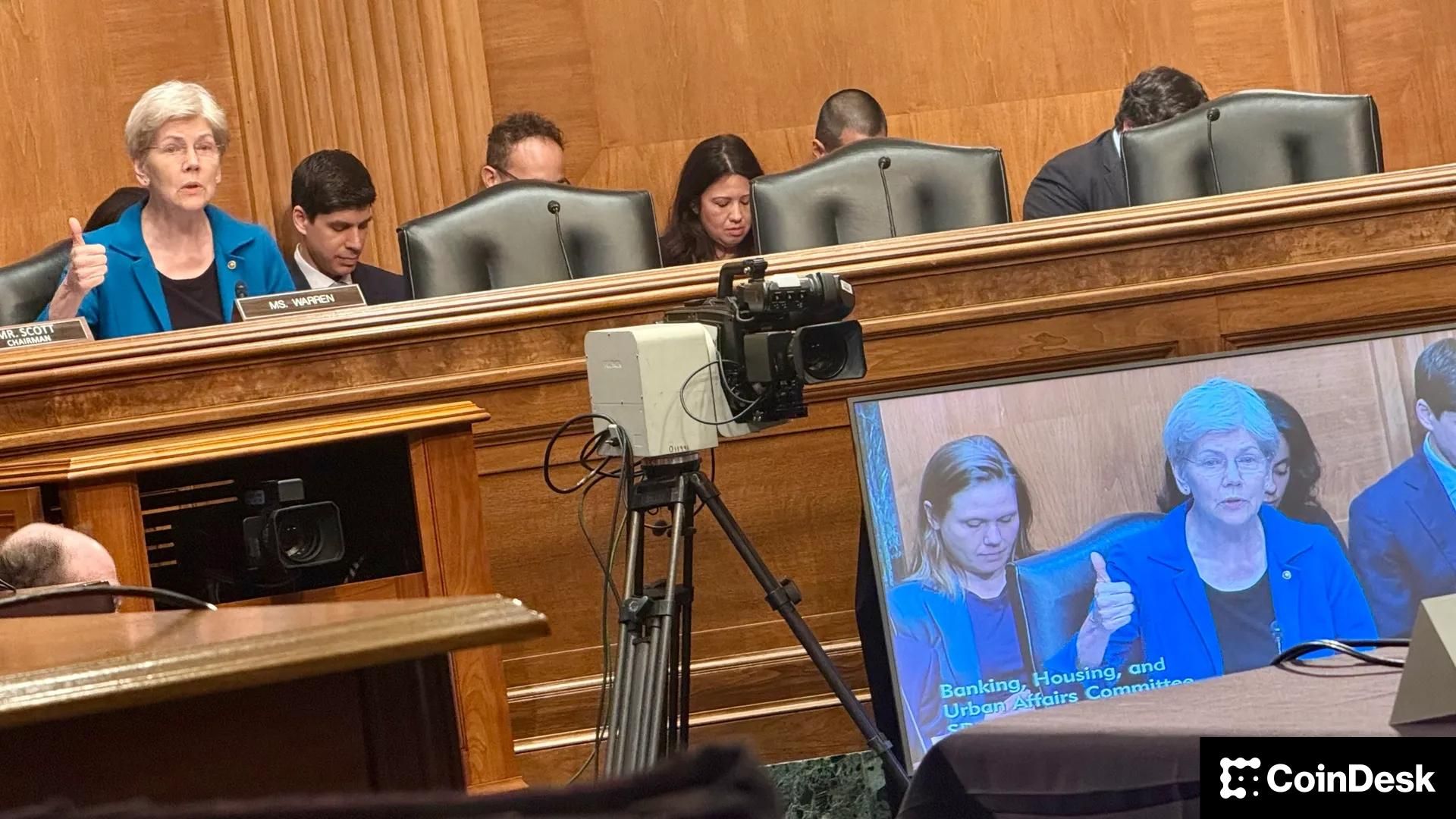
Quick Take
| Aspect | Details |
|---|---|
| Current Status | Amendment proposals for the U.S. crypto bill |
| Key Focus | Alterations to core regulatory frameworks |
| Legislative Timeline | Senate hearing imminent |
| Market Reaction | Mixed expectations; uncertainty prevails |
| Potential Impact on Investors | Varies based on final provisions and implementation |
Current Landscape of the Crypto Bill
The Clarity Act, as it's being referred to, was initially welcomed as a step towards providing clearer guidelines for digital asset regulation in the U.S. This bill aims to address the ambiguity that has plagued the crypto market for years, setting a structured approach to how cryptocurrencies and blockchain technologies can operate under federal law. However, as amendments flood in from various stakeholders, the essence of the original bill could shift dramatically.
The main thrust of the proposed amendments involves substantial changes to key components of the bill, including how different types of digital assets are classified, the regulatory responsibilities assigned to agencies, and the implications for existing platforms and new entrants in the crypto space.
Historical Context of Crypto Regulation
To fully understand the significance of the proposed amendments, it's imperative to consider the historical context of cryptocurrency regulation in the United States. Since Bitcoin's introduction in 2009, regulatory bodies have struggled to define and apply existing financial laws to this rapidly evolving sector. Initial attempts were marked by confusion and inconsistency, with various states adopting their own regulations, leading to a patchwork that made compliance challenging for firms operating across state lines.
The introduction of the Clarity Act was intended to unify these efforts and provide a federal framework. However, the amendments reflect a broader concern among stakeholders about the implications of overly stringent regulations that might stifle innovation and competition in the crypto space.
Market Context
The cryptocurrency market has shown resilience despite ongoing regulatory uncertainty. Bitcoin, Ethereum, and other altcoins have demonstrated their capacity for recovery and growth, even in tumultuous conditions. However, the anticipation of regulatory clarity is a double-edged sword. On one hand, clearer regulations could foster greater institutional adoption of cryptocurrencies; on the other, harsh standards could dissuade new investors and firms from entering the space.
As such, the market's reaction to the proposed amendments will be crucial. Investors are currently weighing the potential impacts of these changes, with many adopting a wait-and-see approach. The specter of increased regulation can lead to volatility in cryptocurrency prices, as witnessed in response to past regulatory announcements.
Potential Outcomes of the Amendments
The proposed amendments could lead to several outcomes:
- Increased Compliance Requirements: If the amendments tighten the regulations further, companies may face enhanced compliance burdens.
- Market Consolidation: Stricter regulations could inadvertently benefit larger, established players while sidelining smaller firms unable to bear the costs of compliance.
- Investor Sentiment Shift: A more robust regulatory framework could instill confidence among institutional investors, potentially leading to increased capital inflow into the crypto market.
Impact on Investors
For investors, the impending changes to the U.S. crypto bill and the subsequent amendments present both challenges and opportunities. Here are some key considerations:
- Volatility Predictions: Investors should brace for potential price fluctuations in response to the unfolding regulatory landscape. Market sentiment is often responsive to news regarding legislation.
- Long-term Strategy Adjustments: Investors might need to reassess their strategies based on the final version of the bill. A more secure regulatory environment could lead to bullish trends, while excessive restrictions may prompt a reevaluation of asset allocations.
- Diversification Importance: Given the potential for increased regulation, diversifying portfolios to include a mix of traditional and digital assets could mitigate risks associated with sudden market shifts.
Conclusion
As the Senate hearing approaches and the amendments to the Clarity Act are discussed, the future of cryptocurrency regulation in the U.S. hangs in the balance. The actions taken now could define the operational landscape for years to come, making it imperative for investors and stakeholders to stay informed and engaged. The evolution of this bill will not only shape the regulatory framework but also the future trajectory of the cryptocurrency market itself.
Tags
- U.S. Regulation
- Crypto Market
- Clarity Act
- Digital Assets
- Legislative Amendments