 Go Back


Crypto Cash Fuels Political Shifts: A New Era in Congress?
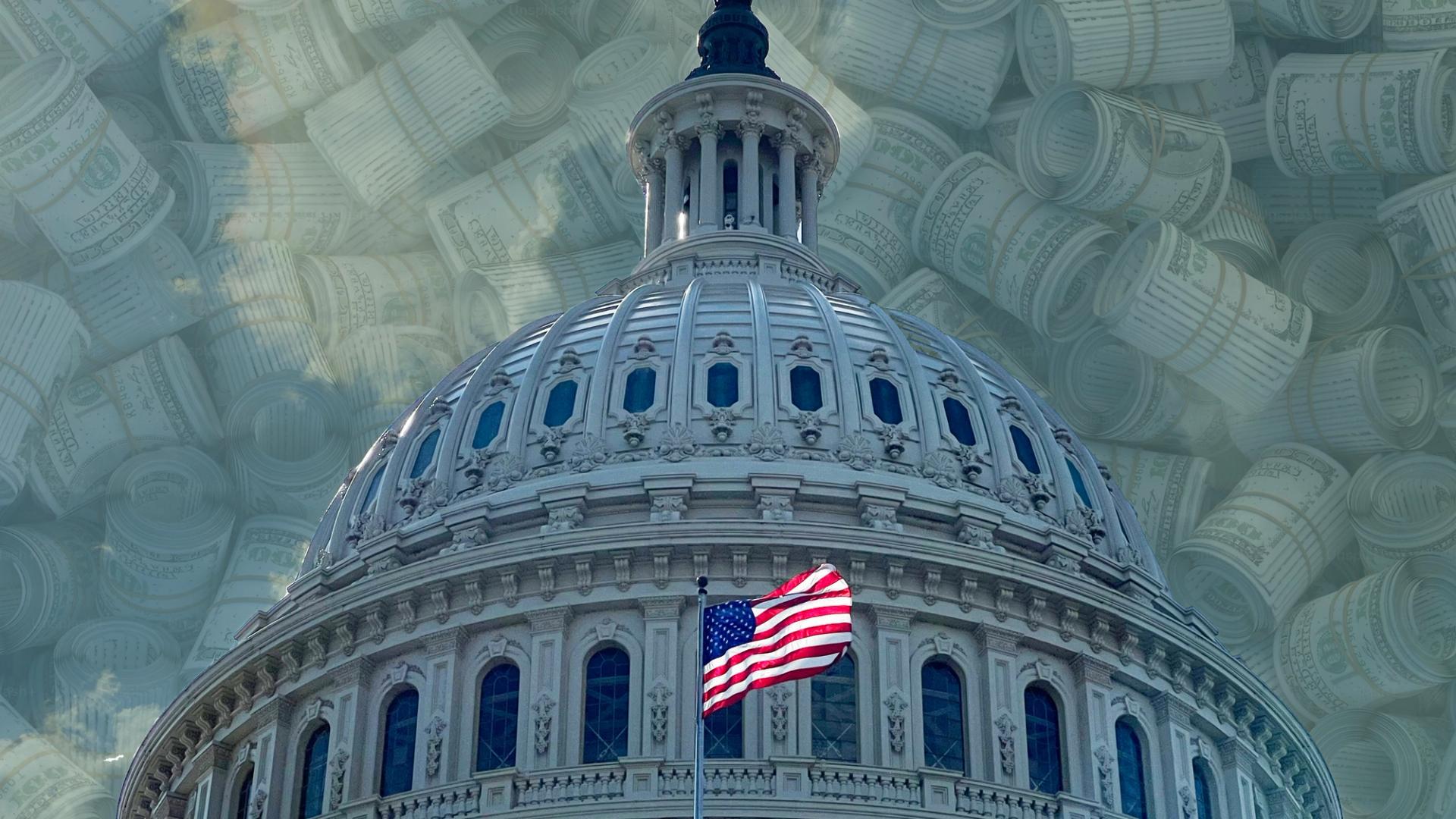
The cryptocurrency industry is experiencing significant political momentum, particularly as some political action committees (PACs) pivot their strategies towards a more Republican-centric approach. This shift comes amidst a backdrop of recent victories in various states, including Texas, where crypto proponents have successfully influenced local legislation. With the growing presence of crypto cash in politics, the implications for future regulatory frameworks and investor confidence are profound.
Quick Take
| Aspect | Details |
|---|---|
| Political Focus | Shift towards Republican support |
| Recent Wins | Legislative successes in Texas and other states |
| Industry Impact | Potential changes in regulatory landscape |
| Investor Sentiment | Growing confidence as political backing increases |
The Landscape of Crypto Political Action Committees (PACs)
Political action committees have become a vital component of the cryptocurrency industry's strategy to shape regulatory landscapes. Traditionally, many crypto PACs adopted a bipartisan approach, aiming to appeal to a wide array of lawmakers across the political spectrum. This strategy allowed for a balanced representation and support for crypto-related initiatives from both sides of the aisle.
However, recent developments suggest a tactical shift. As certain PACs begin to concentrate their efforts on securing Republican allies, the landscape of crypto lobbying is poised for a significant transformation. This move can be attributed to the perception that Republican lawmakers are becoming increasingly favorable towards cryptocurrency, especially in light of the party's emphasis on deregulation and economic innovation.
Historical Context of Crypto Legislation
The cryptocurrency sector has faced a fluctuating regulatory environment since its inception. Early skepticism from regulators often left the industry vulnerable to stringent policies that hindered growth. Over the years, as cryptocurrencies gained traction, so too did the push for more favorable legislation.
Historically, events catalyzing this change included:
- 2017-2018 ICO Boom: This period marked significant regulatory scrutiny and the establishment of clearer guidelines by the SEC.
- 2020 Presidential Election: With different candidates presenting varying views on cryptocurrency, the election served as a catalyst for crypto advocacy.
- Post-COVID Economic Recovery: The pandemic heightened discussions about digital currencies as tools for economic resilience, particularly in Republican circles looking for innovative solutions.
Market Context
As the political landscape evolves, so does the market. The increasing alignment of crypto PACs with Republican lawmakers is reflective of broader trends in market sentiment. Investors are observing these shifts with keen interest, as they could signal forthcoming legislative changes that may favor the industry.
- Regulatory Clarity: A Republican-friendly Congress could lead to reduced regulatory burdens, potentially accelerating adoption and innovation within the crypto space.
- Legislative Support for Blockchain Initiatives: With more allies in Congress, there could be a stronger push for pro-blockchain legislation, benefiting startups and established companies alike.
- Increased Investment: As political support solidifies, investor confidence may soar, further driving capital towards crypto projects.
Impact on Investors
The implications of this political pivot are significant for investors in the cryptocurrency market.
Increased Confidence
The alignment of crypto interests with powerful political allies often translates to a more favorable regulatory environment. Investors might find reassurance in the prospect of less stringent regulations, leading to a more predictable landscape for investment and innovation.
Potential Risks
However, this shift also poses risks. Solely aligning with one political party could alienate some constituents and lead to backlash from opposing parties, which might retaliate through regulatory measures if they regain power. Furthermore, policy changes could be unpredictable, depending on the political climate and the prevailing sentiments within Congress.
Long-Term Projections
Looking ahead, the continuing evolution of crypto PAC strategies will likely remain a topic of considerable interest. As the industry grows and matures, the political affiliations of these PACs may adapt in response to broader societal shifts and economic conditions. Furthermore, as cryptocurrency becomes more integrated into mainstream financial systems, its political influence is expected to expand, possibly altering the contours of political campaigns and legislative agendas.
Conclusion
The current trajectory of cryptocurrency political action committees indicates a strategic realignment towards Republican representation, coinciding with legislative victories in states like Texas. As the industry navigates this new political terrain, investors must remain vigilant, weighing the potential benefits of a more favorable regulatory environment against the risks associated with the inherent volatility of political affiliations. Ultimately, the interplay between cryptocurrency and politics will continue to shape the market's future, making it a critical area for ongoing observation and analysis.