 Go Back


Understanding the DOJ's Charges Against Chinese Nationals in Crypto Scam
The recent charges brought forth by the U.S. Department of Justice (DOJ) against two Chinese nationals involved in an overseas cryptocurrency scam highlight the intersection of crime, cryptocurrency, and the global economy. As the crypto market continues to evolve, incidents like these raise questions about regulation, investor protection, and the broader implications for the digital currency landscape.
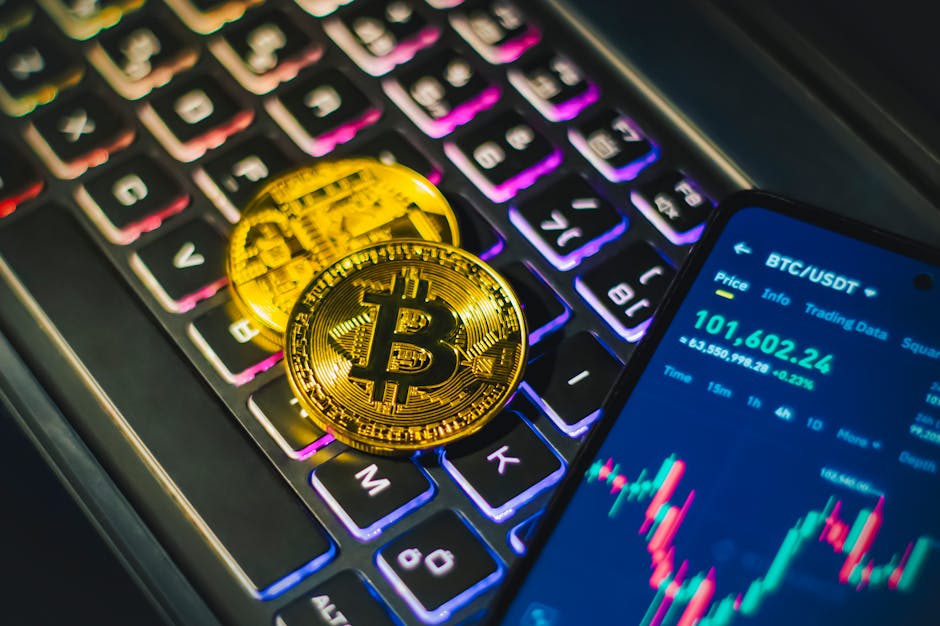
Quick Take
| Aspect | Details |
|---|---|
| Charges Filed | Two Chinese nationals charged by DOJ |
| Nature of Scam | Overseas cryptocurrency fraud |
| Potential Impact | Regulatory scrutiny and investor confidence |
| Market Sentiment | Concern over security and legitimacy in crypto markets |
The Good, the Bad, and the Ugly
The Good
The prosecution of fraudulent activities in the cryptocurrency space is a step in the right direction for the industry. By holding individuals accountable for their actions, the DOJ is sending a clear message that illegal activities will not be tolerated. This could foster a more secure environment for legitimate investors, potentially boosting confidence in cryptocurrencies as a whole. Furthermore, as regulatory bodies take a firmer stance, we might see clearer guidelines and frameworks emerge, allowing for broader adoption and innovation within the space.
The Bad
On the flip side, the increased regulatory scrutiny that follows such indictments can lead to a chilling effect on legitimate projects. Potential investors may become wary, fearing association with the negative connotations of crime in the crypto sector. Additionally, the complexity and pace of the cryptocurrency market mean that many innovative projects could be stifled by overregulation, impacting the overall growth of the industry.
The Ugly
The implications of scams like this one extend beyond individual losses. As scams proliferate, they contribute to the negative perception of the cryptocurrency market, leading to increased skepticism from traditional financial institutions and potential investors. This lack of trust can stifle investment and development, creating a vicious cycle that complicates the push for mainstream adoption.
Market Context
The crypto market operates in a complex global economy where regulatory clarity is increasingly imperative. The DOJ's recent actions illustrate the vulnerabilities that exist within this financial ecosystem, particularly as more individuals are drawn to the potential profits that cryptocurrencies offer.
The market has experienced significant volatility in recent months, influenced by global macroeconomic factors such as inflation rates, interest rate adjustments, and geopolitical tensions. Scams, like the one involving the accused Chinese nationals, underscore the vulnerabilities that come with rapid growth in the sector without adequate oversight.
Investors must remain vigilant and informed, recognizing that while the potential for profit is high, so too is the risk of encountering scams. Robust regulatory frameworks could help mitigate these risks, but as history shows, the balance between regulation and innovation is delicate.
Impact on Investors
For investors, the implications of the DOJ's charges are twofold. On one hand, the crackdown on fraud can serve to enhance the legitimacy of the industry, as it signals a commitment from authorities to protect consumers. On the other hand, the ongoing concerns regarding scams can lead to increased anxiety and caution among potential investors.
In light of these charges, investors should consider the following strategies:
- Enhanced Due Diligence: Investors must conduct thorough research on projects and teams before committing capital. Understanding who is behind a project can provide insights into its legitimacy.
- Diversification: Spreading investments across various assets can help mitigate risk. Relying heavily on one cryptocurrency or project increases exposure to potential scams.
- Stay Informed: Keeping abreast of regulatory changes and news regarding scams is crucial. Knowledge empowers investors to make informed decisions and spot potential red flags.
Conclusion
The recent indictment of two Chinese nationals in a cryptocurrency scam by the DOJ reinforces the critical need for regulatory measures in the crypto space. While it is encouraging to see action taken against fraud, the broader implications for the market and investors are complex. Balancing regulation with innovation will be key to ensuring a healthy environment for cryptocurrency to thrive. As the landscape continues to evolve, investors must remain vigilant, informed, and adaptable to navigate the challenges and opportunities the crypto world presents.