 Go Back

Crypto Leaders Optimistic Ahead of Major Clarity Act Vote
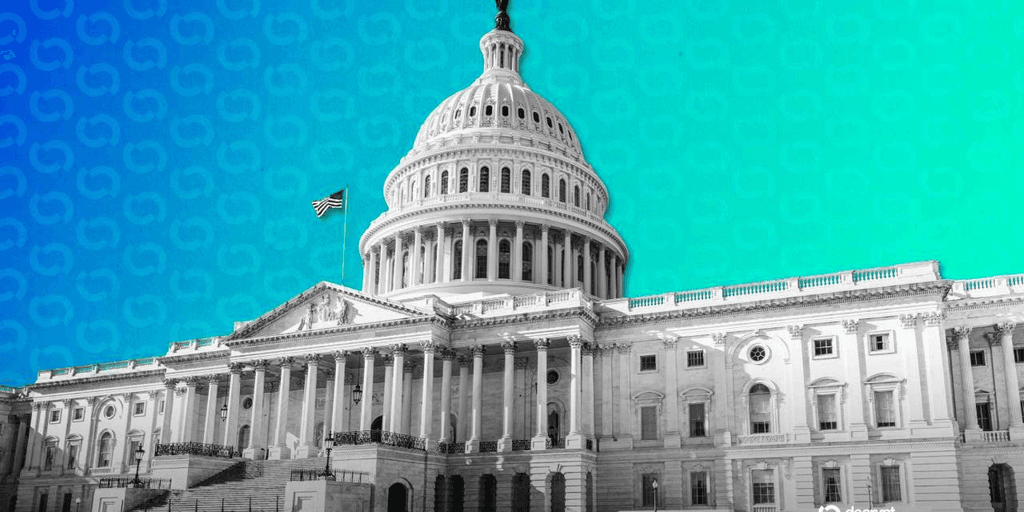
The momentum within the crypto sector is palpable, with leaders expressing unprecedented confidence as the Senate Banking Committee prepares for a pivotal vote on the Clarity Act. This bill aims to create a more structured regulatory framework for the cryptocurrency industry, signalling a potential shift from uncertainty to clarity in the regulatory landscape. 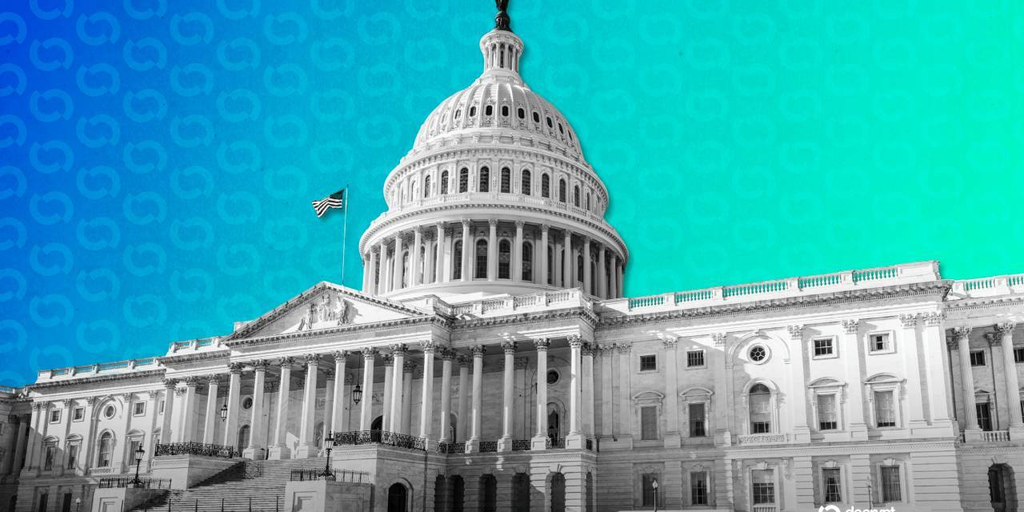
Quick Take
| Key Points | Details |
|---|---|
| Senate Vote Date | Scheduled for Thursday |
| Current Market Sentiment | High confidence among crypto leaders |
| Purpose of the Clarity Act | Establish clear regulations for cryptocurrencies |
| Potential Impact on Industry | Could boost institutional investment and innovation |
| Key Stakeholders | Crypto companies, investors, and lawmakers |
The Importance of the Clarity Act
The Clarity Act represents a significant legislative effort aimed at defining and categorizing cryptocurrencies in a manner that aligns with traditional financial regulations. The bill seeks to eliminate much of the ambiguity that has surrounded the classification of assets in the crypto sphere. By providing clarity on legal definitions, the act aims to foster an environment conducive to innovation and investment.
Historically, regulatory uncertainty has been a major barrier to mainstream adoption of cryptocurrencies. For years, crypto firms have operated in a gray area, often facing inconsistent regulatory treatment across different jurisdictions. The Clarity Act seeks to standardize these regulations at the federal level, which could lead to increased trust from investors and institutions alike.
Market Context
The current state of the cryptocurrency market is characterized by a mixture of optimism and cautious speculation. According to recent data, Bitcoin and Ethereum prices have shown resilience even amidst macroeconomic headwinds, indicating a robust underlying demand. The recent bullish sentiment among crypto leaders can be attributed to several factors:
- Institutional Interest: More institutions are moving toward allocating funds in cryptocurrencies, recognizing their potential as an alternative asset class.
- Technological Advancements: Innovations such as Layer 2 solutions and decentralized finance (DeFi) applications are enhancing the appeal of cryptocurrencies.
- Public Awareness: Increased media coverage and public interest are driving more individuals to explore cryptocurrency investment.
The Clarity Act is expected to bolster this growing momentum, as clear regulations would likely reduce the legal risks associated with cryptocurrency investments, enticing more institutional players into the market.
Impact on Investors
For investors, the Clarity Act could represent a watershed moment for the crypto market. Here are several key implications:
- Increased Confidence: With clearer regulatory guidelines, investors may feel more secure in their investments, potentially leading to higher capital inflows into the sector.
- Market Stability: The establishment of regulations could result in a more stable market environment, mitigating extreme volatility that has often plagued the crypto space.
- Investment Opportunities: A well-defined regulatory framework could pave the way for new investment vehicles, such as crypto ETFs, thus expanding the investment landscape for retail and institutional investors alike.
- Innovation Boost: By removing regulatory roadblocks, the Clarity Act could foster innovation, leading to the development of new products and services that benefit investors.
Looking Ahead
As the Senate Banking Committee prepares to cast its vote, the outcome will serve as a bellwether for the future of cryptocurrency regulation in the United States. A favorable vote could lead to a more structured framework that empowers businesses and protects consumers, while also promoting economic growth.
In contrast, a setback could prolong the regulatory uncertainty that has hindered the industry, causing potential volatility in the market. Thus, all eyes will be on the Senate this Thursday, as the fate of the Clarity Act—and the future of the cryptocurrency market—hangs in the balance.
In summary, the Clarity Act is not just a legislative proposal; it represents the hopes and aspirations of a maturing industry eager for recognition and stability. Whether this pivotal vote will catalyze a new era of regulatory clarity or usher in further uncertainty remains to be seen, but the enthusiasm from crypto leaders suggests that the sector is ready for change.