 Go Back


Crypto Market Meltdown: Airstrikes Trigger Long Liquidations
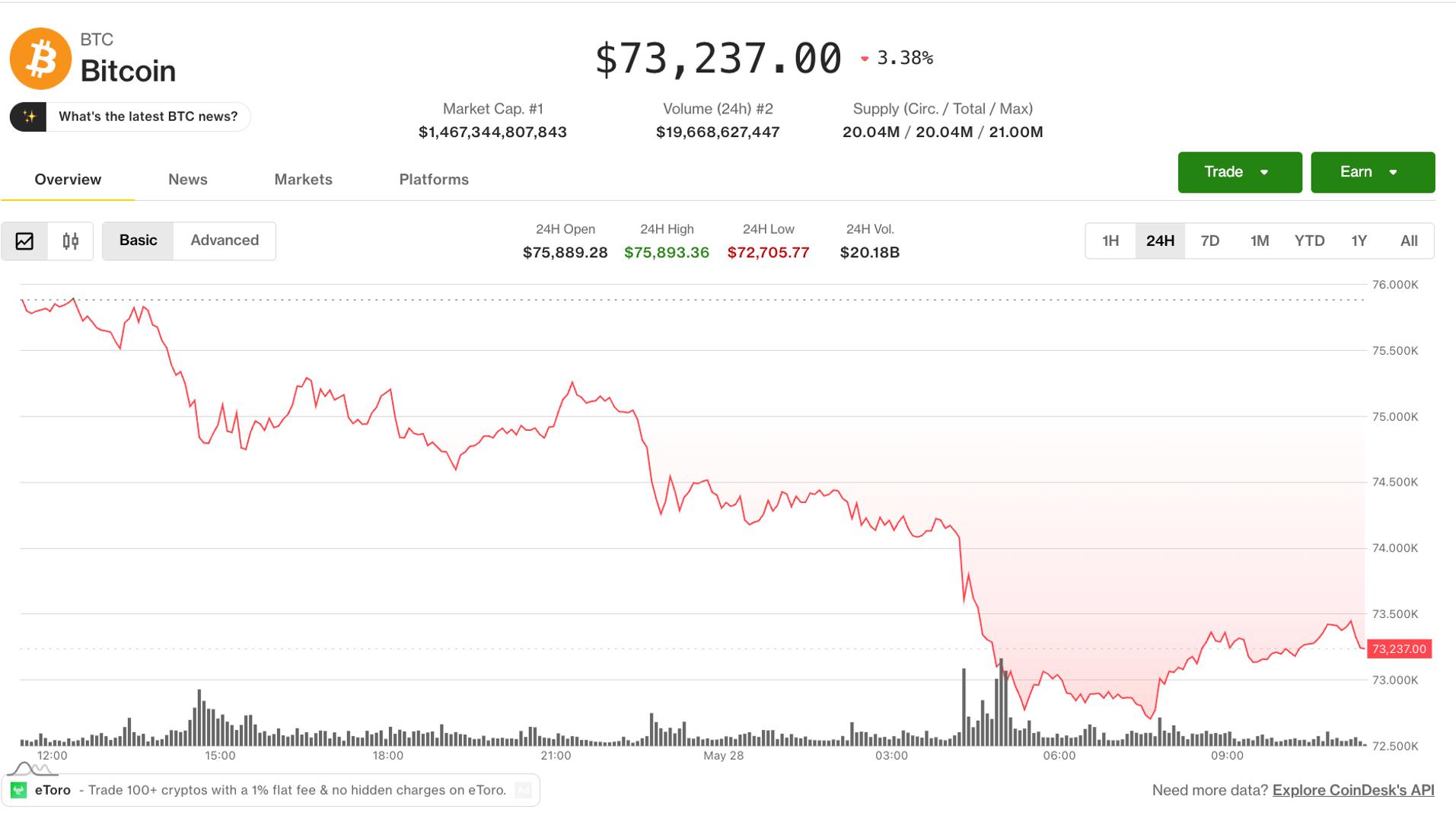
The crypto scene is buzzing, and not in a good way! This week, the market took a major hit as Bitcoin (BTC) plunged to levels we haven't seen since mid-April, and Ethereum (ETH) broke below the crucial $2,000 mark. What happened? Well, U.S. airstrikes in the Strait of Hormuz sent shockwaves through the global economy, fueling inflation fears and triggering a liquidation spree that saw nearly $900 million wiped off leveraged longs. This ain't just another dip; it’s a wake-up call for traders and investors worldwide.
Quick Take
| Metric | Value |
|---|---|
| BTC Price | Lowest since April 13 |
| ETH Price | Dipped below $2,000 |
| Total Long Liquidations | $897 million |
| Market Sentiment | Bearish |
The Current Landscape
The crypto market isn’t a stranger to volatility, but this recent downturn has sent traders scrambling. With BTC testing its support levels and ETH struggling to maintain the $2,000 barrier, it’s clear that the airstrikes have triggered more than just political anxiety. The interplay between geopolitical events and market performance has never been more evident.
Historical Context
To understand the full impact of these airstrikes, we need to look back at previous instances where geopolitical tensions have influenced crypto prices. For instance, in early 2020, fears around escalating U.S.-Iran conflicts led to similar market fluctuations. Investors often react by pulling funds from riskier assets, and cryptocurrencies are no exception.
Market Context
With inflation already a hot topic globally, the airstrikes added fuel to the fire. Traders speculate that increased military actions could lead to supply chain disruptions and further inflationary pressures. Here’s how it plays out:
- Risk Aversion: Investors tend to shy away from riskier assets like crypto during geopolitical turmoil. This trend is reflected in the growing number of liquidations.
- Inflation Hedge: Bitcoin was originally created as a hedge against inflation. However, when fear grips the market, even the most optimistic projections can be overshadowed by immediate concerns.
- Liquidity Crunch: With nearly $900 million in long liquidations, we may see a liquidity crunch, pushing prices down further as leveraged positions get liquidated.
Impact on Investors
So what's the deal for investors? The landscape is fraught with risks, but there are insights to draw from this chaos:
- Short-Term Pain, Long-Term Gain?: Historically, crypto markets have shown resilience after major downturns. Long-term holders may view this as an opportunity to accumulate at lower prices, but it’s a gamble.
- Diversification is Key: With the current downturn, diversifying across different crypto assets and traditional investments may mitigate risks. Investors should consider balance in their portfolios.
- Stay Informed: Knowledge is power! Keeping up with global events can provide essential context for market movements, aiding investors in making well-informed decisions.
What's Next?
Looking forward, the market is likely to remain volatile as investors digest the implications of geopolitical events. Analysts are watching key support levels closely. A failure of BTC to hold above certain levels could lead to further downward pressure. On the flip side, if the market stabilizes, we may see a rebound as traders sift through the wreckage for opportunities.
Conclusion
The recent downturn in the crypto market is a stark reminder of how interconnected our world has become. Geopolitical events do not just affect stocks or bonds; they ripple through to the crypto markets, impacting investor sentiment and market dynamics. As we navigate these choppy waters, the focus will remain on how resilient Bitcoin and Ethereum can be in the face of adversity. Buckle up, folks—this rollercoaster ride is just getting started!