 Go Back


Understanding Crypto Mining's Environmental Impact: A Long-Term Analysis
The world of cryptocurrency has grown exponentially over the last decade, and with it, the practice of crypto mining has come under scrutiny. While the technology promises decentralized finance and borderless transactions, the environmental impact of mining operations remains a pressing concern. In this post, we will explore the ramifications of crypto mining on the environment, assess the long-term implications, and consider what the future holds for this industry.
Quick Take
| Topic | Details |
|---|---|
| Current Issue | Environmental impact of crypto mining |
| Key Players | Bitcoin and Ethereum miners |
| Main Concerns | Energy consumption, carbon footprint |
| Potential Solutions | Renewable energy, carbon offsetting |
| Future of Mining | Shift towards sustainable practices |
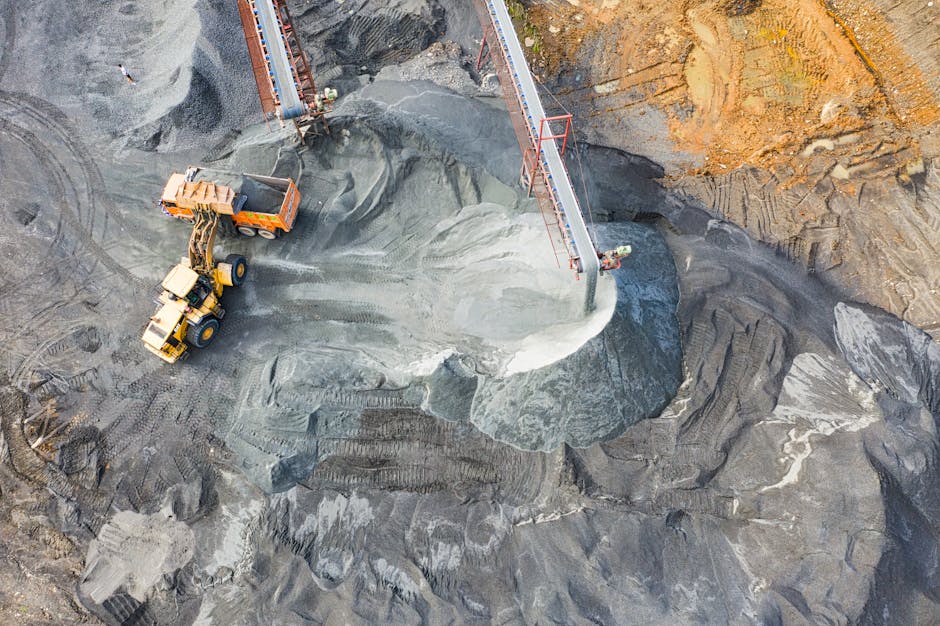
The Environmental Challenge
Crypto mining involves solving complex mathematical problems to validate transactions on blockchain networks, particularly Bitcoin and Ethereum. This process, known as Proof of Work (PoW), requires a substantial amount of computational power, leading to high energy consumption. As the demand for cryptocurrencies rises, so does the energy needed to mine them.
According to estimates, Bitcoin mining alone consumes as much energy as entire countries. In 2021, Bitcoin was reported to have an annual energy consumption of around 96 terawatt-hours (TWh), akin to that of the Netherlands. This staggering figure raises red flags concerning sustainability and environmental ethics.
Market Context
The crypto market is in a unique position where the demand for digital currencies continues to grow. Increased institutional adoption, the rise of decentralized finance (DeFi), and the burgeoning non-fungible tokens (NFTs) market have all contributed to a bullish sentiment. However, the environmental implications of mining could pose significant risks to this growth trajectory.
Recent trends indicate that regulatory scrutiny over crypto mining is intensifying. Governments worldwide are beginning to implement stricter environmental regulations, which could lead to increased operational costs for miners. For instance, China's 2021 crackdown on Bitcoin mining was partly motivated by environmental concerns, forcing many miners to relocate to countries with lax regulations. As more nations consider similar actions, the landscape of crypto mining could change drastically.
Impact on Investors
For investors, the environmental impact of crypto mining is a double-edged sword. On one hand, there is a growing awareness among stakeholders regarding sustainable investing practices. Investors are increasingly seeking out cryptocurrencies that prioritize eco-friendliness. Conversely, the potential for regulatory action could also impact the profitability of mining operations, causing a ripple effect across the market.
Investors should be mindful of the following:
- Regulatory Risks: Countries imposing stricter regulations may affect the operations of mining companies, leading to decreased returns.
- Public Sentiment: As social consciousness shifts towards sustainability, cryptocurrencies with high environmental impacts may face backlash, potentially affecting their value.
- Sustainable Alternatives: Newer cryptocurrencies are emerging that utilize less energy-intensive consensus mechanisms, such as Proof of Stake (PoS), presenting alternative investment opportunities.
The Future of Crypto Mining
Looking ahead, the future of crypto mining may hinge on a significant shift towards sustainable practices. Here are some potential developments:
- Adoption of Renewable Energy: Miners are increasingly exploring renewable energy sources, such as solar and wind power, to mitigate their environmental impact. This shift not only reduces carbon footprints but can also lower operational costs in the long run.
- Carbon Offsetting Initiatives: Some mining companies are beginning to invest in carbon offset projects, aiming to neutralize their emissions. This could become a standard practice as environmental accountability rises.
- Technological Innovations: Advances in mining technology may lead to more efficient hardware that consumes less energy while maintaining high outputs.
- Community-Driven Solutions: Localized mining operations that utilize excess energy from grids may become more popular, allowing miners to harness energy that would otherwise go to waste.
Conclusion
The environmental impact of crypto mining presents a complex challenge that intertwines technological innovation, regulatory scrutiny, and market dynamics. While the potential for growth in the cryptocurrency space remains, it is vital for stakeholders to consider the long-term implications of their actions on the environment. As the industry evolves, so too must the strategies employed by miners and investors alike, ensuring that the promise of a decentralized future does not come at the cost of our planet's health.
We are at a pivotal point in the integration of sustainability into the crypto landscape. The choices made today will shape the future of mining and the broader cryptocurrency market.