 Go Back


Crypto PAC's $12 Million Win: A New Era for Political Funding
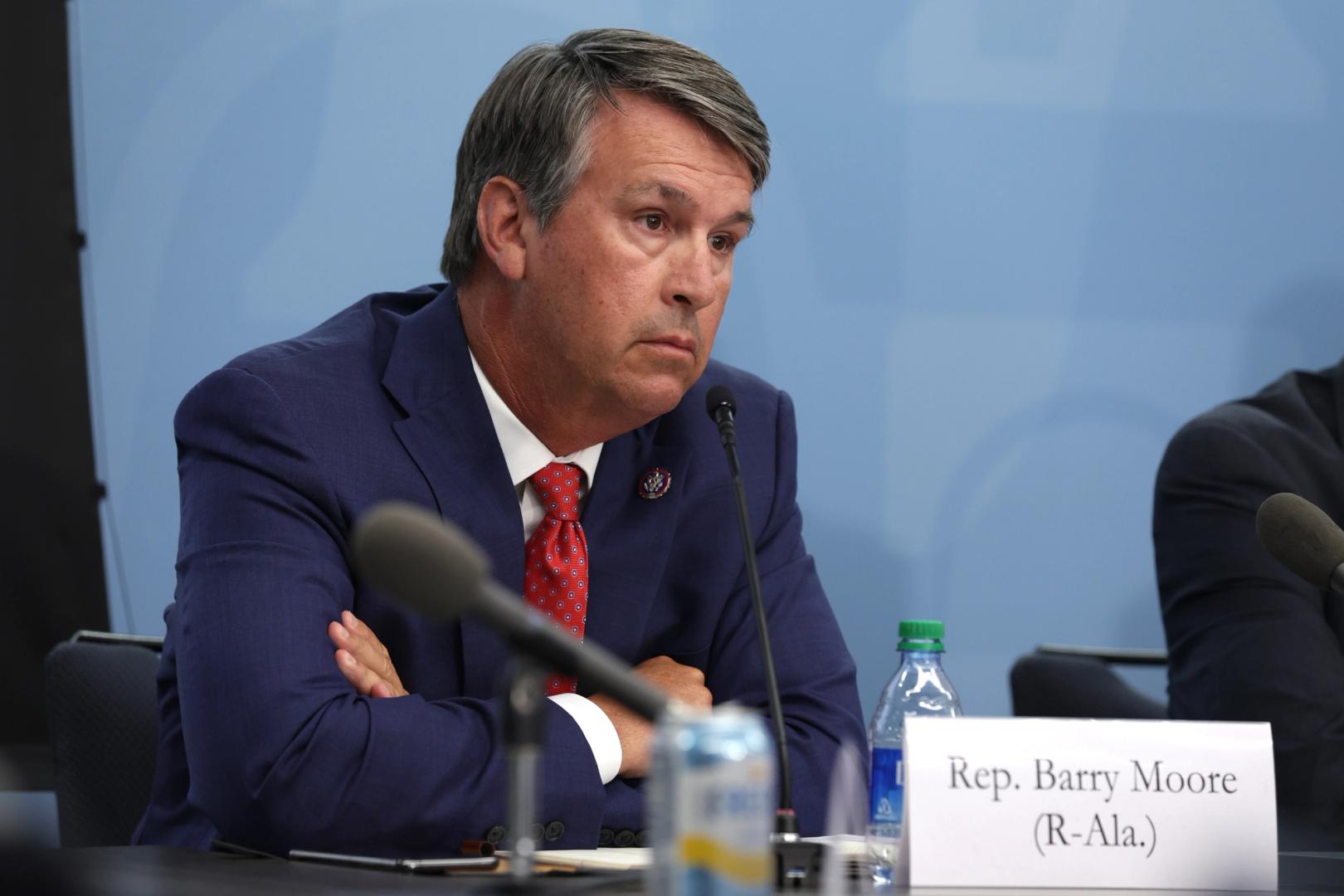
As the political landscape evolves, the influence of cryptocurrency within it becomes increasingly evident. The recent victory of Barry Moore in the Alabama GOP primary, fueled by a robust $12 million from a Crypto PAC, signifies a pivotal moment not just for Moore but for the entire cryptocurrency industry. This injection of funds showcases the growing power of crypto supporters in political arenas, shedding light on how digital assets are shaping governance.
Quick Take
| Aspect | Details |
|---|---|
| Candidate | Barry Moore |
| Funding Source | Crypto PAC |
| Amount Raised | $12 million |
| Political Affiliation | Republican |
| Significance | Major win for crypto’s political influence |
The Good, The Bad, and The Ugly of Crypto Political Funding
The Good
- Legitimization of Crypto: Barry Moore’s success underscores the burgeoning acceptance of cryptocurrency within mainstream politics. As candidates embrace crypto funding, it signals a shift from viewing digital assets as fringe to recognizing them as legitimate financial tools.
- Increased Advocacy: With substantial funding from Crypto PACs, candidates are more likely to advocate for policies that favor blockchain technology, potentially leading to more favorable regulations and innovation within the industry.
- Grassroots Support: The backing of such significant funds can also indicate a strong grassroots movement among crypto enthusiasts, suggesting that voters are increasingly prioritizing candidates who support their interests.
The Bad
- Risk of Extremism: While increased funding can lead to positive change, it also raises concerns about the potential for extremist ideologies to proliferate under the guise of political support for crypto. Candidates might skew their messaging to appeal to a specific voter base, potentially alienating moderate constituents.
- Regulatory Scrutiny: The infusion of large amounts of money from the crypto space could attract negative attention from regulatory bodies. As more candidates receive funding tied to the crypto industry, the likelihood of stricter regulations may increase, as lawmakers seek to ensure transparency and accountability.
- Dependence on Volatility: Cryptocurrency markets are notoriously volatile. Candidates and PACs that rely heavily on crypto donations might find themselves in precarious situations if the market takes a downturn, impacting their funding availability and overall campaign viability.
The Ugly
- Ethical Concerns: The sheer volume of money flowing from Crypto PACs can raise ethical questions about the influence of wealth in politics. Voters may grow disillusioned if they perceive that candidates are prioritizing the interests of wealthy donors over their constituents.
- Market Manipulation: There is potential for candidates to engage in or promote market manipulation to benefit their own campaign financing. This could lead to a cycle of influence that undermines the integrity of both the political process and the cryptocurrency market.
- Polarization: As crypto becomes a major funding source, the political discourse may become more polarized. Candidates might feel pressured to adopt hardline stances on issues related to crypto, potentially stifling constructive dialogue and bipartisan efforts.
Market Context
The financial backing of politicians through crypto is not entirely new, but Moore’s record-setting $12 million PAC funding signifies a distinct evolution in how crypto-funding dynamics are playing out. Historically, the tech sector has used financial contributions to influence policy. However, as blockchain technology grows in popularity, the stakes are rising, and the political implications are becoming more pronounced.
In the current macroeconomic environment, characterized by rising inflation and shifting monetary policies, crypto is increasingly viewed as a hedge against traditional markets. This perception could explain the surge in political funding from the crypto sector, as individuals and entities seek to protect their investments and influence favorable outcomes.
Impact on Investors
The victory of Barry Moore and the larger trend of crypto political funding serve as a critical barometer for investors. Those holding significant stakes in cryptocurrencies can interpret Moore’s success as a sign of growing acceptance of digital assets within mainstream frameworks. However, it also calls for vigilance regarding the implications of regulatory changes that may arise in response to increased scrutiny of crypto-backed politicians.
Investors are likely to pay close attention to how Moore and similar candidates use their influence to shape legislation impacting cryptocurrencies. A favorable political climate could boost market sentiment and lead to increased valuations in the crypto space. Conversely, if the political discourse turns sour, it may signal upheaval for the industry.
Conclusion: Looking Ahead
As the political landscape shifts with the integration of cryptocurrency funding, stakeholders both inside and outside the industry must stay informed. Barry Moore's win is not just about one candidate's success; it represents a broader movement that could reshape the future of political funding and the interplay between cryptocurrency and regulation. Investors and enthusiasts alike should prepare for both opportunities and challenges as this narrative unfolds in the coming years.
Tags
- #CryptoFunding
- #PoliticalInfluence
- #BarryMoore
- #CryptocurrencyPolitics
- #Blockchain