 Go Back

Understanding the Impact of Inflation on Crypto Prices
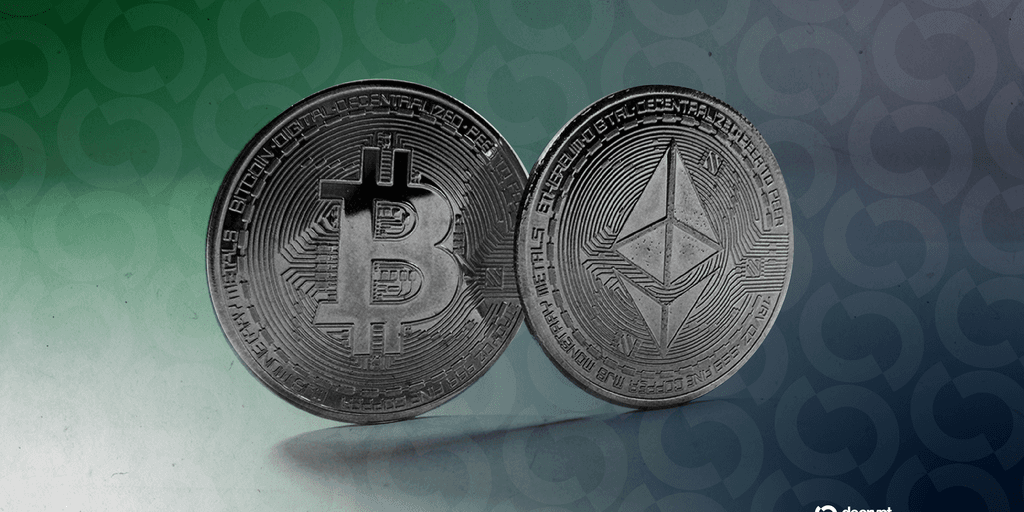
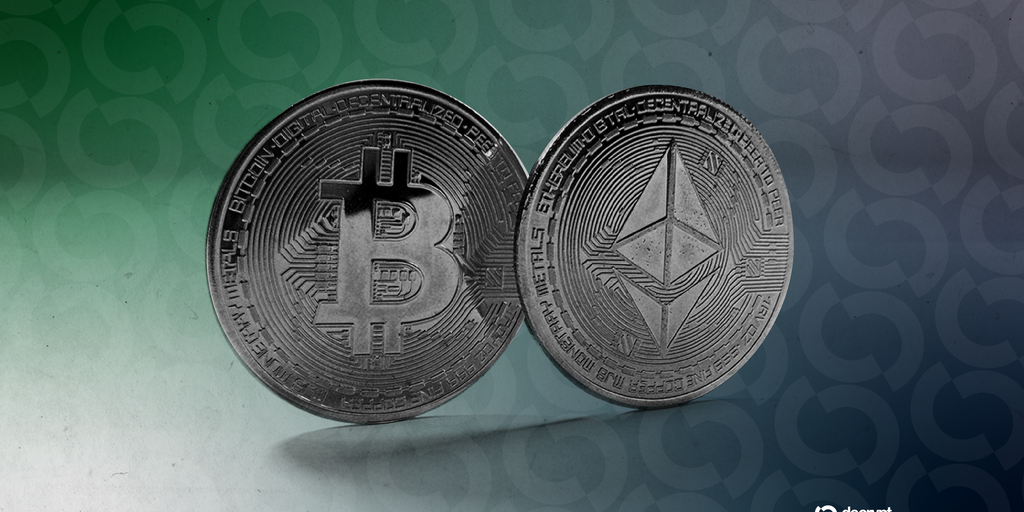
A sudden rise in inflation has sent shockwaves through the cryptocurrency market, leading to a decline in the prices of major assets like Bitcoin and Ethereum. The latest inflation report surprised many, indicating that inflation rates are hotter than expected, which has subsequently lowered traders' optimism for a potential spring rally in the crypto space. This blog post delves into the implications of these economic shifts and how they shape the future of the crypto market.
Quick Take
| Key Points | Details |
|---|---|
| Recent Inflation Reading | Higher than expected |
| Effect on Bitcoin and Ethereum Prices | Significant decline |
| Spring Rally Chances | Slashed significantly |
| Market Sentiment | Pessimistic |
The Good: Opportunities in Adversity
Despite the prevailing negative sentiment due to rising inflation, there are a few silver linings for the crypto market. Historically, cryptocurrency has been viewed as a hedge against traditional market fluctuations. While recent volatility has posed challenges, savvy investors may find unique buying opportunities in a down market.
Traders who understand the cyclical nature of market trends can use this moment to accumulate assets at lower prices, potentially setting themselves up for gains when the market corrects. Moreover, as global central banks impose stricter fiscal policies to combat inflation, the resulting economic environment may catalyze renewed interest in decentralized finance (DeFi) solutions and alternative cryptocurrencies that offer innovative utility and value.
The Bad: Price Declines and Market Sentiment
The spiraling inflation numbers have triggered a bearish outlook among traders and investors. After a promising start to the year, Bitcoin and Ethereum faced notable price drops, making many cautious about entering new positions. The correlation between traditional markets and cryptocurrencies further exacerbates this situation, as investors may choose to liquidate their crypto assets in favor of more stable investments during uncertain economic times.
The crypto market's volatility remains a double-edged sword; while it can lead to quick gains, it can also create substantial losses, especially in a bearish trend. This environment discourages new investors from entering the space, thus stifling growth and innovation within the market.
The Ugly: Long-term Implications
Long-term implications of persistent inflation can be quite severe for the cryptocurrency ecosystem. If inflation continues its upward trajectory, regulators might increase interest rates more aggressively, leading to tightened liquidity across the markets. Such actions might suppress not only the cryptocurrency markets but also equities and other asset classes.
Moreover, a prolonged period of inflation could shift public perception regarding cryptocurrencies. Once hailed as a revolutionary asset class, cryptocurrencies could be viewed skeptically by average investors who prioritize security over innovation. This shift might deter mainstream adoption, slowing down the progress made over the last few years.
Market Context
The current inflation scenario is not isolated; it reflects a broader economic trend affecting various sectors. Following the global pandemic, supply chain disruptions and changes in consumer demand have compounded inflationary pressures. Central banks are grappling with balancing fiscal policies to stimulate growth while curbing inflation, which creates an unpredictable environment for all assets, including cryptocurrencies.
Furthermore, geopolitical tensions and ongoing trade disputes are intensifying these challenges, leading to a lack of investor confidence. The cryptocurrency market is vulnerable to such external factors, often reacting sharply to news and economic data releases.
Impact on Investors
For investors, navigating this complex environment requires a careful analysis of both macroeconomic indicators and the fundamentals of individual cryptocurrencies. It's essential for investors to remain informed about inflation trends and central bank policies, as these factors could signal potential price movements.
A diversified investment strategy may mitigate risks associated with inflation. By mixing traditional assets with cryptocurrencies, investors can create a balanced portfolio that withstands market fluctuations more effectively.
Conclusion
The current downturn in Bitcoin and Ethereum prices serves as a stark reminder of the intricate relationship between macroeconomic factors and the crypto market. While the immediate future appears challenging, the long-term potential of cryptocurrencies remains intact. Investors who approach this period with strategic insights and a keen awareness of market dynamics may uncover opportunities even in adversity. Understanding the broader economic landscape will be crucial for those looking to navigate the complexities of the cryptocurrency realm.
Tags
- Crypto Price Analysis
- Inflation Impact
- Bitcoin Trends
- Ethereum Insights
- Investment Strategies