 Go Back


Quick Take
| Topic | Insights |
|---|---|
| What | Risks of World Cup-related crypto scams |
| Who | Cryptocurrency enthusiasts and potential buyers |
| Why it Matters | Importance of awareness to avoid financial losses |
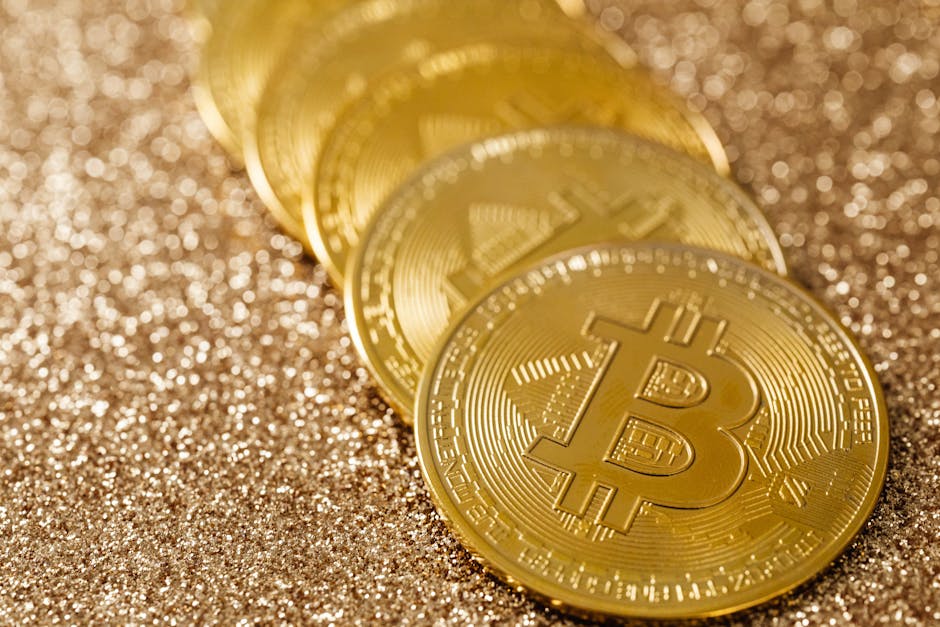
As the world gears up for the excitement of the FIFA World Cup, a thriving event that captures the attention of sports fans globally, a darker side is emerging within the cryptocurrency space. The recent warning issued by Yahoo News Singapore highlights an alarming trend: the rise of scams involving cryptocurrency linked to World Cup tickets and merchandise. But what does this mean for you as an investor or a sports fan?
What Are These Scams?
The scams revolve around fake websites and communications that promise exclusive World Cup tickets and merchandise in exchange for cryptocurrency payments. Perpetrators often create convincing advertisements on social media platforms, presenting themselves as legitimate sellers. They entice potential buyers with seemingly attractive deals that undercut official ticket prices. However, once payment is made, victims find themselves without tickets, merchandise, or any means of recourse.
Market Context
In the current economic climate, where inflation is pressing and traditional investment avenues may seem risky, many individuals are turning to cryptocurrencies as a promising alternative. The lure of using popular digital currencies for purchases, especially in high-stakes events like the World Cup, can lead to poor decision-making. Furthermore, the cryptocurrency market's volatility exacerbates these risks, as people may feel pressured to act quickly on perceived opportunities.
The World Cup, with its immense global following, creates a fertile ground for scams. The combination of heightened emotions, a desire to participate in a global event, and the anonymity of cryptocurrency transactions makes it easier for scammers to exploit unsuspecting victims. The historical context of previous major sporting events shows that as the spotlight shines brighter, malicious actors become more active.
How to Protect Yourself
It's essential for potential buyers to exercise due diligence. Here are several strategies:
- Verify Sellers: Always check if the website or seller is legitimate. Look for customer reviews and avoid clicking on links from unsolicited messages.
- Use Trusted Platforms: Purchase tickets through official channels or well-known resale platforms that guarantee customer protection.
- Avoid High-Pressure Tactics: If something sounds too good to be true, it probably is. Take a step back and evaluate the offer before making a payment.
- Educate Yourself: Familiarize yourself with common scams and warning signs. Knowledge is your best defense against fraud.
Impact on Investors
The rise of scams associated with high-profile events like the World Cup could have significant implications for investor sentiment in the cryptocurrency space. Investors might become more cautious, leading to a bearish sentiment that could impact the market negatively. The potential for regulatory scrutiny increases as authorities may feel pressured to act against these scams, leading to a more stringent regulatory environment.
Moreover, as cryptocurrencies gain traction in mainstream transactions, any negative publicity stemming from scams can tarnish the reputation of the entire asset class. Investors should remain vigilant and advocate for better security practices within the crypto industry to foster a safer trading environment.
Future Outlook
Considering the upcoming sports events and the ongoing evolution of digital payments, it's likely that the trend of scams will persist unless robust measures are taken. The cryptocurrency ecosystem must prioritize user education and enhanced security protocols to combat the rise in scams. Collaborations between regulatory bodies, exchanges, and consumer protection agencies could pave the way for a more secure framework.
In summary, while the excitement of the World Cup is undeniable, awareness and proactive measures are crucial to navigate the risks posed by cryptocurrency scams. By staying informed and cautious, fans and investors alike can protect themselves and continue to engage in the evolving landscape of digital finance responsibly.