 Go Back


Quick Take
| Aspect | Impact on Markets |
|---|---|
| U.S.-Iran Deal | Boost in equities, decline in oil prices |
| Crypto Reaction | Cautious sentiment amongst traders |
| Long-term View | Potential instability affecting crypto investments |
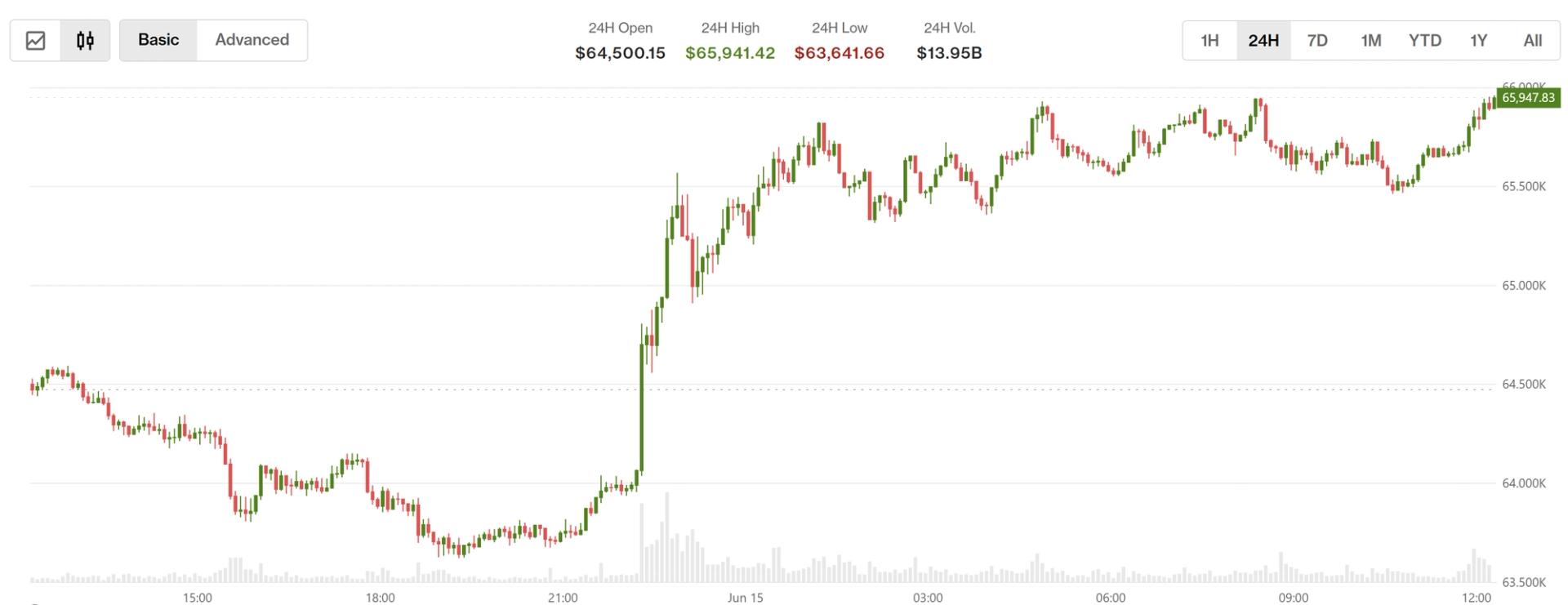
The recent U.S.-Iran deal has sent shockwaves through global markets, lifting equities and driving oil prices lower. But what about the world of crypto? If you thought this would be a slam dunk for the digital asset realm, think again. The crypto community, notorious for its skepticism, is holding back the cheers, and for good reason.
What’s the Deal?
The peace agreement reached over the weekend between the U.S. and Iran has fueled optimism in traditional markets. Equities rallied significantly, with investors feeling buoyed by the prospect of reduced geopolitical tensions. Oil prices took a hit as concerns over supply disruptions diminished. But while Wall Street celebrates, crypto traders are left scratching their heads. Why this reticence?
Why Does Crypto Remain Wary?
Crypto markets have a history of reacting unpredictably to global events. Traders have learned the hard way that headlines can often be misleading. The crypto ecosystem thrives on freedom from centralized control and transparency, which makes it particularly sensitive to geopolitical variables. Here’s a closer look at some reasons behind the cautious stance:
- Historical Precedents: The crypto market has been burned by previous geopolitical events where immediate optimism led to long-term downturns. Traders remember when initial positive news turned sour, causing dramatic sell-offs in Bitcoin and altcoins.
- Market Volatility: Cryptocurrencies are known for their volatility. Even if traditional markets soar in response to political developments, crypto often behaves differently, exemplifying a unique dynamic influenced by investor psychology, regulatory concerns, and technological changes.
- Risk Aversion: With uncertainties still looming over economic recovery, inflation rates, and potential interest rate hikes, investors in the crypto space are more risk-averse. They may prefer to sit on the sidelines until there’s a more stable outlook.
Market Context
Now, let’s unpack the broader economic context surrounding the U.S.-Iran deal and its implications for crypto. The international economy is currently in a fragile state, grappling with inflation in several major economies, supply chain disruptions, and the impact of central bank policies.
- Equities vs. Crypto: Traditional markets often benefit from geopolitical agreements, as they signify potential stability. However, crypto investors typically rely on bullish trends driven by tech adoption and regulatory clarity rather than political agreements. When stocks rise, it doesn’t always translate into crypto gains.
- Oil Price Dynamics: Lower oil prices might be interpreted as a negative for the energy sector but could generally lead to reduced costs across various industries. This could foster a stronger economy, which would typically yield better conditions for investments in tech, including blockchain technologies.
- Investor Behavior: Historically, the correlation between traditional equities and cryptocurrencies has been mixed. While some traders might move funds to crypto during equity sell-offs, others may hesitate to jump in during uncertain times.
Impact on Investors
So, what does this mean for crypto investors? Here are some key takeaways:
- Stay Informed: It’s crucial to remain updated on macroeconomic indicators and geopolitical developments. While the U.S.-Iran deal may seem positive, its long-term effects can only be assessed through context-driven analysis.
- Diversification Strategy: Given the volatility in crypto markets, a diversified portfolio can help mitigate risks. Investors may consider balancing their crypto investments with equities or other assets.
- Long-Term Vision: Focusing on the long-term potential of blockchain technology and cryptocurrencies can provide a more stable investment perspective. While immediate reactions to political news can lead to short-term fluctuations, technological adoption and innovation drive long-term value.
Final Thoughts
The U.S.-Iran deal is a significant development in the global macroeconomic landscape, lifting traditional markets while leaving crypto traders in a state of caution. Navigating the crypto waters requires a blend of awareness, strategic planning, and a long-term outlook. For those in the crypto space, understanding the interplay between global events and market sentiments is key to making informed investment decisions. Keep an eye out, because in this game, the best-laid plans often go awry, and the next headline could shift the tide once again.