 Go Back


Quick Take
| Metric | Value |
|---|---|
| Market Growth Rate | 18.5% CAGR |
| Expected Market Size by 2025 | $2 billion |
| Major Players | Ledger, Trezor, KeepKey |
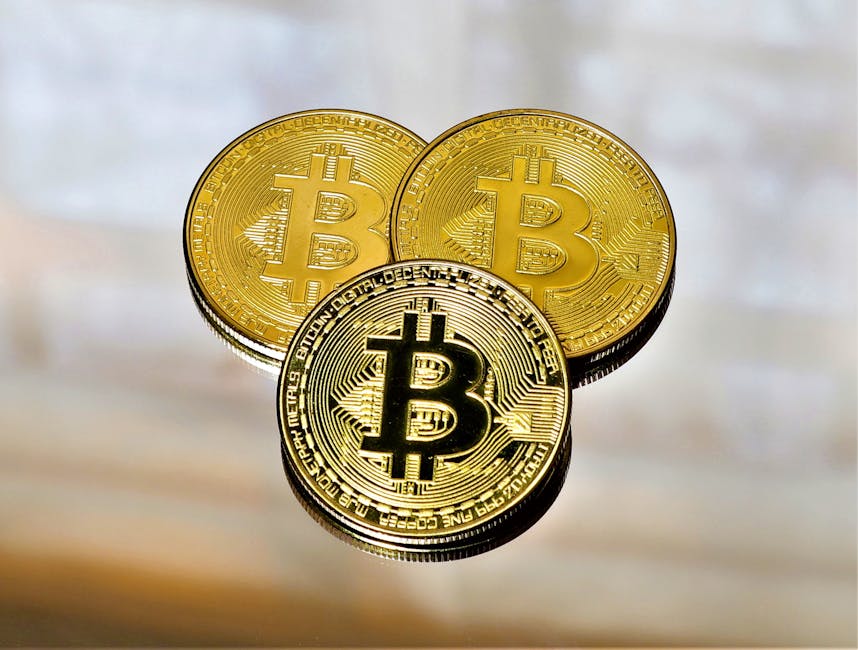
What is Driving the Growth of Cryptocurrency Hardware Wallets?
The cryptocurrency hardware wallet market is experiencing a remarkable surge, with an impressive compound annual growth rate (CAGR) of 18.5%. This growth reflects the increasing demand for secure and reliable storage solutions for cryptocurrencies, especially in the context of rising global economic uncertainties. As more investors and institutions enter the cryptocurrency space, the need for hardware wallets that provide enhanced security has never been more critical.
Market Context
In recent years, the cryptocurrency landscape has transitioned from a fringe financial technology to a mainstream investment option. This shift has been influenced by several macroeconomic factors:
Inflation and Economic Instability: With central banks globally adopting expansive monetary policies and concerns surrounding inflation, investors are searching for alternative assets. Cryptocurrencies, particularly Bitcoin, are often viewed as a hedge against inflation, driving more individuals to invest and subsequently requiring secure storage solutions.
Increased Cybersecurity Threats: As the cryptocurrency market gains traction, so do the threats. High-profile hacks and scams have prompted investors to prioritize security, leading them to seek out hardware wallets over software options that are perceived to be more vulnerable.
Institutional Adoption: Major financial institutions and corporations are increasingly integrating cryptocurrencies into their operations. This institutional interest not only legitimizes the market but also necessitates robust security measures, driving further demand for hardware wallets.
Impact on Investors
The surge in hardware wallet adoption can have significant implications for both retail and institutional investors:
Enhanced Security: Hardware wallets provide a higher level of security compared to online wallets, making them a preferred choice for investors concerned about the safety of their assets. Investors can protect their cryptocurrency holdings from potential hacks and cyber threats by utilizing these devices.
Long-Term Holding Strategy: As the market matures, more investors are adopting a long-term holding strategy, often referred to as "HODLing". Hardware wallets facilitate this approach by enabling users to store their assets securely away from the exchange.
Market Confidence: The proliferation of hardware wallet solutions can enhance market confidence, encouraging more participants to enter the cryptocurrency space. As security concerns diminish, retail investors may feel more comfortable investing in digital assets.
Predictions for the Future
Looking ahead, the cryptocurrency hardware wallet market is expected to grow even further. Analysts predict that the market size could reach approximately $2 billion by 2025, driven not only by the factors mentioned above but also by technological advancements in wallet design and functionality.
Moreover, as cryptocurrencies continue to evolve, hardware wallet manufacturers may innovate by integrating features such as biometric security, multi-currency support, and user-friendly interfaces to cater to a broader audience. This could further solidify their role as essential tools for crypto investors.
Conclusion
The increasing demand for cryptocurrency hardware wallets is indicative of a broader trend within the financial landscape, where security and stability are paramount. As the global economy faces challenges, investors are not only looking for alternative assets but also for ways to secure their investments. This shift not only highlights the importance of hardware wallets but also underscores the potential for significant growth in the market. With rising interest from both retail and institutional investors, the future of cryptocurrency hardware wallets appears promising, marking a critical point in the evolution of digital asset management.