 Go Back


Cryptocurrency Market Cap Trends: What Investors Should Know
Understanding the fluctuations in cryptocurrency prices and market capitalization is vital for both seasoned investors and newcomers alike. The crypto marketplace is known for its volatility, but recent trends suggest a stabilizing phase amid macroeconomic shifts. In this blog post, we'll delve into the current state of cryptocurrency prices by market cap, analyze the broader economic context, and what it means for investors.
Quick Take
| Metric | Value |
|---|---|
| Total Market Cap | $1.2 Trillion |
| Bitcoin Market Cap | $450 Billion |
| Ethereum Market Cap | $220 Billion |
| Average Daily Volume | $50 Billion |
| BTC Dominance | 38% |
The Good: Signs of Recovery
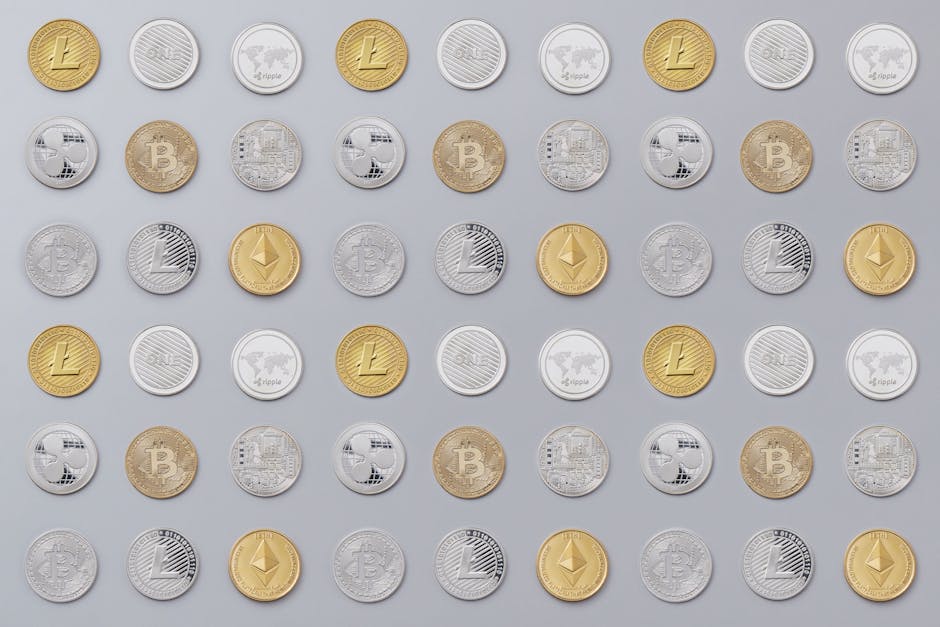
The cryptocurrency market has recently shown signs of recovery after a prolonged bear market. Prices are stabilizing, with Bitcoin and Ethereum leading the way. Bitcoin’s market cap currently stands at approximately $450 billion, while Ethereum follows closely at around $220 billion. This indicates a renewed interest from investors, likely driven by several factors:
- Institutional Investment: Major financial institutions are increasingly entering the crypto space, signaling a long-term commitment to digital assets.
- Regulatory Clarity: Recent regulatory advancements in major economies have provided a clearer framework for cryptocurrency operations, allowing more investors to participate with confidence.
- Technological Advancements: Various blockchain projects have made significant improvements, enhancing scalability and efficiency, thereby attracting more users and investors.
The Bad: Persistent Volatility
Despite the positive signs, the cryptocurrency market remains inherently volatile. Price fluctuations can be drastic, as evidenced by recent spikes and dips. Factors contributing to this volatility include:
- Market Sentiment: The crypto market is heavily influenced by social media and news cycles, where sentiment can shift rapidly, causing wild price swings.
- Liquidity Issues: Smaller altcoins can experience significant pricing discrepancies due to liquidity issues, making them riskier investments.
- Geopolitical Tensions: Global economic conditions, such as inflation rates and geopolitical tensions, can also impact investor sentiment and consequently, cryptocurrency prices.
The Ugly: Scams and Security Risks
While the landscape is improving, the threat of scams and security breaches remains a significant concern in the crypto world. Investors should be wary of:
- Phishing Scams: Fake websites and emails designed to steal personal information are rampant.
- Rug Pulls: Some under-the-radar projects may disappear overnight, leaving investors with significant losses.
- Exchange Hacks: Centralized exchanges can be vulnerable to attacks, leading to substantial losses for users.
Market Context
The current market cap of cryptocurrencies is hovering around $1.2 trillion, with Bitcoin’s dominance sitting at about 38%. This suggests that while Bitcoin remains a significant player, other cryptocurrencies are also gaining traction. The market has historically witnessed cycles of boom and bust, and understanding this cyclical nature is essential for effective investment.
Historical Trends
Historically, the crypto market has followed a pattern of rapid growth followed by corrections. For instance, after reaching an all-time high in late 2021, Bitcoin saw a significant decline throughout 2022. However, it’s important to remember that similar patterns have occurred before, followed by new highs.
Future Predictions
Looking ahead, analysts suggest that the market could see continued growth in the next few years, driven by:
- Increased Adoption: As more retailers and platforms accept cryptocurrencies, the demand will likely rise.
- Innovative Use Cases: Examples include decentralized finance (DeFi) and non-fungible tokens (NFTs), which are attracting substantial interest and investment.
- Global Economic Factors: Changes in monetary policy and economic conditions could also play a role in driving investment into cryptocurrencies as alternative assets.
Impact on Investors
For investors, understanding the nuances of the cryptocurrency market is crucial. Here are some considerations:
- Diversification: Given the volatility, it’s advisable to diversify investments across multiple cryptocurrencies rather than concentrating on one.
- Stay Informed: Keeping up with market trends and news is essential, as the crypto landscape can change rapidly.
- Long-term Perspective: Given the historical trends, a long-term investment strategy may be more beneficial than short-term trading.
In summary, while the cryptocurrency market presents various opportunities, it is also fraught with risks. Investors must tread carefully, staying informed and adapting to the rapidly changing landscape. As we navigate this complex financial territory, the interplay of macroeconomic factors, regulatory developments, and technological advancements will continue to shape the future of digital assets.