 Go Back


Cryptocurrency Market Update: A Global Macroeconomic Perspective
As the cryptocurrency market continues to evolve, understanding its dynamics within the broader global economic landscape has never been more critical. This analysis delves into the current cryptocurrency market update, highlighting key macroeconomic indicators that could shape future trends.
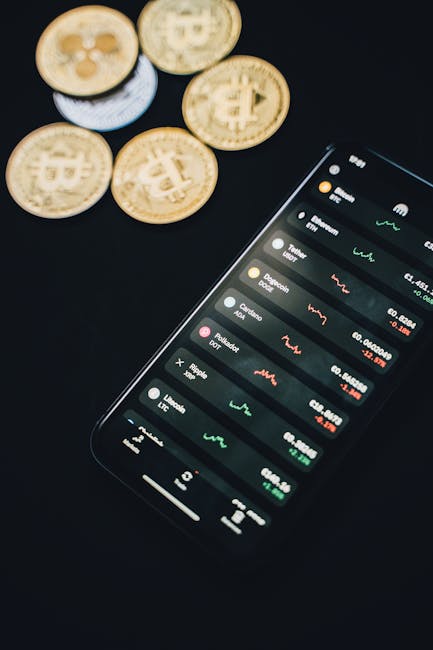
Quick Take
| Indicator | Current Status | Implication |
|---|---|---|
| Bitcoin (BTC) Price | $50,000 | Bullish sentiment |
| Ethereum (ETH) Price | $3,800 | Stable growth |
| Global Inflation Rate | 5.5% | Increased interest rates |
| Central Bank Policies | Tightening | Risk of recession |
| Crypto Market Cap | $2.5 Trillion | Expanding ecosystem |
Market Context
The current cryptocurrency market, valued at approximately $2.5 trillion, reflects a diverse ecosystem influenced heavily by global macroeconomic conditions. With Bitcoin trading at $50,000 and Ethereum at around $3,800, the market sentiment appears cautiously optimistic. Factors such as rising inflation rates, which currently sit at 5.5%, are pushing investors towards alternative assets, including cryptocurrencies.
Central banks around the world are responding to inflationary pressures with tightening policies, which may create volatility in traditional markets. This tightening could potentially drive more institutional investors towards cryptocurrencies as they seek refuge from the adverse effects of inflation. The technology underpinning DeFi (Decentralized Finance) continues to attract attention, with numerous projects emerging to address the inefficiencies in traditional finance.
SWOT Analysis
Strengths
- Decentralization: One of the major strengths of cryptocurrencies is their decentralized nature, which provides users with greater control over their assets and transactions. This feature is particularly appealing in times of economic uncertainty.
- Growing Adoption: With increasing acceptance of cryptocurrencies by major corporations and financial institutions, the market is experiencing a surge in credibility and trust.
- Innovative Financial Products: DeFi platforms are introducing innovative products, allowing users to lend, borrow, and earn interest on their assets, providing financial services to the unbanked.
Weaknesses
- Volatility: The cryptocurrency market is notorious for its volatility, and recent price fluctuations can deter traditional investors.
- Regulatory Risks: Governments are still grappling with how to regulate cryptocurrencies, creating an uncertain environment for investors and developers alike.
- Security Concerns: High-profile hacks and scams within the DeFi sector continue to raise concerns about the security of assets held in digital wallets.
Opportunities
- Institutional Investment: As more institutions begin to allocate a portion of their portfolios to cryptocurrencies, the market could see substantial growth.
- Global Financial Inclusion: DeFi has the potential to provide financial services to billions of people who are currently unbanked, significantly expanding the user base for digital currencies.
- Innovative Use Cases: The emergence of new projects and technologies, including NFTs and tokenization, offers myriad opportunities for market expansion and diversification.
Threats
- Economic Downturn: A potential global recession could lead to decreased investment in riskier assets, including cryptocurrencies.
- Increased Regulation: Stricter regulations could stifle innovation and limit market access for smaller players.
- Technological Challenges: As the DeFi sector grows, scaling solutions and interoperability between different blockchains will be critical for sustained growth.
Impact on Investors
For investors, the current climate presents both opportunities and challenges. The push towards digital assets, spurred by macroeconomic factors such as inflation and interest rates, could lead to increased interest in cryptocurrencies as an alternative investment. However, potential volatility and regulatory changes must be carefully considered.
Investors should adopt a diversified approach, combining traditional assets with a well-researched portfolio of cryptocurrencies. Staying informed about macroeconomic indicators and their potential impact on the market will be essential for making sound investment decisions.
In summary, the cryptocurrency market is grappling with the effects of global economic events, influencing its trajectory as we move towards the latter half of 2025. As investors navigate this landscape, understanding the interplay between macroeconomic factors and the crypto ecosystem will be key to capitalizing on the opportunities ahead.