 Go Back


Cryptocurrency Market Trends: Analyzing Global Economic Context in 2026
The cryptocurrency market is poised for significant transformations in 2026, with various global macroeconomic factors influencing its trajectory. Investors and enthusiasts alike must navigate these changes to stay ahead in this dynamic domain.
Quick Take
| Factor | Description |
|---|---|
| Global Inflation | Continues to impact purchasing power and crypto demand |
| Regulatory Changes | Potential shifts in regulations across major economies |
| Technology Advancements | Innovations enhancing blockchain scalability and security |
| Market Sentiment | Increasing interest from institutional investors |
| Environmental Factors | Growing focus on sustainable mining practices |
Market Context
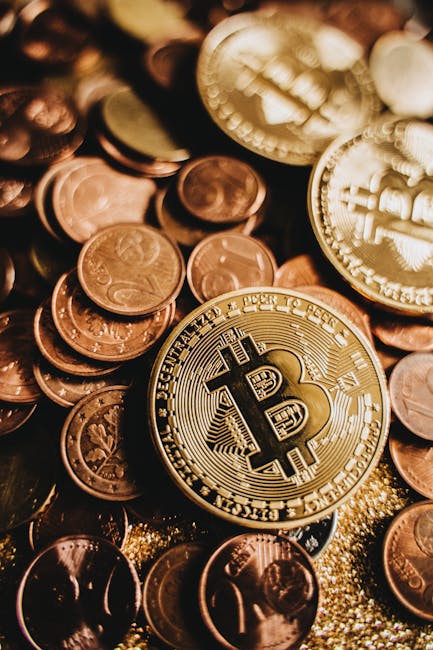
Cryptocurrencies have evolved from a niche technological curiosity to a critical component of global finance. As of May 2026, the landscape is marked by heightened interest from institutional investors, increased regulatory scrutiny, and innovations aimed at enhancing the usability and sustainability of digital assets.
Economic Indicators Impacting Crypto
Several macroeconomic indicators are pivotal in shaping the crypto market. Inflation rates, interest rates, and GDP growth influence not only the traditional financial markets but also the cryptocurrency ecosystem. High inflation often drives individuals and institutions towards decentralized assets like Bitcoin and Ethereum, seen as hedges against currency devaluation. Conversely, rising interest rates might dampen investments in riskier assets, including cryptocurrencies.
In addition, geopolitical tensions can also prompt volatility in markets, leading to increased interest in cryptocurrencies as a means of protecting wealth across borders.
SWOT Analysis
Strengths
- Decentralization: Cryptocurrencies offer independence from traditional banking systems, appealing in times of economic uncertainty.
- Growing Adoption: Increasing acceptance of cryptocurrencies for payments and investment fuels market growth.
- Enhanced Security: Advances in blockchain technology improve transaction security and reduce fraud risk.
Weaknesses
- Volatility: High price fluctuations can deter new investors and undermine confidence in digital assets.
- Regulatory Risks: Uncertainty regarding future regulations can create significant risks for investors and companies alike.
- Environmental Concerns: The energy consumption of cryptocurrency mining has garnered criticism, necessitating a shift towards greener alternatives.
Opportunities
- Institutional Investment: As more financial institutions embrace cryptocurrencies, new investment avenues will emerge, leading to increased market stability.
- Technological Innovation: Continuous improvements in blockchain technology, such as Layer 2 solutions, can enhance transaction speed and reduce costs.
- Global Remittance Solutions: Cryptocurrencies can streamline cross-border payments, making them more efficient and cost-effective.
Threats
- Regulatory Crackdowns: Stringent regulations can stifle growth and innovation in the crypto space.
- Market Manipulation: The potential for market manipulation remains a significant concern, affecting investor trust.
- Competing Technologies: The rise of Central Bank Digital Currencies (CBDCs) could challenge the supremacy of decentralized cryptocurrencies.
Impact on Investors
As we navigate through 2026, the focus on macroeconomic factors can significantly influence investor strategies in the cryptocurrency market.
Investor Sentiment
The sentiment among investors is crucial; an optimistic outlook can lead to increased investment, while fear of regulatory changes may prompt a sell-off. The growing interest from institutional players indicates a shift towards a more mature market. This influx of capital can stabilize prices, making cryptocurrencies a more attractive investment.
Risk Management
Investors should consider risk management strategies to navigate the volatile nature of cryptocurrencies. Diversification across various digital assets and traditional investments, along with a keen eye on economic indicators, can help mitigate risks associated with sudden market changes.
Future Considerations
In the long term, understanding the interplay between global economic conditions and the cryptocurrency market will be essential. Factors such as technological advancements, regulatory developments, and global economic stability will continue to shape the future of digital assets.
As we move further into 2026, prepared investors who stay informed and adaptable will be best positioned to capitalize on the unique opportunities presented by the ever-evolving cryptocurrency landscape. The journey ahead promises to be as challenging as it is rewarding, filled with moments of significant disruption and unparalleled growth.
Conclusion
The cryptocurrency market in 2026 stands at a crossroads, influenced by various global economic factors. By understanding these dynamics, investors can make informed decisions and harness the potential of digital assets in their portfolios. As always, thorough research and strategic planning will be crucial in navigating this exciting but unpredictable space.
Stay informed and consider how these trends will impact your investment strategy as the cryptocurrency landscape unfolds.