 Go Back


Quick Take
| Key Insight | Description |
|---|---|
| Global Reach | Cryptocurrency scams affect victims worldwide, transcending borders. |
| Recovery Challenges | Victims often face legal and bureaucratic hurdles in reclaiming lost funds. |
| Regulatory Landscape | The lack of comprehensive regulations exacerbates the problem. |
| Investor Vigilance | Increased awareness is crucial for potential investors. |
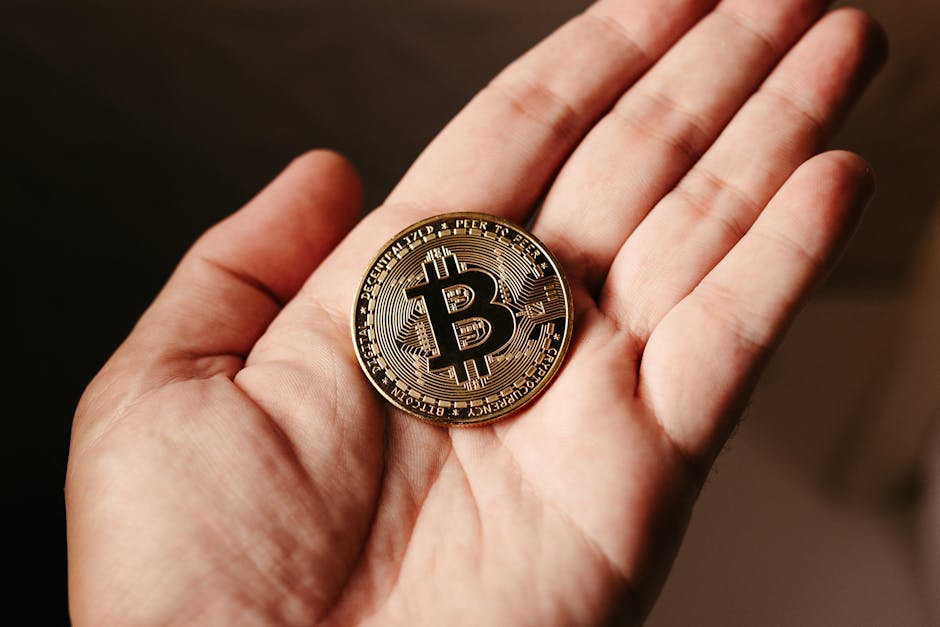
The cryptocurrency landscape has been a double-edged sword for investors since the inception of Bitcoin in 2009. While it offers unprecedented opportunities for wealth creation, it also presents significant risks, including the ever-pervasive threat of scams. As reported by 10TV, many victims of cryptocurrency scams express their frustration over the arduous journey to recover their lost funds. This article delves into the global implications of cryptocurrency scams, the hurdles victims face, and the broader regulatory environment that influences these events.
Historical Context of Cryptocurrency Scams
The rise of cryptocurrency has been meteoric. In just over a decade, Bitcoin has surged from being an obscure digital asset to a mainstream financial instrument. This rapid ascent has attracted not only legitimate investors but also fraudsters aiming to exploit the lack of regulation and the general unfamiliarity most people have with digital currencies.
Historically, significant scams have included Ponzi schemes like BitConnect in 2017, which deceived thousands out of millions of dollars. Similar schemes have continued to emerge, often leveraging social media and online platforms to lure in unsuspecting victims. In 2021 alone, the Federal Trade Commission (FTC) reported that consumers lost over $80 million to cryptocurrency scams, a figure that has likely increased as the market has continued to expand.
Market Context
The cryptocurrency market is characterized by volatility and unregulated platforms, making it an ideal breeding ground for scams. The decentralization that is the hallmark of blockchain technology can simultaneously empower individuals and expose them to fraudulent activities. Investors often find themselves in precarious situations, especially during market downturns when fraudsters are quick to exploit fear and uncertainty.
Recent reports indicate a surge in phishing attacks, where scammers impersonate legitimate companies to steal personal and financial information. Additionally, the rise of decentralized finance (DeFi) protocols has created new avenues for scams, as the complexity of these systems can confuse even seasoned investors.
The Recovery Journey
Victims of cryptocurrency scams face considerable challenges in their attempts to recover lost funds. Many find themselves navigating a labyrinth of legal, financial, and bureaucratic barriers. Unlike traditional banking systems with established fraud recovery processes, cryptocurrency transactions are irreversible once confirmed on the blockchain. This irreversible nature significantly hampers recovery efforts.
Moreover, law enforcement agencies are often underfunded and ill-equipped to handle the intricate technicalities involved in cryptocurrency fraud cases. Victims may also confront jurisdictional issues, as many scams operate cross-border, complicating legal proceedings and enforcement actions. These challenges leave many feeling disillusioned and exhausted by their attempts to reclaim their funds.
Impact on Investors
For current and potential cryptocurrency investors, the threat of scams serves as a sobering reminder of the importance of due diligence. Awareness of the common types of scams, such as pump and dump schemes, Ponzi schemes, and fake initial coin offerings (ICOs), is crucial for safeguarding investments. Investors are encouraged to thoroughly research any project before investing and to remain skeptical of promises that sound too good to be true.
Regulators are beginning to take steps to address the issue, but the pace of change is slow. Enhanced consumer protection laws and improved regulatory frameworks for cryptocurrencies may provide some level of security for investors in the long run. However, until such measures are implemented, the onus remains on individual investors to protect themselves against potential fraud.
The Road Ahead
As the cryptocurrency market evolves, so too do the tactics employed by scammers. Increased regulatory scrutiny and greater transparency in the cryptocurrency space may help mitigate some risks associated with scams. The call for comprehensive regulations is growing louder, but until effective measures are enacted, vigilance and education will be the best defenses for investors.
In conclusion, the journey to recover funds lost to cryptocurrency scams is often fraught with frustration and complications. As the global cryptocurrency landscape continues to grow, so does the imperative for investors to be informed, cautious, and proactive in protecting their investments. Without significant changes in regulatory frameworks and heightened awareness of potential risks, the cycle of scams and victimization is likely to persist, casting a long shadow over the promise of this innovative financial technology.