 Go Back


Quick Take
| Key Insight | Details |
|---|---|
| Current Trend | Increase in cryptocurrency scams |
| Economic Context | Global uncertainty fueling scam prevalence |
| Protection Strategies | Best practices for investors |
| Regulatory Response | Ongoing efforts to combat scams |
Cryptocurrency scams are gaining significant traction in the digital financial landscape, a troubling trend that has coincided with rising global economic uncertainty. As traditional markets experience volatility, many investors are turning to cryptocurrencies for potential profit, which has inadvertently made them more susceptible to scams. This article delves into the current state of cryptocurrency scams, the broader economic context contributing to this surge, and essential strategies for safeguarding your investments.
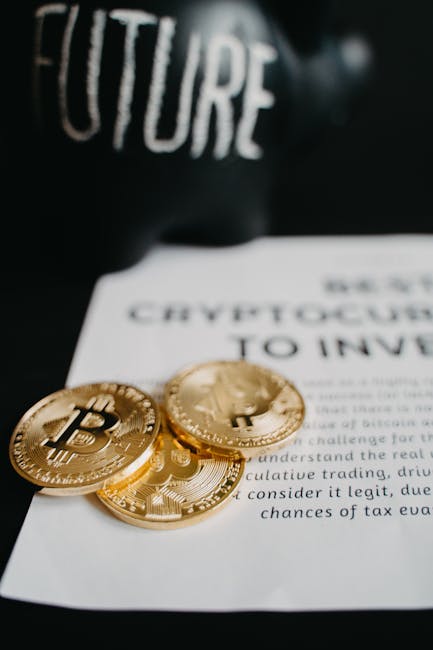
The Rise of Cryptocurrency Scams
Recent reports indicate that the frequency and sophistication of cryptocurrency scams have increased sharply. Victims of these scams often fall prey to fake initial coin offerings (ICOs), Ponzi schemes, and phishing attempts designed to extract sensitive information or funds. According to cybersecurity experts, many of these scams exploit the fear and uncertainty surrounding the current economic climate, making individuals more likely to take risks they otherwise might avoid.
Market Context
Economic Climate
The global economy is currently facing multiple challenges, including inflation concerns, fluctuating central bank policies, and geopolitical tensions. As traditional investment avenues appear less stable, individuals are increasingly looking towards cryptocurrencies as a potential hedge or means for high returns. This shift leads to a growing interest in digital assets, but it also attracts malicious actors seeking to capitalize on the naivety of new investors.
Historical Comparison
Historically, periods of economic stress have often led to an increase in financial scams. The 2008 financial crisis, for example, saw a surge in Ponzi schemes as desperate individuals sought quick wealth solutions. The rise in cryptocurrency scams mirrors this pattern, suggesting that as economic conditions worsen, so too will the prevalence of scams.
Protecting Yourself from Scams
As the risk of falling victim to scams increases, understanding how to protect oneself becomes paramount. Below are several strategies that can help investors navigate the treacherous waters of cryptocurrency:
- Conduct Thorough Research: Before investing in any cryptocurrency or ICO, ensure to conduct comprehensive research. Look for white papers, team backgrounds, and community feedback.
- Use Reputable Exchanges: Choose well-known cryptocurrency exchanges with a proven track record. Always verify that the exchange has robust security measures in place.
- Enable Two-Factor Authentication (2FA): Always use 2FA on your accounts to add an additional layer of security.
- Be Skeptical of Too-Good-To-Be-True Offers: If an investment opportunity seems too good to be true, it often is. Stay cautious and trust your instincts.
- Stay Informed: Regularly follow credible news sources and updates from regulatory bodies regarding cryptocurrency legislation and scams.
Impact on Investors
Psychological Factors
The rise in scams can have significant psychological repercussions on investors. Fear of scams might lead to an overall distrust of cryptocurrency, stifling innovation and adoption in the sector. New investors, in particular, might be hesitant to invest after hearing tales of scams, prompting them to miss out on legitimate opportunities.
Regulatory Landscape
In response to the surge in scams, regulatory bodies worldwide are stepping up their efforts to combat fraudulent activities in the cryptocurrency space. Governments are increasingly focusing on implementing stricter regulations, which may help to create a safer environment for investors. However, overly restrictive measures could stifle innovation and hinder the potential growth of the cryptocurrency market.
Conclusion
The increasing prevalence of cryptocurrency scams amid turbulent economic conditions presents a complex challenge for investors. With the right knowledge and strategies, individuals can mitigate their risk and navigate the cryptocurrency landscape with confidence. As the market continues to evolve, so must the approaches taken by investors and regulators alike, ensuring a safer trading environment for all.
Final Thoughts
Investors must remain vigilant and informed in these uncertain times. By understanding the dynamics of the market and implementing protective measures, individuals can better safeguard their investments against the rising tide of scams.