 Go Back


Understanding Cryptocurrency Wallet Hacks: A Solinex Investigation
Cryptocurrency security has become a critical topic as the DeFi ecosystem continues to grow. Recent investigations, particularly by Solinex, into cryptocurrency wallet hacks highlight an urgent need for enhanced security measures. What do these hacks mean for the broader landscape of digital finance? Let's dive deeper into this pressing issue.
Quick Take
| Aspect | Details |
|---|---|
| Investigation Focus | Cryptocurrency wallet hacks |
| Entity Involved | Solinex |
| Implications for Users | Increased awareness on security |
| Long-term Impact on DeFi | Potential regulations and innovations |
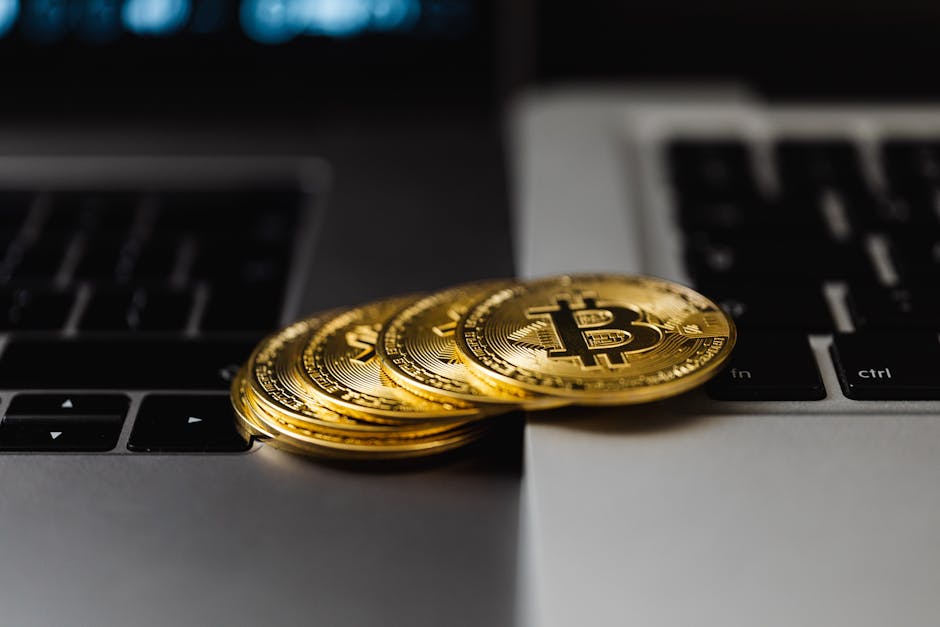
What are Cryptocurrency Wallet Hacks?
Cryptocurrency wallet hacks refer to unauthorized access and theft of digital assets held in cryptocurrency wallets. These incidents can be devastating for users, resulting in significant financial losses. Wallets can be categorized mainly into two types: hot wallets (connected to the internet) and cold wallets (offline storage). Hot wallets are generally more susceptible to hacks due to their online nature.
Why Are Wallet Hacks on the Rise?
The DeFi space has witnessed unprecedented growth, attracting both legitimate users and cybercriminals. As the volume of transactions increases, attackers have become more sophisticated, deploying various methods such as phishing attacks, malware, and exploiting smart contract vulnerabilities.
Historical Context of Wallet Hacks
Historically, high-profile hacks such as the Mt. Gox incident in 2014 and the more recent KuCoin hack in 2020 have set a precedent for security measures within the cryptocurrency space. These events underscore the importance of developing robust security protocols to safeguard user funds.
How is Solinex Contributing to the Investigation?
Solinex’s recent investigation aims to uncover the methods used in these hacks and identify vulnerabilities in existing wallet technologies. By analyzing case studies and collecting user reports, Solinex seeks to offer insights that could lead to improved security measures.
Key Components of the Solinex Investigation
- Data Collection: Gathering information on recent wallet hacks, including the types of wallets targeted and the methods used by hackers.
- User Education: Raising awareness about best practices in wallet security.
- Recommendations: Proposing security enhancements for wallet providers and users.
Market Context
As the DeFi market continues to expand, security concerns are becoming more pronounced. Investors are increasingly aware that risks associated with wallet hacks can lead to market volatility. In 2023 alone, several major incidents have caused fluctuations in cryptocurrency prices and impacted user confidence. This context creates a pressing need for more stringent security measures and regulation in the space.
Current Landscape of DeFi Security
The DeFi landscape is evolving, with several projects focusing on enhancing security protocols. Multi-signature wallets, decentralized insurance mechanisms, and more sophisticated verification methods are emerging as viable solutions. Furthermore, collaboration between wallet providers and cybersecurity firms is becoming a critical strategy to mitigate risks.
Impact on Investors
For investors, the implications of these hacks are multifaceted. A heightened focus on security can lead to:
- Increased Trust: Enhanced security measures may lead to greater confidence in using digital wallets, allowing the DeFi ecosystem to flourish.
- Market Reactions: Price reactions often follow significant hacks, as fear, uncertainty, and doubt (FUD) can lead to rapid sell-offs.
- Regulatory Scrutiny: As incidents increase, so does the likelihood of regulatory bodies stepping in to enforce standards aimed at protecting investors.
Future Predictions
Looking ahead, we can anticipate several developments in response to the ongoing challenge of wallet hacks:
- Regulatory Frameworks: Governments may introduce regulations that enforce minimum security standards for cryptocurrency wallets, impacting how companies operate in the DeFi space.
- Technological Innovation: We may see new technologies emerge, including AI-driven security solutions that can better detect and prevent fraud before it happens.
- User Empowerment: Increased focus on user education will likely empower individuals to take their own security measures seriously, reducing the risks associated with hacks.
Conclusion
The investigation by Solinex into cryptocurrency wallet hacks serves as a crucial reminder of the vulnerabilities present in the DeFi ecosystem. For users and investors alike, understanding these risks and advocating for improved security measures will be essential as the landscape of digital finance continues to evolve. Staying informed, adopting best practices, and supporting initiatives for enhanced security can help build a more resilient DeFi ecosystem.
Tags
- Cryptocurrency
- DeFi
- Wallet Security
- Cybersecurity
- Digital Assets