 Go Back

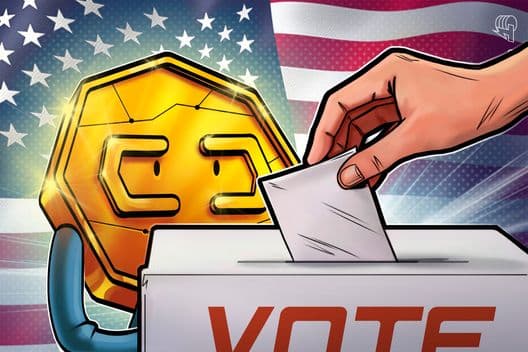
Crypto's Diminished Role in U.S. Elections: A Long-Term View
A recent poll by POLITICO has shed light on the attitudes of American voters concerning cryptocurrency policies as they prepare to cast their votes. Strikingly, it found that merely 4% of American adults consider cryptocurrency policies when making their electoral choices. This statistic raises important questions about the future of cryptocurrency regulation and the larger implications for the market.

Quick Take
| Key Takeaways |
|---|
| Only 4% of Americans prioritize crypto policy in voting. |
| Majority are wary of cryptocurrency and its implications. |
| Political candidates may neglect crypto issues in their campaigns. |
The Good, Bad, and Ugly of Crypto in U.S. Elections
The Good
- Increased Awareness: While only a small percentage prioritize crypto, awareness around blockchain technology and its potential benefits is growing. This can lead to more informed discussions in future elections.
- Potential for Future Growth: The very fact that a segment, no matter how small, is considering crypto policy indicates that there is a base for political candidates to tap into, potentially leading to growth in this area as public interest evolves.
- Innovative Solutions: As more people learn about crypto, the opportunities for innovative financial solutions to societal problems could gain traction, making their way into political discourse over time.
The Bad
- Political Apathy Towards Crypto: The low prioritization of crypto policies by voters suggests a lack of political will to address the pressing regulatory challenges facing the industry.
- Regulatory Uncertainty: Without strong voter interest, lawmakers may overlook the need for clear regulatory frameworks, which could hinder innovation and investment in the sector.
- Lagging Behind Global Trends: Other countries are embracing crypto more readily, and the U.S. risks falling behind if it does not adapt to changing global sentiments regarding digital currencies.
The Ugly
- Misconceptions and Fear: Widespread wariness of cryptocurrency among the general populace is often rooted in misconceptions. This can lead to policies that are overly restrictive or punitive, stifling innovation.
- Neglect of Emerging Technology: With such low voter interest, crypto issues may not see adequate representation in political platforms, leading to missed opportunities for economic growth and technological advancements.
- Potential for Abuse: The lack of a comprehensive regulatory approach could create scenarios where bad actors take advantage of the uncertain environment, further harming public trust in the industry.
Market Context
To understand the implications of these polling results, it is crucial to place them within a broader economic framework. The crypto market has been characterized by volatility, regulatory scrutiny, and an ongoing struggle for legitimacy. As of late 2023, the market has been witnessing increased institutional interest, but public sentiment remains tepid.
The economic backdrop, with inflation concerns and financial instability, may also contribute to the general reluctance to embrace cryptocurrencies. With many voters prioritizing more immediate economic issues like inflation, housing, and health care, it is not surprising that crypto has taken a backseat in electoral considerations.
Impact on Investors
For investors, these polling results carry significant weight. The apparent disinterest in cryptocurrency policies among voters may lead to a prolonged period of regulatory uncertainty. This can impact market dynamics in several ways:
- Investors may hesitate to enter or expand their positions due to perceived risks associated with an unclear regulatory environment.
- If political candidates view crypto as a low-priority issue, there may be less advocacy for favorable regulations, which can stifle market growth.
- Conversely, if public interest in crypto grows over time, this could lead to a surge in demand and investment, driven by increasingly informed voters and investors.
Conclusion
While the current polling results indicate a lack of prioritization for cryptocurrency issues among American voters, the landscape is likely to evolve. As awareness increases and more innovative solutions emerge, the crypto space could find itself gaining traction in political discussions. For now, investors must navigate a landscape marked by uncertainty, but one that may present new opportunities as public engagement with cryptocurrency grows in the future.
Final Thoughts
The intersection of politics and cryptocurrency is complex, and while current sentiments may not favor crypto, the potential for change exists. As we look toward future elections, a shift in voter awareness could transform how policymakers engage with this revolutionary technology. Time will tell whether cryptocurrency will rise in importance on the political agenda, but for now, the focus remains elsewhere.