 Go Back

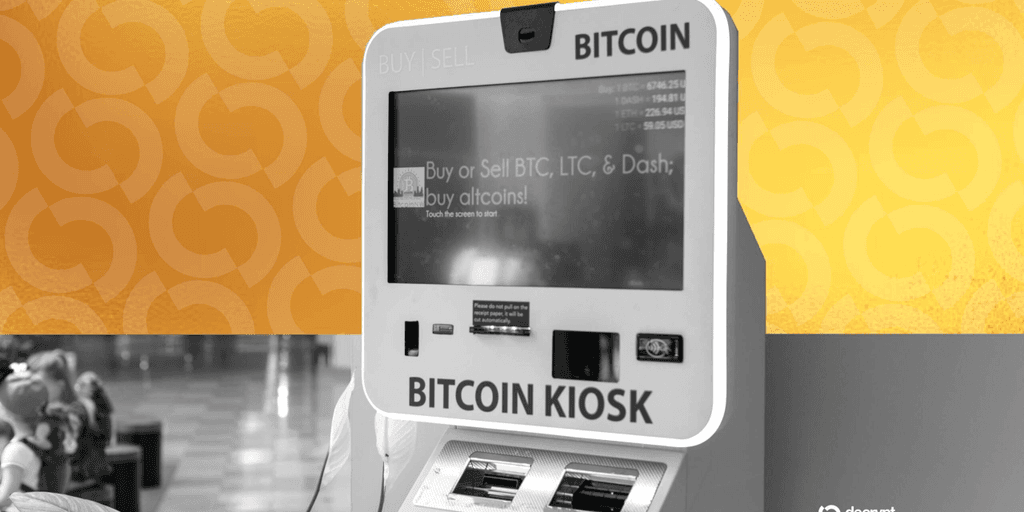
Delaware Moves to Ban 'Predatory' Bitcoin ATMs: What It Means
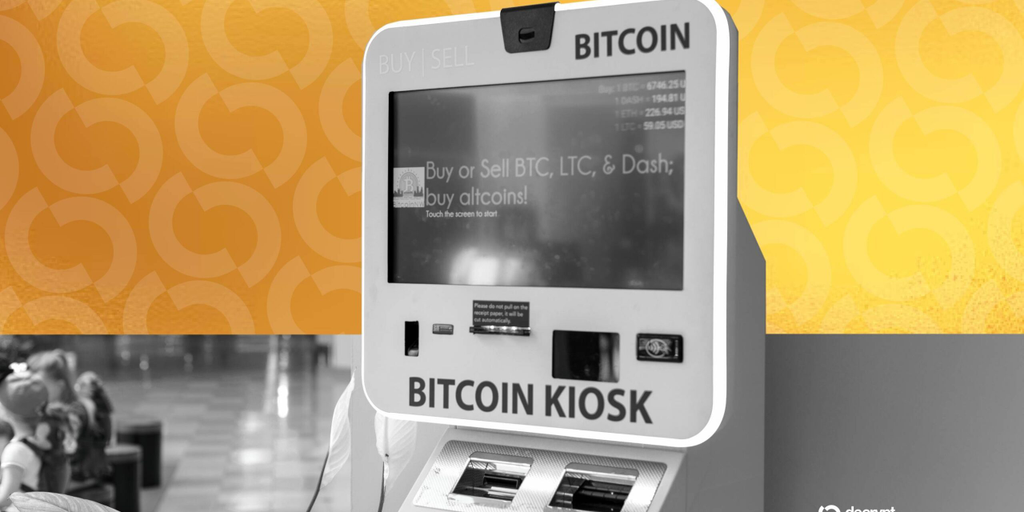
The Delaware legislature is taking a decisive step in regulating the cryptocurrency landscape by advancing a bill aimed at banning all cryptocurrency kiosks statewide, specifically focusing on what they term 'predatory' Bitcoin ATMs. This legislation mandates the physical removal of these machines within 90 days of enactment. In this blog post, we will explore the implications of this decision on the broader cryptocurrency market, the regulatory environment, and the potential impact on investors.
Quick Take
| Aspect | Details |
|---|---|
| Legislation | Bill to ban all cryptocurrency kiosks in Delaware |
| Reason | To prevent 'predatory' practices associated with Bitcoin ATMs |
| Removal Timeline | 90 days post-enactment |
| Broader Implications | Potential influence on other states, investor confidence, and cryptocurrency access |
Market Context
The move by Delaware to ban Bitcoin ATMs reflects a growing concern among lawmakers regarding the proliferation of cryptocurrency kiosks that often charge exorbitant fees and lack regulatory oversight. Predatory practices associated with some of these machines, such as inflated transaction fees and unclear terms of service, have raised red flags in numerous jurisdictions.
Historically, Bitcoin ATMs have served as an entry point for many individuals into the cryptocurrency ecosystem, particularly for those who may not have access to traditional banking services. However, as cryptocurrency adoption increases, so too does the scrutiny from regulators. Delaware's move could set a precedent for other states grappling with similar concerns, which may lead to a wave of regulations targeting cryptocurrency kiosks across the country.
SWOT Analysis
Strengths
- Consumer Protection: The primary strength of this legislation is the potential protection it offers consumers from predatory practices. Limiting access to high-fee Bitcoin ATMs may help safeguard inexperienced investors.
- Clarity in Regulation: This step signals a commitment by state lawmakers to create a clearer regulatory framework for cryptocurrencies, which could foster a more stable environment for legitimate operators.
Weaknesses
- Access Limitations: Banning Bitcoin ATMs may restrict access to cryptocurrency for individuals who rely on these kiosks for quick and anonymous transactions.
- Potential Negative Backlash: This regulatory move could alienate crypto enthusiasts and investors, potentially leading to a decline in local crypto engagement and innovation.
Opportunities
- Encouragement of Alternative Solutions: The legislation may push for the development of more consumer-friendly and regulated cryptocurrency trading platforms, potentially making crypto trading safer and more accessible.
- Increased Regulatory Clarity: A clearer regulatory landscape for cryptocurrencies can attract institutional investment, as firms often seek environments with defined compliance standards.
Threats
- Ripple Effects on Other States: If Delaware’s bill is successful, it may encourage similar legislation in other states, further complicating the nationwide regulatory landscape for cryptocurrencies.
- Market Volatility: Sudden regulatory changes can lead to market instability, which may deter potential investors and increase volatility in the cryptocurrency market.
Impact on Investors
For investors, the implications of Delaware's legislation could be multifaceted. On one hand, the ban on 'predatory' Bitcoin ATMs may result in a more secure investment environment by reducing the risk of exploitation. Investors may find comfort in knowing that measures are being taken to protect them from unfair practices. On the other hand, the removal of these kiosks could limit access to cryptocurrency for many potential investors, particularly those who may not have banking access or prefer the convenience of ATMs.
Furthermore, as regulations tighten, investors might experience increased scrutiny on their transactions, potentially leading to more reporting requirements and compliance measures. This shift could also impact how crypto businesses operate, influencing their strategies, revenue models, and customer engagement practices.
Conclusion
The advancement of the bill to ban Bitcoin ATMs in Delaware reflects a growing trend among regulators to impose stricter controls on the cryptocurrency ecosystem. While the intention is to protect consumers from predatory practices, it also raises significant questions about accessibility and the future of cryptocurrency adoption. As Delaware embarks on this regulatory path, it will be crucial for investors to remain informed and adaptable to the evolving landscape of cryptocurrency regulations.
Stay tuned for further updates on how these changes might influence the cryptocurrency market and investor behavior as states across the U.S. watch closely and potentially follow Delaware's lead.