 Go Back

Democrats Target Prediction Markets: A Macroeconomic Perspective
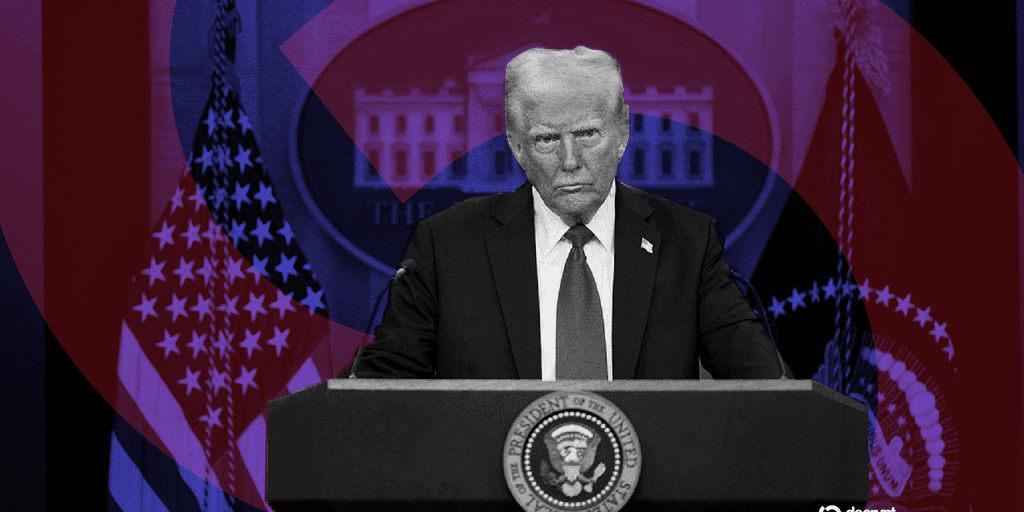
In a significant move, Democratic lawmakers have introduced legislation aimed at prohibiting prediction markets that are based on government actions or predetermined outcomes. This controversial proposal has sparked discussions around the implications of such markets, particularly in the context of insider trading and the potential influence of political figures, including allies of former President Donald Trump.
Quick Take
| Key Points | Details |
|---|---|
| Legislation Proposed | Democratic lawmakers seek to ban prediction markets tied to government actions. |
| Target of Legislation | Markets perceived to facilitate insider trading. |
| Impact on Investors | Potentially restricts investment avenues in speculative markets. |
| Political Context | Focus on preventing exploitation by political insiders. |
Market Context
Prediction markets have gained popularity as speculative tools where participants wager on the outcomes of future events. Traditionally, these markets provide a platform for aggregating opinions and information about potential outcomes, thereby functioning as barometers for public sentiment. However, the recent push by Democrats to regulate these platforms highlights an underlying tension between innovation and regulation in financial markets.
In this context, it is essential to examine the historical evolution of prediction markets. Initially, they thrived in a relatively unregulated environment, flourishing during election cycles and high-stakes events. Their ability to attract speculative investors has made them a profitable venture, yet it has also drawn scrutiny from regulators concerned about the potential for market manipulation and insider trading.
SWOT Analysis of the Legislation
Strengths
- Protection Against Insider Trading: By curbing prediction markets, the legislation could protect ordinary investors from potentially manipulative practices that could arise from insiders leveraging their political connections.
- Increased Market Integrity: A regulated environment may lead to more legitimate forecasting and prevent the misuse of prediction markets for speculative gains at the expense of the public.
Weaknesses
- Stifling Innovation: Prohibiting prediction markets could hinder the development of new financial instruments that could benefit the economy by providing additional avenues for investment and speculation.
- Market Reaction: The announcement of such legislation often leads to volatility in related markets, potentially causing short-term disruptions.
Opportunities
- Regulatory Framework Development: This initiative could pave the way for a new regulatory framework that balances innovation with consumer protection, allowing for the responsible growth of prediction markets.
- Increased Transparency: Regulation could encourage platforms to adopt more transparent practices, improving investor confidence and participation in the long run.
Threats
- Loss of Competitive Edge: If the U.S. imposes restrictive regulations on prediction markets, it risks losing its competitive edge to international markets that offer more freedom for speculation.
- Underground Markets: Strict regulations could drive these activities underground, where they may be harder to monitor and regulate, leading to greater risks for investors.
Impact on Investors
The introduction of legislation aimed at prediction markets could have profound implications for investors. For those who engage in speculative trading, this could mean the loss of a key avenue for investment. Prediction markets often allow for more dynamic forms of investing, where sentiment and information can be quickly absorbed into market prices. The potential ban could limit these opportunities, leading investors to seek alternatives that may not offer the same level of insight or engagement.
Furthermore, the implications of this legislation could extend beyond just prediction markets. As governments around the world look to regulate emerging financial technologies, the U.S. may find itself at a crossroads. Investors may need to adapt to a landscape where compliance and regulatory frameworks dictate the viability of certain investment strategies.
Conclusion
Democrats' proposal to regulate prediction markets reflects a broader concern about the intersection of politics and finance. While there are valid reasons for wanting to protect investors from potential exploitation, it’s crucial to consider the long-term ramifications of such regulations. The balance between safeguarding the integrity of financial markets and fostering innovation will be critical in shaping the future of investment opportunities.
The potential effects on macroeconomic conditions—particularly regarding speculative investments—could lead to a reevaluation of how we understand and engage with financial markets. Investors, regulators, and market participants alike will need to navigate this evolving landscape carefully, lest they sacrifice opportunities for the sake of security.